Shearing Metals: Material Traits Impacting Edge Finish
In the world of metal fabrication, shearing is a fundamental process that involves cutting sheet metal to size out of a larger stock. This technique is widely used due to its efficiency and precision. However, the quality of the edge finish is critical, as it can impact the overall integrity and appearance of the fabricated piece. This article delves into the various material traits that influence the edge finish during the shearing process, providing insights for metal fabrication company buyers to make informed decisions.
Understanding Shearing in Metal Fabrication
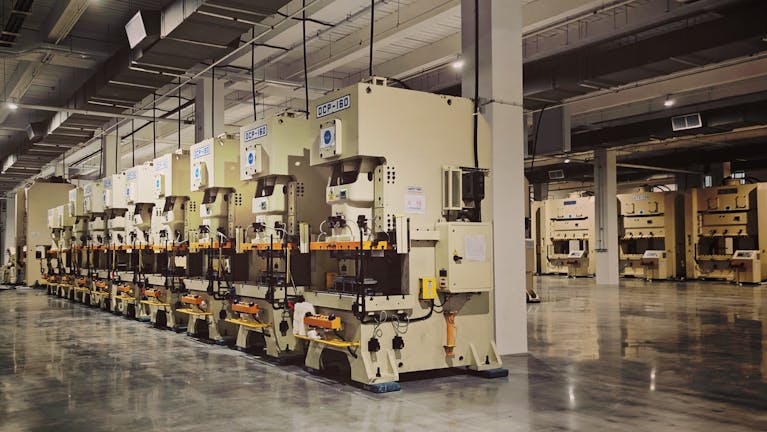
Shearing is a process that involves cutting metal without forming chips or using burning or melting. It is achieved by applying a great shearing force that causes the material to fail and separate. Key equipment used in this process includes brake presses, shears, and folders. The primary advantage of shearing is its ability to produce straight cuts quickly and efficiently, making it an essential operation in metal fabrication.
Why Edge Finish Matters in Metal Shearing
The edge finish is crucial for several reasons:
- Aesthetic appeal: A smooth, clean edge enhances the visual quality of the product.
- Functional integrity: Poor edge quality can lead to stress concentrations, leading to premature failure.
- Ease of assembly: Smooth edges facilitate easier handling and assembly of components.
Key Material Traits Affecting Edge Finish
Several material traits can significantly influence the quality of the edge finish during shearing:
- Hardness
- Ductility
- Thickness
- Grain structure
- Surface coatings
Understanding these traits helps in selecting the right materials and shearing techniques to achieve the desired edge quality.
How Hardness Influences Shearing Quality
Hardness refers to a material’s resistance to deformation. In metal shearing:
- Harder materials tend to produce cleaner cuts but may cause more wear on shearing tools.
- Softer materials might result in burrs or rough edges due to their tendency to deform rather than shear cleanly.
The Role of Ductility in Edge Smoothness
Ductility is the ability of a material to deform under tensile stress. Its impact on shearing includes:
- High ductility: Materials like aluminum can stretch and may lead to smoother edges.
- Low ductility: Brittle materials may crack or fracture, resulting in jagged edges.
Thickness: A Critical Factor in Shearing
The thickness of the material is a critical factor:
- Thin materials: Easier to shear with minimal force, often resulting in cleaner edges.
- Thick materials: Require more force, which can lead to rougher edges and increased tool wear.
Impact of Material Grain Structure on Edges
The grain structure of a material can affect how it shears:
- Fine-grained materials: Tend to shear more cleanly, producing smoother edges.
- Coarse-grained materials: May result in uneven shearing and rougher edges.
Surface Coatings: Do They Affect Shearing?
Surface coatings can impact the shearing process:
- Protective coatings: May need to be removed before shearing to prevent tool damage.
- Decorative coatings: Can affect the edge finish if not properly accounted for during the shearing process.
Choosing the Right Shearing Tools for the Job
Selecting the appropriate shearing tools is vital for achieving a quality edge finish:
- Tool material: High-speed steel or carbide tools can handle harder materials.
- Tool maintenance: Regular sharpening and maintenance ensure clean cuts and prolong tool life.
Tips for Achieving the Best Edge Finish
To achieve the best edge finish in metal shearing, consider the following tips:
- Material selection: Choose materials with suitable hardness and ductility.
- Tool selection: Use the right tools for the material and thickness.
- Regular maintenance: Keep tools sharp and well-maintained.
- Proper setup: Ensure the shearing machine is correctly set up for the material being processed.
Understanding the material traits that impact edge finish in shearing is crucial for achieving high-quality results in metal fabrication. By considering factors such as hardness, ductility, and thickness, buyers can make informed decisions about the materials and tools they use. For more insights and resources on metal fabrication, visit Shearing Metals: Material Traits Impacting Edge Finish.
Shearing is a crucial process in metal fabrication, known for its ability to efficiently and precisely cut sheet metal from larger stock. The quality of the edge finish is a vital consideration, affecting both the structural integrity and the visual appeal of the finished product. The article “Shearing Metals: Material Traits Impacting Edge Finish” explores how different material characteristics can influence the outcome of the shearing process. By understanding these material traits, buyers and professionals in the metal fabrication industry can make better-informed decisions, ensuring optimal results in their projects.
Maintenance Tips
- Regularly inspect the shearing blades for wear and damage to maintain precise cuts.
- Lubricate moving parts of the shearing machine to prevent rust and ensure smooth operation.
- Calibrate the shearing machine periodically to maintain accuracy in cuts.
Typical Cost Ranges
The cost of shearing machines can vary widely based on specifications and capabilities. Entry-level machines may start around $10,000, while advanced models with enhanced features can exceed $150,000.
Performance Specs
- Cutting Thickness: Ranges from 0.5mm to 25mm for different machine models.
- Cutting Length: Standard machines can handle up to 4000mm.
- Cutting Speed: Varies between 10-50 strokes per minute depending on the material and machine settings.
Buying Advice
When purchasing a shearing machine, consider the types of materials you will be working with most frequently. Ensure the machine’s specifications match your needs, particularly in terms of cutting thickness and length. Additionally, evaluate the machine’s durability and after-sales service options.
FAQs
- What is the primary benefit of shearing in metal fabrication? Shearing offers high efficiency and precision, making it ideal for cutting large sheets of metal into specified sizes without creating chips.
- How does material hardness affect the edge finish? Harder materials can lead to rougher edges due to difficulty in cutting, while softer materials typically yield smoother finishes.
- Can shearing be used on all types of metals? Shearing can be used on most metals, but the machine settings may need to be adjusted based on the metal’s properties.
- What role does blade sharpness play in edge quality? Sharp blades are crucial for achieving clean and precise cuts, directly impacting the quality of the edge finish.
- Is it possible to shear metals with coatings? Yes, but special care must be taken to avoid damaging the coating during the shearing process.
- What safety precautions should be taken when operating a shearing machine? Operators should wear protective gear, ensure the machine is properly maintained, and follow all safety protocols to prevent accidents.
Shearing Metals: Material Traits Impacting Edge Finish