Driving Forces in Advanced Manufacturing Trends
In the ever-evolving landscape of metal fabrication, staying ahead of the curve is crucial for companies looking to maintain a competitive edge. As technology advances and consumer demands shift, several key trends are shaping the future of the industry. From automation to sustainability, these driving forces are transforming how metal fabrication companies operate and meet the needs of their buyers. In this article, we’ll explore the rise of automation, the embrace of smart technologies, the push for sustainability, and the growing demand for customization in advanced manufacturing.
The Rise of Automation in Metal Fabrication
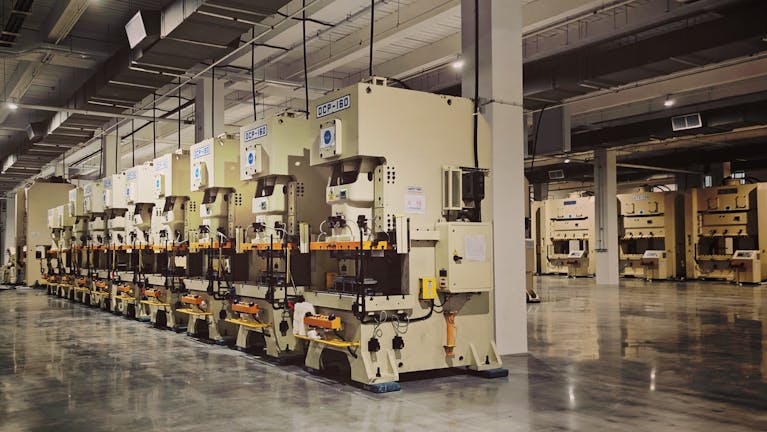
Automation is revolutionizing the metal fabrication industry, bringing about significant changes in how companies operate. With the integration of automated systems, tasks that were once labor-intensive and time-consuming are now performed with greater speed and precision. Brake presses, shears, and other machinery are increasingly being equipped with automated features, allowing for more efficient production processes. This shift not only reduces the need for manual labor but also minimizes human error, leading to higher quality outputs.
The benefits of automation extend beyond just efficiency. By adopting automated systems, metal fabrication companies can achieve greater consistency in their products. This is particularly important for buyers who require precision and uniformity in their components. Automated machines can perform repetitive tasks with exacting accuracy, ensuring that each piece meets the required specifications. Additionally, automation allows for better resource management, as machines can be programmed to optimize material usage, reducing waste and lowering costs.
However, the transition to automation is not without its challenges. Companies must invest in new technologies and train their workforce to operate and maintain these advanced systems. Despite these hurdles, the long-term benefits of automation make it a worthwhile investment for metal fabrication companies looking to stay competitive in a rapidly changing market.
Embracing Smart Technologies for Efficiency
Smart technologies are paving the way for a new era of efficiency in metal fabrication. By integrating Internet of Things (IoT) devices and sensors into their operations, companies can gather real-time data on machine performance, production rates, and material usage. This data-driven approach enables manufacturers to make informed decisions, optimize their processes, and quickly address any issues that arise.
One of the key advantages of smart technologies is predictive maintenance. By continuously monitoring equipment, companies can identify potential problems before they lead to costly breakdowns. This proactive approach not only reduces downtime but also extends the lifespan of machinery, providing a better return on investment. For buyers, this means more reliable delivery schedules and higher quality products, as manufacturers can maintain optimal production conditions.
Moreover, smart technologies facilitate better communication and collaboration across the supply chain. With cloud-based platforms and digital tools, metal fabrication companies can seamlessly share information with suppliers and buyers, improving transparency and fostering stronger partnerships. As the industry continues to embrace these innovations, the potential for increased efficiency and productivity is immense.
Sustainability: A Key Trend in Manufacturing
Sustainability has become a central focus for metal fabrication companies as they strive to reduce their environmental impact. With growing awareness of climate change and resource depletion, manufacturers are under pressure to adopt greener practices. This includes using eco-friendly materials, minimizing waste, and implementing energy-efficient processes throughout their operations.
One way metal fabrication companies are addressing sustainability is by investing in renewable energy sources. By harnessing solar or wind power, manufacturers can reduce their reliance on fossil fuels and lower their carbon footprint. Additionally, advancements in recycling technologies allow companies to repurpose scrap metal and other materials, further reducing waste and conserving resources.
For buyers, sustainability is increasingly becoming a deciding factor when choosing suppliers. Companies that prioritize eco-friendly practices not only contribute to a healthier planet but also enhance their reputation and appeal to environmentally conscious consumers. As the demand for sustainable products continues to grow, metal fabrication companies that embrace these practices will be better positioned to meet the needs of their buyers.
Customization: Meeting Unique Buyer Needs
In today’s market, customization is more important than ever as buyers seek products tailored to their specific requirements. Metal fabrication companies are responding to this demand by offering a wide range of customizable options, from design modifications to bespoke manufacturing solutions. This trend is driven by the need for differentiation and the desire to provide added value to customers.
Advanced manufacturing technologies, such as 3D printing and CNC machining, have made customization more accessible and cost-effective. These technologies allow for greater flexibility in design and production, enabling manufacturers to create complex and unique components with ease. For buyers, this means they can obtain products that perfectly match their specifications, enhancing the functionality and performance of their end products.
Customization also fosters stronger relationships between metal fabrication companies and their buyers. By working closely with customers to understand their needs and preferences, manufacturers can deliver personalized solutions that exceed expectations. This collaborative approach not only builds trust but also encourages repeat business and long-term partnerships.
As the metal fabrication industry continues to evolve, companies must adapt to the driving forces shaping advanced manufacturing trends. Automation, smart technologies, sustainability, and customization are key areas that will define the future of the industry. By embracing these trends, metal fabrication companies can enhance their operations, meet the changing demands of their buyers, and secure a competitive advantage in the market. For more insights into these trends, visit Driving Forces in Advanced Manufacturing Trends.
In the dynamic field of metal fabrication, staying competitive necessitates keeping up with advanced manufacturing trends. The industry is experiencing significant transformations driven by automation, smart technologies, sustainability, and customization. Automation is streamlining processes and enhancing precision, while smart technologies are enabling real-time monitoring and data analysis. Sustainability efforts are focusing on reducing environmental impact, and the demand for customized solutions is increasing as consumer preferences evolve. These trends are reshaping how metal fabrication companies operate, pushing them to innovate and adapt to remain relevant in a rapidly changing market.
Maintenance Tips
- Regularly inspect automation equipment for wear and tear to prevent breakdowns.
- Keep software systems updated to ensure optimal performance of smart technologies.
- Implement a routine maintenance schedule to extend the lifespan of machinery.
Typical Cost Ranges
The cost of implementing advanced manufacturing technologies in metal fabrication can vary widely. Basic automation systems may start at $50,000, while comprehensive smart technology integrations can exceed $500,000 depending on the scale and complexity.
Performance Specs
Modern metal fabrication machinery can achieve high precision with tolerances of ±0.01 mm. Automation systems can increase production speed by up to 30%, while smart technologies offer real-time data analytics for enhanced decision-making.
Buying Advice
- Assess your production needs and choose technologies that align with your business goals.
- Consider the long-term cost savings of investing in sustainable technologies.
- Look for machinery with modular designs to allow for future upgrades and scalability.
FAQs
What is the primary benefit of automation in metal fabrication?
Automation primarily enhances efficiency and accuracy, reducing the need for manual intervention and minimizing errors.
How do smart technologies improve metal fabrication processes?
Smart technologies enable real-time monitoring and data analysis, allowing for quick adjustments and informed decision-making.
Why is sustainability important in metal fabrication?
Sustainability is crucial for reducing environmental impact and meeting regulatory requirements, which can also enhance brand reputation and appeal to eco-conscious consumers.
How can customization benefit metal fabrication companies?
Customization allows companies to meet specific customer demands, creating unique products that can command higher prices and foster customer loyalty.
What challenges might companies face when adopting these trends?
Initial costs, workforce training, and integrating new systems with existing processes are common challenges in adopting advanced manufacturing trends.
Driving Forces in Advanced Manufacturing Trends