Unlock the Power of Hydraulics: Your Essential Guide
In the world of engineering and machinery, hydraulics stands as a cornerstone technology that has transformed industries and powered innovation. From construction sites to manufacturing plants, hydraulic systems are integral to modern engineering solutions. This guide will delve into the untapped potential of hydraulics, revealing how you can leverage this powerful technology to elevate your projects and operations. Whether you’re an engineer, a project manager, or simply curious about the capabilities of hydraulics, this essential guide will equip you with the knowledge to harness its full potential.
Discover the Hidden Potential of Hydraulics
Hydraulic systems operate on the simple principle of using fluid pressure to generate force and motion, yet their applications are vast and varied. From heavy machinery like excavators and cranes to precision equipment in manufacturing, hydraulics can be tailored to meet the demands of diverse industries. The hidden potential of hydraulics lies in their ability to deliver consistent power and control, which can be customized for a wide range of applications. By understanding the fundamentals of hydraulic systems, you can unlock new possibilities for innovation and efficiency in your projects.
Moreover, the adaptability of hydraulic systems makes them an ideal choice for complex engineering challenges. Whether you need to lift, move, or manipulate heavy loads, hydraulics provide a reliable and efficient solution. Their robustness and durability ensure that they can withstand the rigors of demanding environments, making them indispensable in both large-scale industrial operations and smaller-scale projects. By exploring the hidden potential of hydraulics, you can discover new ways to enhance your operations and achieve superior results.
Transform Your Projects with Hydraulic Solutions
Integrating hydraulic solutions into your projects can lead to transformative results, offering unparalleled power and precision. The ability to control force and motion with such accuracy allows engineers to design systems that are not only efficient but also highly effective in achieving desired outcomes. Whether you’re working on construction, manufacturing, or any other industry, hydraulic solutions can be customized to meet your specific needs, ensuring that your projects are completed with the highest level of quality and efficiency.
Furthermore, the versatility of hydraulic systems allows for seamless integration into existing operations. With advancements in technology, modern hydraulic systems are more compact and efficient than ever before, enabling them to be incorporated into a wide range of applications without significant modifications. By adopting hydraulic solutions, you can transform your projects from ordinary to extraordinary, achieving new levels of productivity and success.
Why Hydraulics Are the Future of Engineering
In an era where efficiency and sustainability are paramount, hydraulics have emerged as a key player in the future of engineering. Their ability to deliver high power output with minimal energy consumption makes them an environmentally friendly option compared to traditional mechanical systems. As industries strive to reduce their carbon footprint and operate more sustainably, hydraulic systems offer a viable solution that aligns with these goals while maintaining high performance and reliability.
Additionally, the future of engineering is increasingly focused on automation and precision, areas where hydraulics excel. The integration of advanced control systems with hydraulic technology allows for precise manipulation of force and motion, enabling engineers to push the boundaries of what is possible. As technology continues to evolve, hydraulics will remain at the forefront of engineering innovation, driving progress and shaping the future of industries worldwide.
Boost Efficiency with Hydraulic Innovations
Hydraulic innovations have revolutionized the way industries operate, offering significant improvements in efficiency and productivity. By leveraging the latest advancements in hydraulic technology, businesses can optimize their operations, reduce downtime, and achieve greater output with fewer resources. These innovations range from more efficient hydraulic pumps and motors to advanced control systems that enhance precision and responsiveness.
Moreover, the integration of smart technology with hydraulic systems has opened new avenues for efficiency gains. Real-time monitoring and diagnostics allow for predictive maintenance, reducing the risk of unexpected failures and extending the lifespan of equipment. By embracing hydraulic innovations, companies can not only boost their efficiency but also gain a competitive edge in their respective markets, positioning themselves as leaders in their industry.
Unleash Unmatched Power and Control Today
The power and control offered by hydraulic systems are unmatched, providing the capability to handle even the most demanding tasks with ease. Whether it’s lifting heavy loads, operating complex machinery, or executing precise movements, hydraulics deliver the performance needed to get the job done. This level of power and control is essential for industries that require reliable and robust solutions to meet their operational demands.
By choosing hydraulic systems, you can unleash this power and control in your projects, ensuring that you have the tools necessary to achieve your goals. The confidence that comes with using a proven technology like hydraulics allows you to take on ambitious projects and push the limits of what is possible. Embrace the power of hydraulics today and experience the difference it can make in your operations.
Start Your Hydraulic Journey with Expert Tips
Embarking on your hydraulic journey can be daunting, but with the right guidance and expertise, you can navigate the complexities with ease. Start by familiarizing yourself with the basic components and principles of hydraulic systems, ensuring that you have a solid foundation of knowledge. Consulting with experts in the field can provide valuable insights and recommendations tailored to your specific needs, helping you make informed decisions about the best hydraulic solutions for your projects.
Additionally, staying updated on the latest trends and advancements in hydraulic technology will ensure that you remain at the forefront of innovation. Attend workshops, seminars, and training sessions to expand your knowledge and skills, and network with other professionals to exchange ideas and experiences. By taking these steps, you can confidently embark on your hydraulic journey, equipped with the tools and knowledge to succeed.
The power of hydraulics is undeniable, offering unmatched capabilities that can transform industries and drive progress. By understanding and harnessing this technology, you can unlock new potential in your projects, boost efficiency, and achieve superior results. As you embark on your hydraulic journey, remember to leverage expert advice and stay informed about the latest innovations to maximize the benefits of hydraulic systems. Embrace the future of engineering with hydraulics and elevate your operations to new heights.
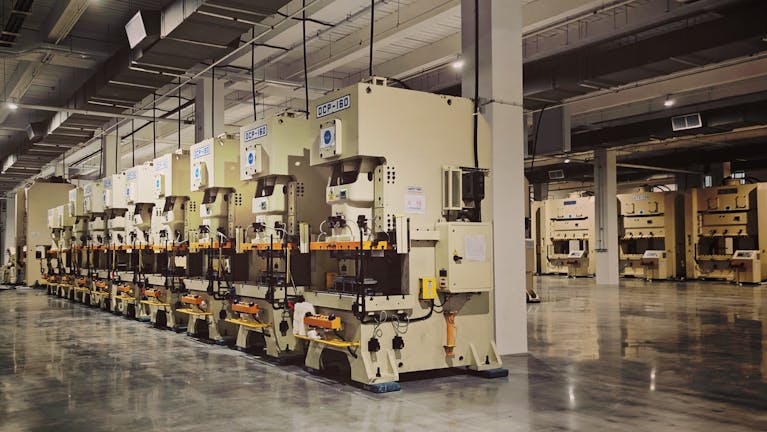
Hydraulics is a pivotal technology in the realm of engineering and machinery, serving as a foundational element that has revolutionized industries and fueled innovation. Predominantly featured in metal fabrication, hydraulic systems are essential to modern engineering solutions, extensively used across construction sites and manufacturing plants. This guide explores the vast potential of hydraulics, offering insights into leveraging this powerful technology to enhance projects and operations. Whether you are an engineer, a project manager, or someone intrigued by hydraulic capabilities, this essential guide provides the knowledge needed to fully exploit its potential.
Maintenance Tips
- Regularly check for leaks in hydraulic lines and connections to prevent fluid loss and system inefficiency.
- Ensure that hydraulic fluid levels and quality are maintained for optimal operation.
- Inspect and clean filters regularly to prevent contamination and maintain fluid purity.
- Schedule routine system checks to identify and rectify any wear or damage to components.
Typical Cost Ranges
The cost of hydraulic systems can vary significantly based on size, complexity, and application. Basic systems for small-scale applications can start from $1,000, while advanced industrial setups may exceed $100,000.
Performance Specifications
- Pressure Range: Typical systems operate between 1,000 PSI to 5,000 PSI.
- Flow Rate: Systems can offer flow rates from 1 GPM to over 100 GPM, depending on the scale and application.
- Temperature Range: Hydraulics can function effectively within a temperature range of -20°F to 250°F, depending on fluid type and system design.
Buying Advice
- Consider the specific application needs—pressure and flow requirements are crucial.
- Evaluate the reliability and reputation of manufacturers and suppliers.
- Assess the availability of spare parts and after-sales support in your region.
- Factor in the long-term maintenance costs when selecting a system.
FAQs
What is hydraulics? Hydraulics is a technology that uses fluid power to perform work. It involves the use of liquids to transmit force and energy.
Where are hydraulic systems commonly used? Hydraulic systems are widely used in construction, manufacturing, automotive, and aviation industries, among others.
What are the advantages of hydraulic systems? They offer high power density, precise control, and can transmit force over long distances with minimal loss.
How do I choose the right hydraulic fluid? Consider factors such as operating temperature, system pressure, and compatibility with seals and materials.
Can hydraulic systems be customized? Yes, hydraulic systems can be tailored to meet specific application requirements and operational needs.
What are common signs of hydraulic system failures? Symptoms include erratic operation, unusual noises, overheating, and reduced performance.
How often should hydraulic systems be serviced? Regular maintenance intervals vary, but a general recommendation is every 500 to 1,000 operating hours.
What safety precautions should be taken with hydraulic systems? Always follow manufacturer guidelines, use appropriate personal protective equipment, and ensure proper training for operators.
Unlock the Power of Hydraulics: Your Essential Guide