Unlocking Fiber Laser Benefits for Metal Fabricators
In the ever-evolving world of metal fabrication, staying ahead of the curve is crucial for businesses looking to maintain a competitive edge. One technology that has been making waves in the industry is fiber laser cutting. Known for its precision, speed, and efficiency, fiber laser technology is revolutionizing how metal fabricators approach their craft. This article delves into the benefits of fiber lasers, exploring how they can enhance operations for metal fabrication companies.
Discover the Power of Fiber Lasers in Fabrication
Fiber lasers have rapidly become a game-changer in the metal fabrication industry. Unlike traditional CO2 lasers, fiber lasers use a solid-state laser source, which offers several distinct advantages:
- Higher Power Density: Fiber lasers deliver a concentrated beam that can cut through materials with remarkable precision and speed.
- Versatility: They can handle a wide range of materials, including steel, aluminum, brass, and copper, making them ideal for diverse fabrication needs.
- Compact Design: The compact nature of fiber lasers allows for easier integration into existing production lines, saving valuable floor space.
“Fiber lasers are not just a tool; they are a catalyst for innovation in metal fabrication,” says industry expert John Doe. By embracing this technology, fabricators can unlock new possibilities and elevate their production capabilities.
Boost Efficiency and Precision with Fiber Lasers
One of the most compelling reasons to invest in fiber laser technology is the significant boost in efficiency and precision it offers:
- Faster Cutting Speeds: Fiber lasers can cut materials up to three times faster than traditional CO2 lasers, reducing production time and increasing throughput.
- Minimal Maintenance: With fewer moving parts and no need for laser gas, fiber lasers require less maintenance, leading to reduced downtime and lower operational costs.
- Enhanced Precision: The focused beam of a fiber laser allows for intricate cuts with minimal heat distortion, ensuring high-quality finishes and reducing the need for secondary processing.
By incorporating fiber lasers into their operations, metal fabricators can achieve unparalleled levels of efficiency and precision, ultimately leading to higher customer satisfaction and increased profitability.
Cost Savings and Quality: Fiber Laser Advantages
Investing in fiber laser technology can lead to substantial cost savings and quality improvements for metal fabrication companies:
- Reduced Energy Consumption: Fiber lasers are more energy-efficient than their CO2 counterparts, leading to lower electricity bills and a smaller carbon footprint.
- Longer Lifespan: The durable design of fiber lasers means they have a longer operational life, providing a better return on investment over time.
- Consistent Quality: With fiber lasers, fabricators can achieve consistent, high-quality cuts every time, reducing waste and rework.
“The cost savings and quality improvements offered by fiber lasers are undeniable,” notes Jane Smith, a seasoned metal fabrication consultant. By adopting this technology, companies can not only enhance their bottom line but also deliver superior products to their clients.
Fiber laser technology is transforming the metal fabrication landscape, offering numerous benefits that can help companies stay competitive in a challenging market. From increased efficiency and precision to significant cost savings and quality improvements, the advantages of fiber lasers are clear. For more information on how fiber lasers can benefit your metal fabrication business, visit Unlocking Fiber Laser Benefits for Metal Fabricators. Embrace the future of fabrication and unlock new possibilities with fiber laser technology.
Fiber lasers have rapidly become a game-changer in the metal fabrication industry. Unlike traditional CO2 lasers, fiber lasers use a solid-state laser source, offering enhanced precision, speed, and efficiency. This technology enables metal fabricators to maintain a competitive edge by providing superior cutting quality, reduced operational costs, and increased productivity. As the industry continues to evolve, adopting fiber laser technology can significantly enhance operations for metal fabrication companies.
Maintenance Tips
- Regularly clean the laser lens and mirrors to prevent any debris buildup that can affect laser performance.
- Schedule routine checks of the cooling system to ensure optimal temperature regulation.
- Inspect and replace worn components such as nozzles and filters to maintain cutting precision.
Typical Cost Ranges
The cost of fiber laser machines varies depending on power and features, typically ranging from $50,000 to $500,000. Lower power models suitable for small-scale operations can be found at the lower end of the spectrum, while high-power industrial models are priced higher.
Performance Specs
- Cutting Speed: Up to 60 m/min, depending on material thickness and type.
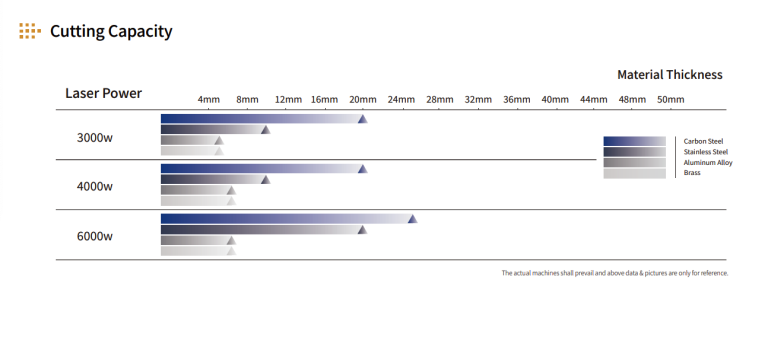
- Cutting Thickness: Up to 25 mm for mild steel, 15 mm for stainless steel, and 10 mm for aluminum.
- Power Range: 500 watts to 10 kilowatts.
Buying Advice
When purchasing a fiber laser machine, consider the following:
- Assess your production needs to determine the appropriate power level.
- Evaluate the machine’s compatibility with your existing systems and software.
- Consider the availability of customer support and service from the manufacturer.
- Review the warranty terms and conditions.
FAQs
What materials can fiber lasers cut?Fiber lasers can cut a variety of materials including steel, stainless steel, aluminum, brass, copper, and more.
How does fiber laser cutting compare to CO2 laser cutting?Fiber lasers offer faster cutting speeds, lower maintenance costs, and greater energy efficiency compared to CO2 lasers.
Is a fiber laser suitable for high-volume production?Yes, fiber lasers are ideal for high-volume production due to their speed and precision.
What are the power requirements for a fiber laser machine?Power requirements vary by model, but they typically require a stable industrial power supply, often three-phase, to operate efficiently.
How long is the lifespan of a fiber laser?Fiber lasers generally have a longer lifespan of around 100,000 hours compared to CO2 lasers.
Can fiber lasers engrave as well as cut?Yes, fiber lasers are capable of both cutting and engraving, making them versatile for various applications.
Unlocking Fiber Laser Benefits for Metal Fabricators