Unlocking Efficiency: Metal Fabrication Equipment Perks
In the fast-paced world of metal fabrication, staying ahead of the competition requires more than just skilled labor and raw materials. It demands cutting-edge equipment that can unlock new levels of efficiency and productivity. For buyers in the metal fabrication industry, understanding the perks of modern equipment like brake presses, shears, folders, and roll formers is crucial. This article delves into the latest advancements in metal fabrication technology, explores how advanced equipment can boost productivity, and discusses how smart tools can maximize your return on investment.
Discover the Latest in Metal Fabrication Tech
The metal fabrication industry is constantly evolving, with new technologies emerging to enhance precision, speed, and versatility. Here are some of the latest trends:
-
Automated Systems: Automation is revolutionizing metal fabrication by reducing manual labor and increasing accuracy. Automated brake presses and shears can handle complex tasks with minimal human intervention, leading to faster production cycles.
-
CNC Technology: Computer Numerical Control (CNC) machines have become a staple in modern fabrication shops. They offer unparalleled precision and repeatability, allowing for intricate designs and consistent quality.
-
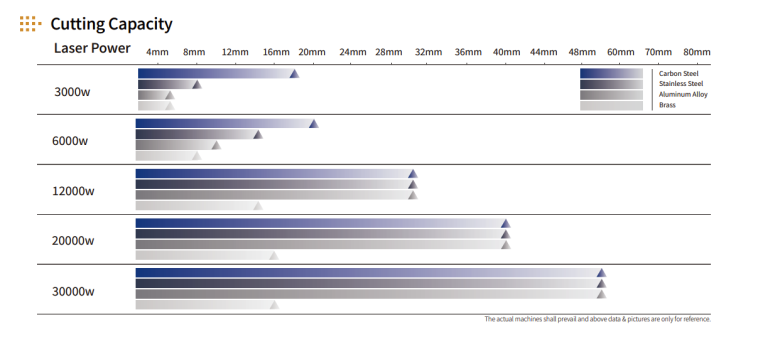
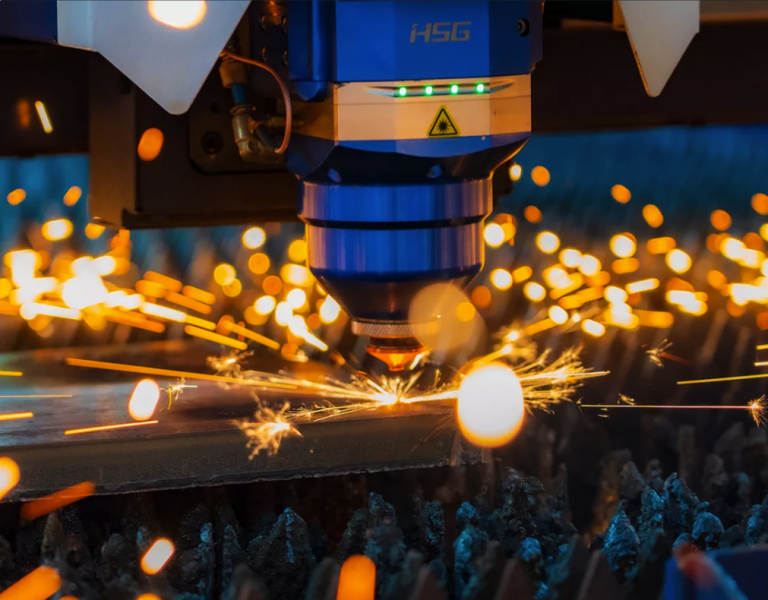
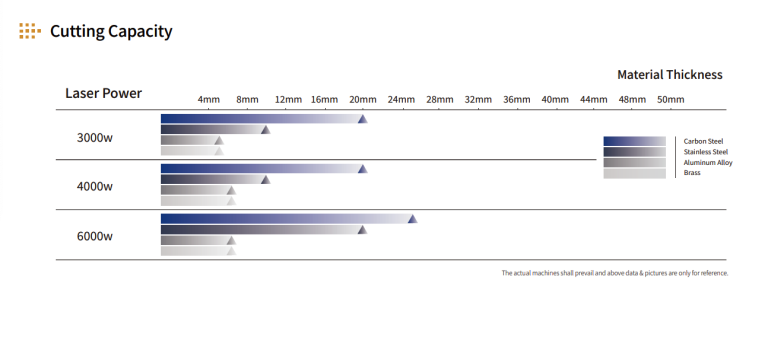
Laser Cutting: Laser cutting technology provides clean, precise cuts with minimal waste. It’s ideal for complex shapes and offers a high degree of flexibility in material usage.
-
3D Printing: While traditionally associated with plastics, 3D printing is making inroads into metal fabrication. It allows for rapid prototyping and the creation of complex geometries that would be difficult or impossible with traditional methods.
“Embracing these technologies not only enhances your shop’s capabilities but also positions you as a leader in the industry.”
Boost Productivity with Advanced Equipment
Investing in advanced metal fabrication equipment can significantly boost productivity. Here’s how:
-
Speed and Efficiency: Modern machines are designed to operate at higher speeds without compromising on quality. This means more parts can be produced in less time.
-
Reduced Downtime: Advanced equipment often comes with predictive maintenance features that alert operators to potential issues before they lead to downtime. This proactive approach keeps the production line running smoothly.
-
Enhanced Flexibility: Today’s equipment is versatile, capable of handling a wide range of materials and thicknesses. This flexibility allows for quick adjustments to meet changing customer demands.
-
Improved Safety: Newer machines are equipped with safety features that protect operators, reducing the risk of accidents and enhancing workplace safety.
“By upgrading to advanced equipment, you can streamline operations and focus on what matters most: delivering high-quality products to your customers.”
Maximize ROI with Smart Fabrication Tools
Maximizing return on investment (ROI) is a priority for any business, and smart fabrication tools can help achieve this goal. Consider the following:
-
Energy Efficiency: Modern equipment is designed to be more energy-efficient, reducing operational costs and minimizing environmental impact.
-
Data-Driven Insights: Many machines now come with integrated software that provides valuable insights into production metrics. This data can be used to optimize processes and make informed decisions.
-
Scalability: As your business grows, your equipment should be able to scale with it. Investing in modular systems allows for easy upgrades and expansions.
-
Cost Savings: While the initial investment in advanced equipment may be higher, the long-term savings in labor, materials, and maintenance can lead to a substantial ROI.
“Smart tools not only enhance your current operations but also future-proof your business against industry changes.”
For metal fabrication companies looking to stay competitive, investing in the latest equipment is a smart move. By unlocking efficiency through advanced technology, boosting productivity with modern machines, and maximizing ROI with smart tools, businesses can thrive in today’s market. For more insights and information on how to enhance your operations, check out Unlocking Efficiency: Metal Fabrication Equipment Perks.
In the dynamic world of metal fabrication, efficiency and productivity hinge on the adoption of advanced equipment. To stay competitive, it is essential to leverage cutting-edge machinery such as brake presses, shears, folders, and roll formers. These modern tools not only enhance productivity but also optimize return on investment by reducing waste and increasing precision. This overview explores the latest advancements in metal fabrication technology and highlights how smart tools can significantly impact your operational success.
Maintenance Tips
- Regularly inspect and lubricate moving parts to prevent wear and tear.
- Ensure all safety guards and emergency stops are functioning properly.
- Calibrate equipment periodically to maintain precision and accuracy.
- Replace worn-out components promptly to avoid operational downtimes.
Typical Cost Ranges
The cost of metal fabrication equipment can vary widely based on the type and technology:
- Brake Presses: $50,000 – $300,000
- Shears: $10,000 – $100,000
- Folders: $25,000 – $150,000
- Roll Formers: $70,000 – $500,000
Performance Specs
- Brake Presses: Bending force ranging from 50 to 300 tons.
- Shears: Cutting thickness up to 1 inch.
- Folders: Folding length up to 20 feet.
- Roll Formers: Speed of up to 100 feet per minute.
Buying Advice
When purchasing metal fabrication equipment, consider the following:
- Evaluate your production volume and select equipment that matches your capacity needs.
- Consider the integration capabilities with existing systems and software.
- Look for energy-efficient models to reduce operational costs.
- Prioritize equipment with robust customer support and service agreements.
FAQs
What are the benefits of using modern metal fabrication equipment?
Modern equipment offers increased precision, faster production speeds, and reduced material wastage, leading to higher efficiency and cost savings.
How often should metal fabrication equipment be maintained?
Regular maintenance should be performed at least quarterly, with more frequent checks depending on usage intensity.
Can advanced metal fabrication tools be integrated with existing systems?
Yes, most modern equipment can be integrated with current systems, especially with the right software and interfaces.
What safety features should I look for in metal fabrication equipment?
Look for equipment with emergency stop buttons, safety guards, and automated shutdown features to prevent accidents.
Is training required for operating advanced metal fabrication equipment?
Yes, operators should receive proper training to safely and efficiently use advanced machinery.
How do I determine the right size of equipment for my operations?
Assess your production needs and consult with equipment suppliers to determine the best size and capacity for your operations.
Unlocking Efficiency: Metal Fabrication Equipment Perks