Stainless Steel Fabrication Techniques for Accurate Cutting, Bending, and Welding Without Distortion
Delivering excellence in stainless steel fabrication requires both a sharp eye for detail and a steadfast commitment to quality. As a shop production or operations manager, your work ethic sets the tone on your floor; technical credibility drives both productivity and profit. Real-world fabrication challenges, from distortion to inefficiencies, don’t just demand experience—they require smart equipment choices, optimal process flows, and continual process improvement. The following guide breaks down essential stainless steel fabrication techniques with a focus on accurate cutting, bending, and welding, so you can deliver precision, minimize costly rework, and stay ahead of production deadlines.
Understanding Stainless Steel Properties for Precision Fabrication
Stainless steel stands apart for its corrosion resistance, strength, and distinctive finish, but these same traits pose unique fabrication challenges. For instance, its low thermal conductivity and high expansion rate compared to carbon steel make it much more susceptible to heat-induced warping. Surface scratching or work hardening during handling can also compromise both appearance and structural integrity, making gentle handling, clean working environments, and proper lubrication essential.
When the project specifications shift between grades or thicknesses, your familiarity with properties like yield strength and ductility pays dividends. Knowing that austenitic grades (like 304 and 316) are prone to distortion from heat helps you tailor your workflows for the most consistent results. This level of technical expertise is a key sales differentiator when customers seek a fabricator who can reliably hit tight tolerances.
Selecting Tools and Equipment for Distortion-Free Cutting
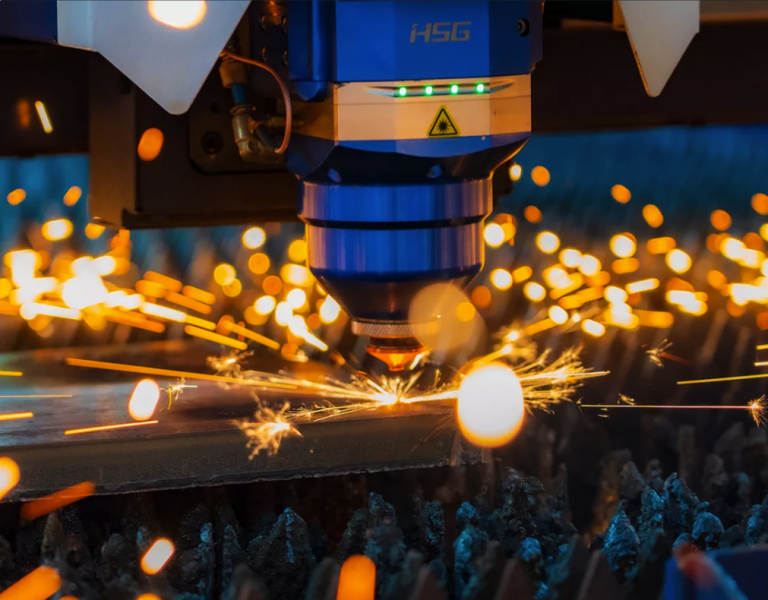
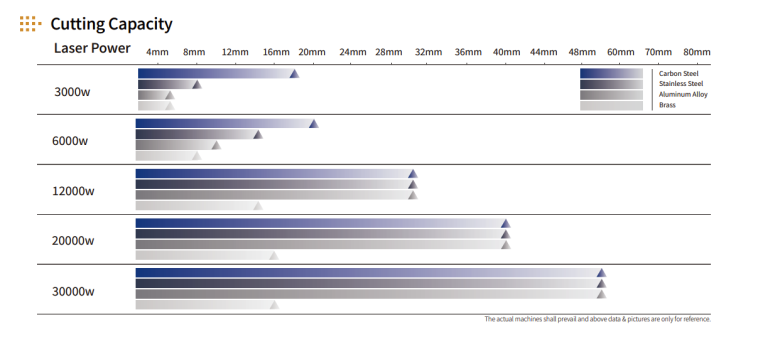
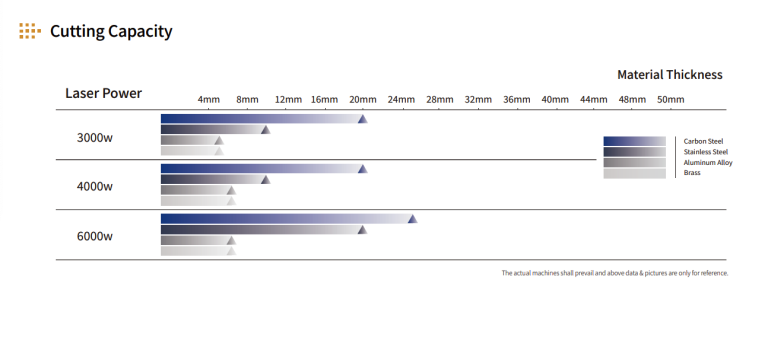
Accurate cutting is the bedrock of precision fabrication. Laser cutting machines are a top recommendation for stainless steel, especially fiber lasers for thinner materials (up to about 20mm) and CO2 lasers for thicker plate. Lasers offer minimal heat-affected zones, reducing the risk of warping. For thicker or specialty jobs, high-definition plasma or waterjet cutters provide clean edges without significant heat buildup.
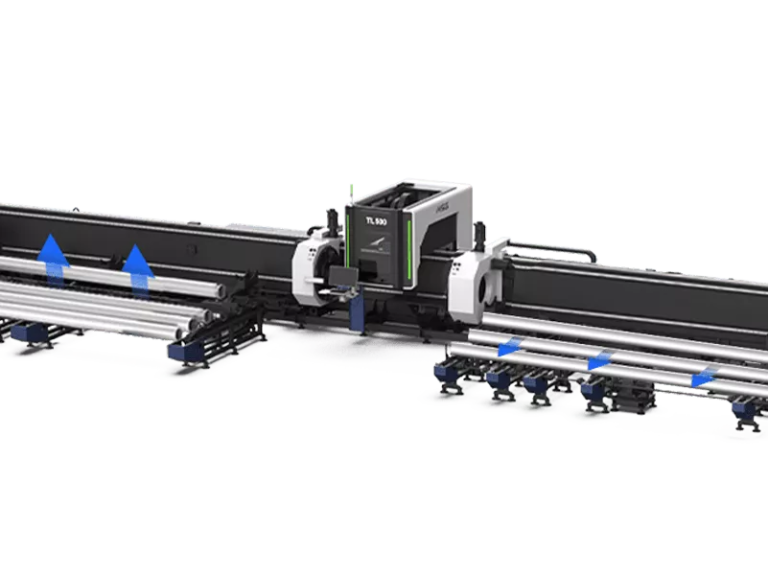
For smaller or routine part runs, CNC shearing is an efficient, lower-cost option that keeps prep time to a minimum. Whichever method you choose, machine maintenance and correct calibration are crucial to reducing burrs, edge hardening, or severe thermal distortion. Logistics and material handling also come into play; integrating automated load/unload systems streamlines the process, reduces manual handling, and keeps throughput high. For progressive assembly, using nestable cut patterns maximizes sheet usage and supports downstream efficiency.
Techniques for Accurate Bending Without Surface Imperfections
Bending stainless steel demands more pressure than mild steel, and incorrect tooling can leave ugly surface marks. Precision press brakes with digital controls are most effective, especially those equipped with CNC backgauges for repeatable results. Invest in tooling that matches the stainless grade and finish; for #4 or mirror-finish jobs, use polished dies and protective films to avoid surface marring.
For complex bends or multi-stage parts, consider a progressive die setup or a robotic bending cell if your volumes warrant the investment. These reduce both labor and part handling, ensuring each bend is consistent and within tolerance. Adaptive bending technologies that automatically compensate for angle spring-back also boost yield and reduce scrap. Machine recommendations include servo-electric press brakes for high repeatability and hydraulic brakes for heavier loads.
From the sales side, advertising your surface protection steps and repeatable accuracy can reassure customers who care about the cosmetic and structural quality of their products.
Welding Strategies to Minimize Warping and Residual Stresses
Welding is a critical stage where most distortion issues arise, largely due to stainless steel’s expansion and contraction during heating and cooling. To mitigate these risks, experienced shops opt for TIG welding for thin sheets or decorative work, while pulsed MIG welding suits thicker, structural parts. Techniques like stitch welding, skip welding, and using copper heat sinks can absorb excess heat and prevent local warping.
Invest in welding positioners and robust fixturing that lock parts securely, reducing handling and setup time. When possible, break assemblies into subcomponents to allow parallel processing and quick fixturing swaps. Sales teams can leverage your shop’s low-warp welding capabilities—prove your know-how in minimizing post-weld straightening and rework.
Technical strategies include pre-heating for thick sections, managing travel speed to control heat input, and using low-heat or controlled-cooling techniques where applicable. For logistics, organized welding bays with dedicated jigs and fixtures support seamless workflow and faster assembly.
Quality Control Measures to Ensure Dimensional Stability
To maintain dimensional consistency from cut to finish, robust quality control is essential. Employ a mix of manual inspection (precision calipers, go/no-go gauges) and machine vision (laser scanners or CMMs) to validate part accuracy. Check often, especially after welding, as earlier steps can mask or amplify subsequent distortions.
Integrate SPC (statistical process control) on the shop floor to detect drift before it becomes a problem, and feed these findings into continuous improvement cycles. Workspace organization is key: keep in-process racks near each machine, and use digital production tracking to minimize lost-in-process time. Automated conveyors or transfer carts for WIP (work-in-process) minimize manual lifting, improving both material traceability and operator safety.
For customers, highlight your part certification or traceability system—a convincing sales tool for industries demanding strict documentation.
Frequently Asked Questions
What makes stainless steel harder to fabricate than regular steel?
Its higher strength, lower thermal conductivity, and tendency to work harden make it more challenging—but with the right equipment and process controls, you can achieve tight tolerances and clean finishes.
Does laser cutting always produce the best results?
Laser cutting is best for accuracy and minimal heat distortion, but waterjet or plasma cutting are better choices for very thick materials or if edge heat must be avoided.
How can I reduce the cost of rework due to welding distortion?
Use proper fixturing, heat control, tack welds, and break larger parts into subassemblies. Regular operator training and process audits further minimize issues before they escalate.
Are automated bending solutions worth the investment?
For medium-to-high volumes, robotic or CNC bending increases repeatability, reduces labor, and can significantly lower total costs, especially with more complex parts.
What role does material handling play in quality and efficiency?
Efficient handling reduces scratching, warping, and lost time. Progressive layouts with conveyors or robotic transfer reduce labor costs and speed up workflow.
Can I promise absolute distortion-free parts to my customers?
No fabrication is entirely distortion-free, but tight process controls and advanced equipment can keep deviations within specification limits.
Is it worth investing in CMM or vision-based part inspection?
For high-value or precision-critical parts, advanced inspection pays for itself by catching defects before assembly, protecting your reputation and your customer’s trust.
Focusing on proven fabrication techniques, quality equipment, and optimized workflow gives you the edge as a manager—delivering consistent, distortion-free stainless steel products. Continually evaluate your process bottlenecks, invest in operator training, and select equipment that matches your shop’s product mix. By combining technical knowledge with practical, shop-floor logistics, you’ll keep both your team and your customers happy.
Need help upgrading your fabrication process or training your team? Reach out for consulting, technical support, or an equipment quote. Your shop’s next benchmark in quality and efficiency is within reach.
Stainless Steel Fabrication Techniques for Accurate Cutting, Bending, and Welding Without Distortion