Single Point of Contact Solutions for Streamlined Metal Fabrication Project Management
In metal fabrication, the quality of your project’s outcome depends not just on the skill in the hands of your crew or the power of your machines, but on the strength of your systems. Whether it’s deadlines, scope changes, or critical tolerances, there’s no room for communication gaps. That’s why my work philosophy starts with a sense of ownership and accountability—seeing the job through from first cut to final assembly. With each project I manage as a single point of contact, I bring technical expertise, respect for the floor, and a determination to simplify your workload while boosting output and precision.
Defining the Single Point of Contact Model in Metal Fabrication Projects
A single point of contact (SPOC) isn’t more paperwork or another bottleneck. Instead, it’s about streamlining your projects. When you rely on one person to organize all project communications and decisions, shop floor confusion drops dramatically. This model means the same professional tracks every job detail—orders, revisions, drawings, logistics—from first quote to shipping.
In practice, the SPOC acts as both a project coordinator and technical adviser. They calculate requirements based on your capacity—recommending, for example, a high-precision CNC plasma for unique cut patterns, or a press brake with programmable back gauges for repeatable bends. The SPOC ensures material and labor are lined up efficiently and proactively addresses possible gridlock in workflow.
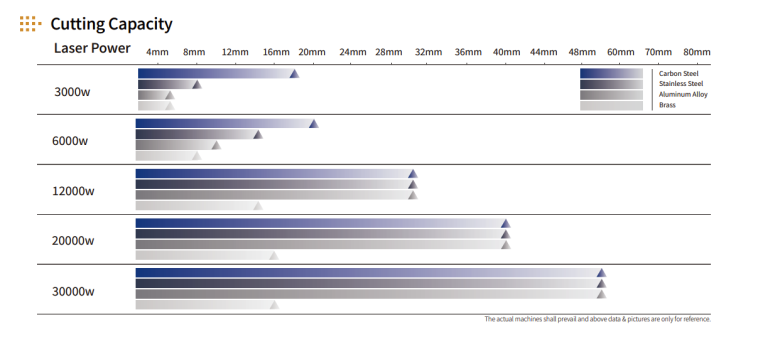
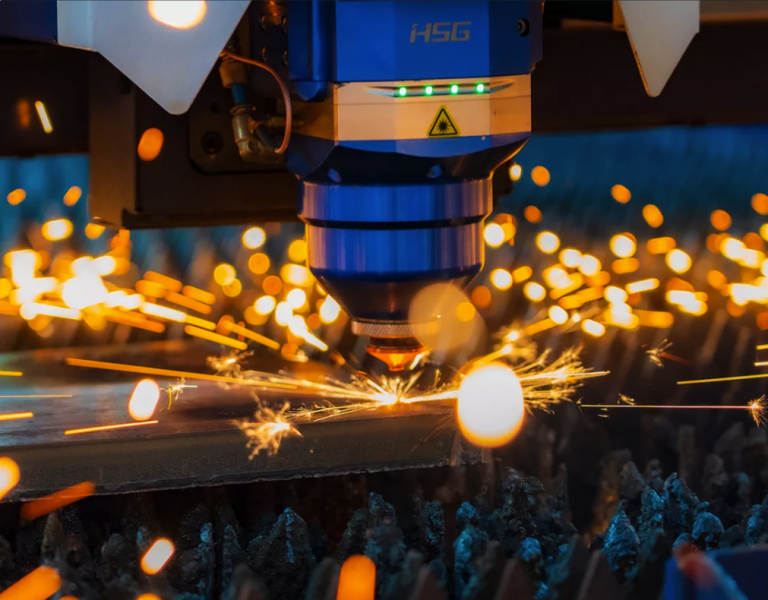
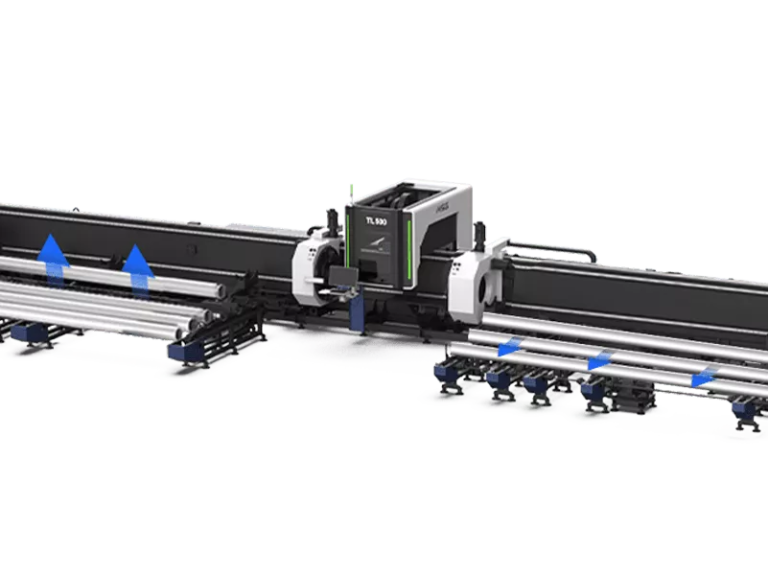
Sales-wise, this model guarantees tailor-fit solutions. Instead of generic packages, I’ll spec the right equipment, like fiber laser cutters for stainless, or automated beamlines for structural steel jobs. This reduces downtime and gives a clear path for training or cross-utilization.
Integrating Communication Channels for Real-Time Problem Solving
Lost time and rework often begin with unclear emails or missed phone messages. The SPOC integrates all communication—whether you prefer texts, emails, or even live dashboards—so updates are immediate and reliable. Every weldment approval, cut sheet, or change request funnels through the SPOC, minimizing confusion.
For shop floor management, this means real-time solutions. Is the waterjet offline? The SPOC immediately reschedules parts on an available laser cutter or checks with outsourced partners, saving hours instead of letting machines or people sit idle. Machine selection here depends on backlogs and necessary tolerances; for thick plate, a multi-head oxyfuel cutter may be called up, or for delicate features, a turret punch.
From a sales viewpoint, buyers appreciate a coordinated response—quotes get turned faster; production hiccups are relayed with action plans, not excuses.
Centralized Documentation and Workflow Coordination
It’s tough to chase down drawings, material certs, or shipping slips through scattered emails and printouts. With a SPOC, all project documents are centralized, often in a shared digital portal. That means weld maps, heat numbers, revision histories, and inspection checklists are always at your fingertips, in one place.
This leads to more efficient assembly. The SPOC sequences jobs for progressive builds, recommending, for instance, subcomponent layout near the robot welder or using roller conveyors to transfer heavy assemblies with minimal lifts. Press brakes with quick-change tooling, automated part markers, and integrated punch/shear lines all have their place in smooth coordination.
In a sales conversation, centralized workflow reassures customers that their specs and compliance needs are not “lost in the shuffle”—it’s a proof point for reliability and repeat business.
Enhancing Quality Assurance and Change Management
Quality issues are often discovered too late or communicated too loosely. With a SPOC, all quality checkpoints and sign-offs are scheduled and tracked. QA managers report to the SPOC, who documents each stage—be it dimensional inspection, weld integrity with NDT, or finish thickness after powder coating.
SPOC-driven quality control also ensures timely responses to change requests. If a mod to the hole pattern comes in, the SPOC immediately updates CAD files, relays the new print to the brake operator, and notifies QA to adjust inspection protocols. Machine recommendations here might include laser scanning arms for in-process verification, or barcode readers for real-time traceability.
This approach not only minimizes costly reworks but enhances trust—customers know that change management is structured and mistakes don’t cascade down the line.
Leveraging Single Point of Contact Solutions for Faster Project Turnarounds
When fabrication deadlines are tight, efficiency matters. The SPOC approach accelerates project cycles by aligning procurement, scheduling, and floor operations. Orders for flat bar or tube stock are timed just-in-time, with the SPOC tracking incoming shipments and prepping programs for CNC saws or laser tables.
Because the SPOC understands your exact machine park—including press brake tonnage, punch press catalogs, and robotic welders—they can plan assembly steps to reduce handling. Want fewer trips across the shop? The SPOC will sequence jobs so subassemblies flow to the main line, using powered roller beds or lift-assist jigs—no wasted walks or lifts.
For sales, “faster turnaround” is a promise with credibility. It’s not just about working harder, but about working smarter, sizing orders to machine cycles and material drops, cutting lead times, and shrinking bottlenecks.
FAQ: Single Point of Contact Solutions in Metal Fabrication
How does a single point of contact save time on our shop floor?
By centralizing information and decisions, the SPOC eliminates back-and-forth, minimizes miscommunication, and quickly reroutes work if bottlenecks pop up.
Will this model increase our project costs?
No. On the contrary, it reduces costly errors, rework, and downtime, which typically cuts overall project spend.
What machines are critical for streamlined processes?
High-precision CNC lasers, programmable press brakes, automated punch/shear lines, and real-time data collection tools are recommended to boost efficiency and reduce manual material movement.
How does the SPOC handle urgent changes to specs or design?
The SPOC immediately updates all drawings, notifies machine operators, and adjusts workflows so no one works off outdated plans.
Can this strategy work for custom or one-off projects?
Absolutely. The SPOC adapts the process for both high-volume runs and specialized builds, ensuring each job moves smoothly from quote to finish.
Does the SPOC get in the way of direct shop floor problem-solving?
The SPOC enhances direct solutions by making sure issues are relayed, tracked, and resolved with full context, not just passed along.
Having one trusted contact to steer your project gives you more than convenience—it brings structure, speed, and accountability to every stage of fabrication. Whether you’re managing daily operations or quoting the next big build, a single point of contact will free you to focus on production, drive quality, and ensure smooth progress from start to shipping. When you’re ready for a build with less stress and more control, reach out and see how this model will deliver infinite possibilities for your team.
Single Point of Contact Solutions for Streamlined Metal Fabrication Project Management