Selecting the Perfect Plasma Cutter for Pros
Selecting the perfect plasma cutter is crucial for professionals in the metal fabrication industry. Whether you’re cutting through steel, aluminum, or other conductive metals, a high-quality plasma cutter can make all the difference in efficiency and precision. This guide will walk you through the essentials of choosing the right plasma cutter, focusing on the basics, key features, and top brands that cater to expert needs.
Understanding Plasma Cutter Basics
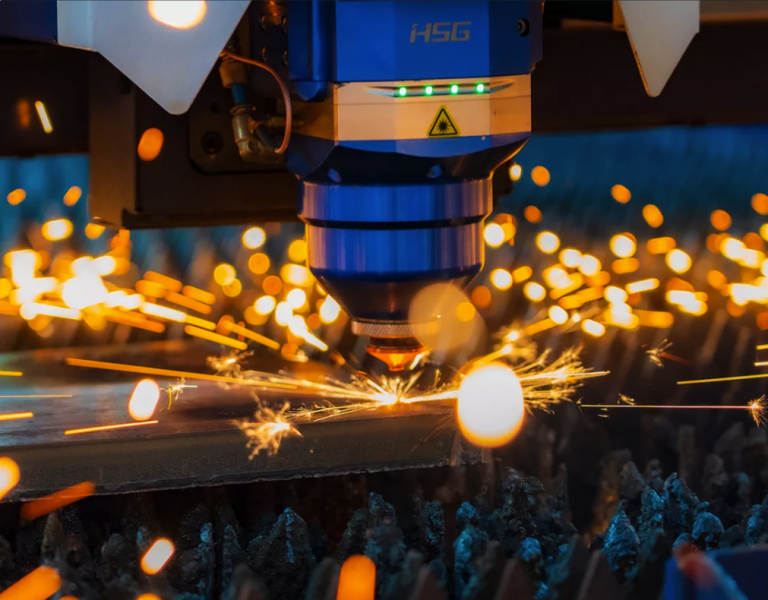
Before diving into the specifics, it’s essential to grasp the fundamentals of how plasma cutters operate. Plasma cutting is a process that uses a high-velocity jet of ionized gas, or plasma, to cut through metal. This method is favored for its speed and precision compared to traditional cutting techniques.
- How It Works: Plasma cutters use an electrical arc to ionize gas, creating plasma. This plasma is then directed through a nozzle at high speed to cut through metal.
- Types of Plasma Cutters:
- Manual Plasma Cutters: Ideal for small-scale or intricate work.
- CNC Plasma Cutters: Best for large-scale, repetitive tasks that require precision.
- Power Sources: Plasma cutters can be powered by electricity or compressed air, with some models offering dual power options.
Understanding these basics will help you make an informed decision when selecting a plasma cutter that suits your professional needs.
Key Features to Consider for Pros
When choosing a plasma cutter, professionals should focus on several key features to ensure they get the most out of their investment. Here are some critical aspects to consider:
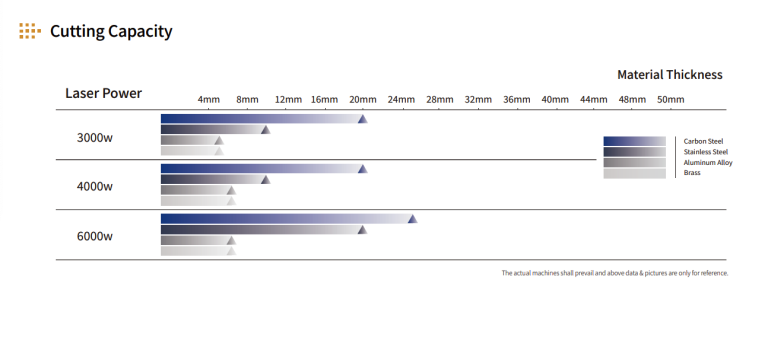
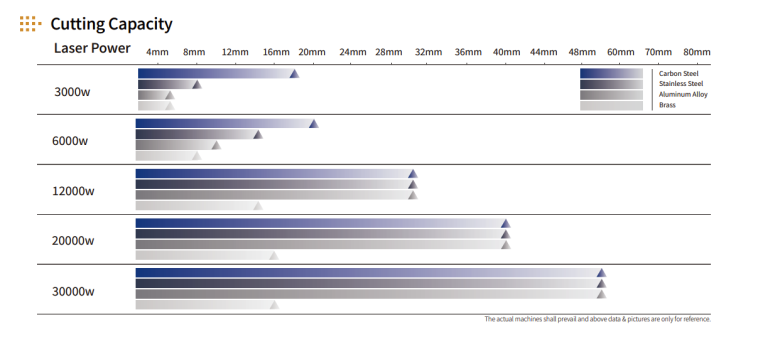
- Cutting Capacity: Determine the maximum thickness of metal you need to cut. Choose a plasma cutter that can handle slightly more than your maximum requirement to ensure efficiency.
- Duty Cycle: This refers to the amount of time a plasma cutter can operate continuously before needing to cool down. A higher duty cycle is beneficial for extensive or industrial work.
- Portability: If your work requires mobility, consider the weight and size of the plasma cutter. Some models are designed to be lightweight and easy to transport.
- Ease of Use: Look for intuitive controls and features like automatic air regulation and pilot arc technology, which can simplify operation and improve cut quality.
- Consumables: Check the availability and cost of consumables like nozzles and electrodes. Opt for a model with readily available and affordable consumables to minimize downtime and expenses.
By focusing on these features, professionals can select a plasma cutter that enhances their workflow and meets their specific needs.
Top Plasma Cutter Brands for Experts
For professionals seeking reliability and performance, certain brands stand out in the world of plasma cutting. Here are some top brands renowned for their quality and innovation:
- Hypertherm: Known for its cutting-edge technology and durability, Hypertherm offers a range of plasma cutters suitable for various professional applications.
- Miller Electric: With a reputation for robust and user-friendly equipment, Miller Electric provides plasma cutters that cater to both beginners and seasoned experts.
- Lincoln Electric: Offering a diverse selection of plasma cutters, Lincoln Electric is praised for its innovation and commitment to quality.
- ESAB: Known for its high-performance machines, ESAB delivers plasma cutters that are both powerful and efficient, making them a favorite among professionals.
These brands are trusted by experts worldwide and offer models that cater to different needs and budgets, ensuring you find the perfect plasma cutter for your operations.
Choosing the right plasma cutter is essential for professionals in the metal fabrication industry. By understanding the basics, focusing on key features, and considering top brands, you can make an informed decision that enhances your productivity and precision. For more detailed information and expert advice, visit Selecting the Perfect Plasma Cutter for Pros.
Choosing the right plasma cutter is a critical decision for professionals in the metal fabrication industry, as it directly impacts the efficiency and precision of cutting through conductive metals like steel and aluminum. This guide aims to equip you with the necessary knowledge to select a plasma cutter that meets your professional needs, highlighting essential features, top brands, and the operational basics of plasma cutting technology. Understanding how plasma cutters utilize a high-velocity jet of ionized gas to achieve precision cuts is fundamental to making an informed purchase.
Maintenance Tips
- Regularly inspect and clean the torch tip and electrode to prevent buildup that can affect performance.
- Replace consumable parts like the nozzle and electrode as recommended by the manufacturer to maintain cutting quality.
- Ensure proper airflow and ventilation to prevent overheating and extend the machine’s lifespan.
- Check cables and connections for wear and secure them to avoid electrical issues.
Typical Cost Ranges
The cost of plasma cutters can vary significantly based on power, features, and brand:
- Entry-level models: $300 – $700
- Mid-range professional models: $800 – $1,500
- High-end industrial models: $1,600 – $5,000+
Performance Specs
- Cutting Thickness: Varies from 1/4″ for small units to over 1″ for industrial models.
- Power Supply: Typically ranges from 110V to 220V, with higher voltage models offering greater cutting power.
- Duty Cycle: Look for a higher duty cycle for prolonged and continuous operations.
Buying Advice
- Identify the primary materials and thicknesses you’ll be working with to choose an appropriately powered plasma cutter.
- Consider portability if you need to move the cutter between job sites frequently.
- Look for models with easy-to-use interfaces and digital displays for precise settings adjustments.
- Prioritize brands known for reliability and good customer support.
FAQs
What is the main advantage of using a plasma cutter over other cutting tools?
The main advantage is the ability to cut through thick metal quickly and with high precision, which is more efficient than traditional cutting methods.
Can plasma cutters be used on materials other than metal?
No, plasma cutters are specifically designed for cutting conductive metals.
What safety precautions should I take when using a plasma cutter?
Always wear protective gear, such as gloves and a face shield, and ensure proper ventilation in the working area to avoid fumes and sparks.
How do I determine the right power level for my needs?
Consider the maximum thickness of metal you plan to cut. Thicker metals require higher amperage for efficient cutting.
Do plasma cutters require special training to operate?
While they are user-friendly, some training or experience in metalworking is beneficial to ensure safe and effective use.
Is a compressed air source necessary for operating a plasma cutter?
Yes, plasma cutters require a compressed air source to function properly. Some models come with built-in air compressors, while others need an external source.
Selecting the Perfect Plasma Cutter for Pros