Selecting Rust-Resistant Metals for Outdoor Fabrication: A Guide for Operations Managers
In today’s rapidly evolving fabrication industry, operations managers are constantly challenged to deliver outdoor projects on time, within budget, and to client specifications. Effective material selection is the foundation of successful, durable installations— especially when facing unpredictable weather, harsh environments, and tight timelines. Selecting rust-resistant metals isn’t just about fighting corrosion; it’s about working smarter, streamlining shop workflow, maximizing machine uptime, and ensuring installations stand the test of time. By understanding the fundamentals of corrosion, mastering material options, and utilizing the right technology, production teams can achieve higher productivity, lower maintenance costs, and superior finished products.
Understanding Corrosion Challenges in Outdoor Environments
Outdoor environments expose metals to cycles of moisture, UV radiation, temperature shifts, salts, and pollutants that dramatically accelerate corrosion. For an operations manager, ignoring these variables early in project planning can result in costly rework, warranty claims, and unhappy customers.
Material sales experts often stress the value of specifying metals with proven corrosion resistance, particularly in industries like architectural metalwork, outdoor signage, and street furniture fabrication. Successful shops standardize on metals that resist both uniform rusting and localized forms like pitting—a critical consideration in coastal areas and high-traffic public zones.
Corrosion testing and machine surface finishing technologies—such as passivation systems for stainless steel—can enhance these natural advantages. Production lines using automated washing and drying systems can integrate these steps for maximum efficiency, reducing manual handling and protecting delicate surface treatments before assembly.
Key Properties of Rust-Resistant Metals for Fabrication
When evaluating a metal’s suitability for outdoor use, operations managers should focus on key attributes: alloy composition, surface finish, formability, weldability, and resistance to abrasion or chemicals.
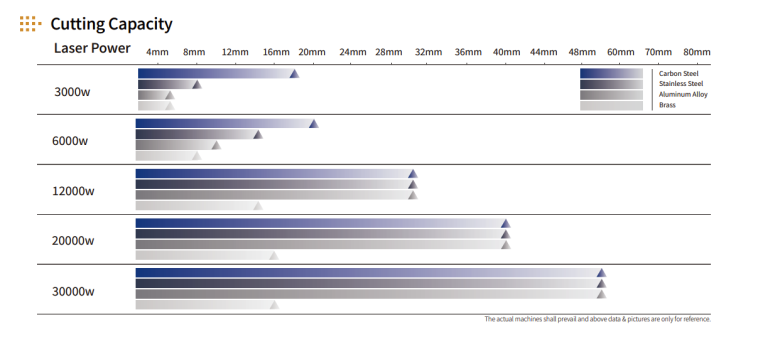
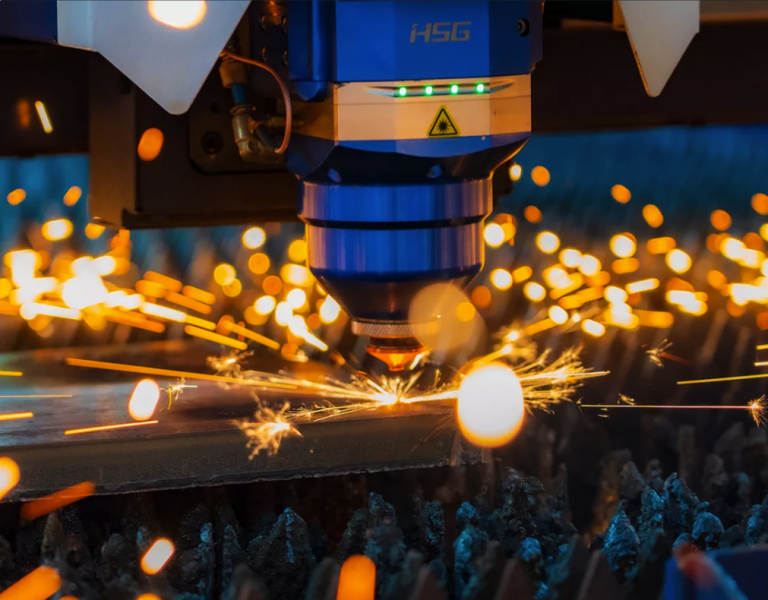
Sales teams can guide buyers toward alloys optimized for outdoor performance, recommending metals like 304 or 316 stainless steel, which are engineered with higher nickel and chromium content for superior rust resistance. Meanwhile, machine shops using high-definition plasma cutters, fiber lasers, or multi-axis press brakes can process these materials without excessive tool wear or post-processing—provided the machines are equipped with compatibility features like flood coolant systems or specialized cutting gases.
Well-organized shops optimize their logistics by receiving metals in pre-finished or pre-cut formats, reducing in-house material handling and allowing quick progression from storage to production. Close communication with suppliers about batch certifications and consistent alloy grades makes a real difference in repeatability, especially on multi-unit outdoor contracts.
Evaluating Common Rust-Resistant Metals and Their Applications
The most popular metals for outdoor fabrication include stainless steel, aluminum, weathering steel (like COR-TEN), and certain specialty copper alloys. Each provides different balances of corrosion resistance, workability, aesthetics, and cost.
For public benches, railings, and exterior panels, 316 stainless steel offers excellent protection against coastal salt and urban pollutants, justified by its longer-term maintenance savings. Aluminum, lightweight and versatile, can be TIG welded or bent using programmable forming presses, providing flexibility for signage, facades, and light-duty covers. Weathering steels gain a protective oxide layer that visually blends with landscape designs, but require correct detailing to avoid premature staining during fabrication and installation.
Operations managers benefit from machines with quick material changeover and integrated deburring to process mixed-metal jobs with less downtime. Investing in software that links project specifications to machine settings—like bend allowances for corrosion-prone metals—reduces setup errors and waste, especially with progressive assembly lines.
Practical Considerations for Metal Selection in Outdoor Operations
Cost-effectiveness begins with understanding the complete lifecycle of the fabricated item, not just upfront material costs. While higher-grade stainless or copper alloys may seem expensive, they drastically reduce long-term maintenance and replacement frequency. Customers value proposals that include performance guarantees backed by solid technical rationale.
For high-mix fabrication shops, the ability to handle both thin-gauge and thick-plate rust-resistant metals is crucial. Investing in variable-speed press brakes, adaptive servo-driven shears, and robotic welding stations ensures precise, repeatable results while minimizing worker fatigue and handling risks. Optimizing the workflow so that incoming metals are stored as close as possible to cutting and forming areas further reduces non-value-added movement, increasing shop throughput.
On large or repetitive projects, negotiating just-in-time material replenishment with regional distributors can minimize shop floor inventory, freeing space and reducing handling. Sales engineers can help tailor material blank sizes and finishing levels for direct loading into CNC processing equipment, simplifying the fabrication process.
Best Practices for Maintaining Corrosion Resistance After Installation
Even the most rust-resistant metals can fail if improperly handled during and after installation. Fabrication teams must avoid contamination from ordinary steel tools and ensure fasteners or welds are made from compatible alloys to prevent galvanic corrosion.
Application of post-installation treatments—such as protective coatings, sealants, or passivation—extends the lifespan of outdoor metal elements. Machines capable of uniform blast cleaning or automated coating application deliver more consistent results, especially on intricate assemblies. Whenever possible, conduct on-site cleaning using deionized water and appropriate detergents to remove salt and grime, prolonging the as-installed appearance.
Progressive assembly practices, such as modular pre-assembly in a climate-controlled shop, minimize outdoor exposure pre-installation. Coordinated logistics planning reduces field handling and expedites installation, maintaining the integrity of factory-finished surfaces and lowering long-term maintenance requirements.
Frequently Asked Questions
What are the main benefits of using rust-resistant metals for outdoor projects?
They drastically reduce repair and repainting needs, minimize downtime, and deliver higher-quality installations over time.
How can I select the right rust-resistant metal for my specific application?
Consider the environment, load requirements, and desired lifespan. Consult with knowledgeable metals suppliers to match performance, cost, and fabrication needs.
Which machines best handle stainless steel and aluminum for shop fabrication?
Fiber laser cutters, waterjets, precision press brakes, and TIG/MIG welders with adaptive controls provide top versatility and efficiency for these metals.
Can I improve workflow with just-in-time procurement?
Yes. Coordinating material deliveries with production schedules reduces in-house inventory, handling, and overhead.
How do I prevent damage to corrosion resistance during fabrication?
Use dedicated tools, avoid cross-contamination, and apply proper cleaning or passivation before final assembly or shipment.
Is it expensive to invest in corrosion-resistant materials and machines?
Initial costs are higher, but the significant reduction in maintenance, warranty, and replacement costs produces strong long-term savings.
By making informed choices in rust-resistant metal selection, optimizing your fabrication workflow, and maintaining best practices post-installation, operations managers can guarantee outdoor projects that perform reliably in harsh environments. Your investment in quality materials and efficient shop processes pays off in satisfied customers and fewer headaches down the road. Stay proactive in your material choices and process improvements, and the results—like your reputation—will stand strong for years to come.
In the competitive realm of metal fabrication, operations managers are tasked with the critical responsibility of selecting materials that not only meet client specifications but also withstand environmental challenges, particularly corrosion. This guide focuses on the strategic selection of rust-resistant metals for outdoor fabrication projects. By choosing the right materials, operations managers can significantly enhance the longevity and durability of installations, effectively manage project timelines and budgets, and maintain high levels of productivity. This involves a deep understanding of corrosion mechanisms, familiarity with rust-resistant metal options, and the adoption of advanced technologies and processes that streamline production and reduce maintenance costs.
Maintenance Tips
- Regularly inspect metal installations for early signs of corrosion to address issues promptly.
- Apply protective coatings or sealants to exposed metal surfaces to add an extra layer of protection against moisture and pollutants.
- Implement a routine cleaning schedule to remove dirt, debris, and other corrosive elements from metal surfaces.
Typical Cost Ranges
The cost of rust-resistant metals can vary significantly based on material type and market conditions:
- Stainless Steel: $1,500 – $3,000 per ton
- Aluminum Alloys: $1,800 – $2,500 per ton
- Galvanized Steel: $1,000 – $2,000 per ton
Performance Specs
- Stainless Steel: High tensile strength, excellent corrosion resistance, ideal for harsh environments.
- Aluminum Alloys: Lightweight, good corrosion resistance, suitable for applications requiring mobility.
- Galvanized Steel: Cost-effective, decent corrosion resistance, best for moderate environments.
Buying Advice
When selecting rust-resistant metals, consider the specific environmental conditions of the installation site. For coastal or highly polluted areas, stainless steel may offer the best protection. For projects requiring lightweight materials, aluminum alloys might be preferable. Always balance the initial cost with the long-term savings from reduced maintenance and replacements.
FAQs
What makes a metal rust-resistant? Rust-resistant metals typically have protective coatings or are made of alloys that resist oxidation and corrosion.
Is stainless steel always the best choice for outdoor projects? While stainless steel offers excellent corrosion resistance, the best choice depends on specific environmental and budgetary considerations.
How can I extend the lifespan of metal installations? Regular maintenance, protective coatings, and choosing the right materials for the environment can significantly extend lifespan.
Are there eco-friendly rust-resistant metals? Yes, both stainless steel and aluminum are recyclable, making them more sustainable options.
What factors influence the cost of rust-resistant metals? Material type, market demand, and processing requirements all influence cost.
Can rust-resistant metals be painted? Yes, painting adds an additional layer of protection and can enhance aesthetics.
Selecting Rust-Resistant Metals for Outdoor Fabrication: A Guide for Operations Managers