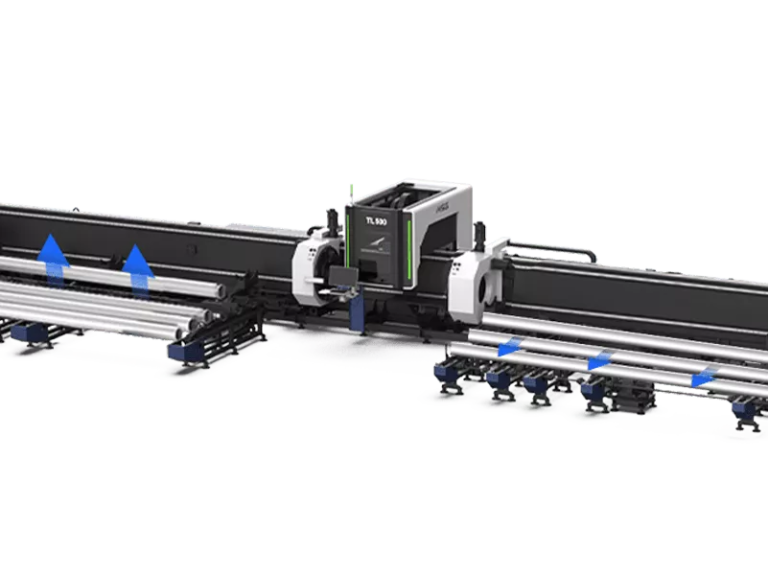
Optimizing Structural Fabrication Efficiency by Integrating Beam Lines and Plasma Cutters
The key to running a successful structural steel fabrication shop is mastering both quality and efficiency. Every production manager knows how even a single bottleneck or misstep adds time, costs, and headaches. The best teams don’t just work harder—they look for technological solutions that streamline every phase of fabrication, making careful choices about their equipment, layout, and process so that today’s jobs are faster and more profitable than yesterday’s. For shops focused on beams, columns, channels, and other heavy profiles, combining advanced beam lines with plasma cutting technology unlocks new levels of throughput, precision, and shop-floor control.
Assessing Current Structural Fabrication Workflow
For most busy shops, production managers are always on the lookout for workflow gaps: wasted motion, unnecessary non-value-adding handling, and delays between stations. Understanding where time is lost in your current process—such as when cutting, drilling, coping, or marking beams—is step one to modernization.
Sales-focused insight: Many shops still rely on manual or semi-automated workflows, which leads to constant repositioning and slow job changeovers. At this point, sales experts often recommend a workflow study to track workpieces from goods-in to finished product, noting where bottlenecks and material buildup occur.
Machine recommendations: Shops that see long queues at manual band saws or multi-purpose workstations can consider moving to a beam line, which consolidates steps like sawing, drilling, and marking. Ask suppliers about modular setups—these can grow with your business, so you don’t over-invest too soon.
Technical and logistical tip: When evaluating workflow, note layout inefficiencies. Progressive assembly, where material moves logically from one value-adding step to the next with minimal handling, is greatly improved by integrated machinery—and a future where beam lines and plasma cutters work together on the same pieces.
Key Features and Capabilities of Beam Line Systems
Beam lines are the backbone of modern structural steel shops. They handle common profiles—like wide-flange beams, channels, and angles—performing multiple operations automatically without removing the piece from the machine.
Sales-based solution: Selling a beam line comes down to its value in combining three or more processes: straight and miter cutting, drilling, tapping, slotting, part marking, and layout marking—all with minimal operator intervention. The right beam line can replace several standalone machines and reduce setup time significantly.
Machine requirements: When specifying a beam line, look for versatile units that handle a range of material sizes, come with robust clamping, automated measurement, and rapid tool change systems. CNC control is a must for today’s contract work, ensuring repeatability and accuracy.
Awareness tip: Remember to consider integration points. Beam lines shine in progressive assembly when they’re paired with in-feed and out-feed conveyors, allowing material to move seamlessly instead of piling up after each step.
Advantages of Plasma Cutters in Structural Steel Processing
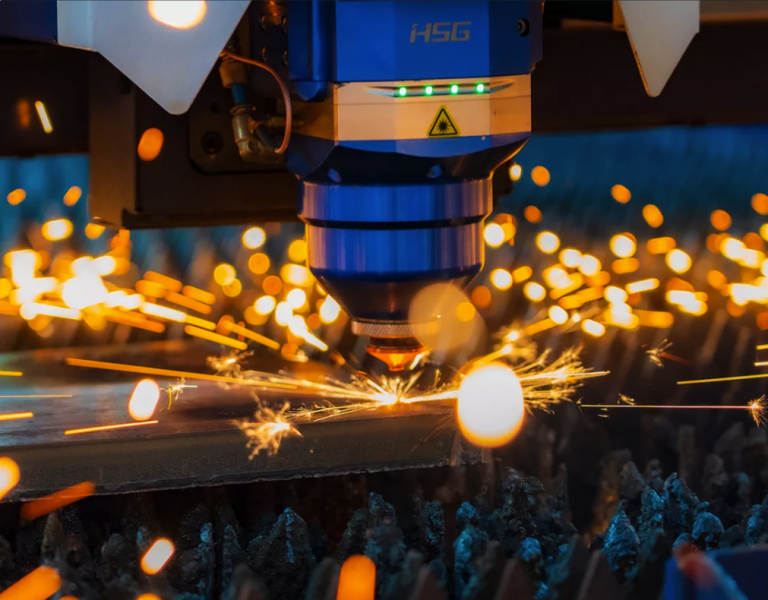
Plasma cutters bring extraordinary versatility compared to saws or drills alone. Modern CNC plasma systems can cope beams, create intricate connections, cut holes and slots, trim flanges, and even etch part information—all thermal processes that complement a beam line’s mechanical capabilities.
Sales-based insight: Adding a plasma cutter to your process frees up the beam line for what it does best—precise drilling, tapping, and bulk cutting—while the plasma handles complicated shapes and modifications that would slow down the main line.
Machine recommendations: Look for high-definition CNC plasma units designed for integration with beam handling systems. Some plasma units feature robotic torch heads for greater flexibility, and custom fixtures for holding beams during thermal processing.
Efficiency tip: Plasma systems are particularly efficient for coping, haunching, and end cuts that are slow or difficult with mechanical methods. They reduce the need to move material to a secondary workstation, cutting handling and re-clamping time.
Integrating Beam Lines and Plasma Cutters for Streamlined Production
The real leap in efficiency comes when these two technologies—beam lines and plasma cutters—are paired in an integrated workflow. Instead of separate islands of machinery, your beam line and plasma cutter work in sequence as part of a connected, automated cell.
Sales-focused solution: For customers facing large, complex projects, or handling heavy member customization, vendors now offer turnkey systems where beams automatically transfer between mechanical and plasma stations on conveyors or robotics. Such solutions maximize throughput and minimize manual material movement.
Machine integration requirements: Seek equipment with industry-standard interfaces for data and mechanical compatibility. Shop managers should confirm that machine controls can communicate for production scheduling, program transfer, and workpiece handoff.
Progressive assembly gains: With an integrated solution, one operator can oversee multiple processes, vastly reducing the need for forklifts or cranes to move heavy profiles between stations. With less material handling, the shop stays safer and cleaner, and job times shrink.
Best Practices for Implementing Integrated Fabrication Solutions
Switching to an integrated fabrication solution doesn’t happen overnight. Success comes from planning, training, and careful rollout.
Sales-based implementation: Work with your machine vendor to design a phased integration plan; often, it’s best to install the beam line first, then the plasma cutter, before linking them together. Many top suppliers offer simulation services to show workflow gains before changes are made.
Technical and logistical keys: Map out your material flow in detail, ensuring there’s space for conveyors and access for operators and maintenance. Match machine capacities—there’s no value in a beam line that outpaces your plasma cutter, or vice versa.
Training and support: Invest in solid operator and programmer training up front. Well-trained staff catch problems early and keep the whole line moving smoothly. Request comprehensive documentation and remote support options from your vendors.
Measuring and Sustaining Fabrication Efficiency Improvements
Modern machinery should be working for you, not the other way around. Measure before and after data on throughput, scrap rates, and labor hours to quantify the gains from your investment.
Sales insight: Successful integration helps close future sales by showcasing improved project performance—on-time delivery and tighter margins impress both clients and auditors.
Machine recommendations and efficiency: Equip your beam line and plasma cutter with networked production monitoring (IoT devices or built-in OEM solutions) for live dashboards that highlight inefficiencies and maintenance issues. Regular review meetings help keep your efficiency gains on track.
Progressive assembly strategy: Keep continuous improvement front of mind—tweak layout, scheduling, and preventive maintenance as jobs evolve and equipment ages.
FAQ
What are the main benefits of integrating beam lines and plasma cutters?
You dramatically reduce material handling, increase throughput, and can tackle jobs with more complex shapes and cuts efficiently.
How does integration affect lead times and job scheduling?
Integrated lines speed up project completion, making job scheduling more predictable and reducing downtime between steps.
Are integrated systems difficult to maintain?
Modern integrated systems are automated but designed for industrial durability. Routine training and vendor support simplify upkeep.
How do I choose the right size and type of equipment for my shop?
Evaluate your current and future job mix, then consult with machinery vendors to match capacity, automation level, and integration capability.
Will my staff need special training to operate these machines?
Operators transitioning to integrated lines benefit from training provided by most OEMs, covering both machine usage and troubleshooting.
Is the investment cost for integration justified?
While upfront costs can be significant, most shops see a fast ROI through labor savings, fewer mistakes, and higher project capacity.
By evaluating and addressing your current workflow, selecting the right equipment, and strategically integrating beam lines with plasma cutters, you will position your fabrication shop to work faster, safer, and smarter. Progressive assembly processes cut costly steps and help you deliver top-quality structural steel on schedule every time. For additional advice or specific solution recommendations for your shop, don’t hesitate to reach out to equipment vendors or fabrication consultants who understand the challenges and opportunities unique to your business.
For more details on integrated fabrication solutions, case studies, or help assessing your shop’s specific needs, contact an equipment specialist or visit leading manufacturers’ websites. Investing in workflow efficiency is a step toward making your team and company more competitive, reliable, and profitable for years to come.
Integrating beam lines with plasma cutters in structural fabrication can significantly streamline material handling, reduce manual layout and drilling, and compress throughput times, but selecting the right combination requires careful attention to capacity, automation level, and total system cost.
Overview
- Typical integrated system pricing ranges from $400,000 to $1,200,000 USD, reflecting automation level, size capacity, and software options.
- Beam lines are typically used for processing structural shapes (beams, channels, angles, tubes), handling cutting-to-length, drilling, coping, and layout marking in a single pass.
- Plasma cutters add high-speed thermal cutting capabilities for plates, connections, copes, web penetrations, and complex profiles on structural members.
- Integration focuses on minimizing handling: material flows from stock through the beam line, then to plasma cutting or vice versa, with shared material handling and common part data.
- Throughput gains come from automated measuring, nesting, and part identification, which reduce manual layout, fit-up time, and rework.
- Software integration (CAM, nesting, and production management) is as critical as the physical machines for achieving consistent efficiency gains.
Budgeting & Pricing
- Pricing estimate (USD): $400,000 – $1,200,000 USD for an integrated beam line and plasma cutting solution, depending on configuration and options.
- Lower-cost configurations typically include a basic beam line with limited axis automation, manual loading/unloading, and a standard plasma table sized to common plate formats.
- Higher-cost systems tend to include advanced automation: infeed/outfeed conveyors, cross transfers, automatic measurement, part marking, and more sophisticated plasma cutting capabilities.
- Software and controls (nesting software, production management, and integration to design/detailing tools) can be a significant portion of the total investment and should be included early in budgeting.
- Installation, commissioning, operator training, and any required building or utility modifications are important indirect costs to plan for in addition to the machine price.
- Ongoing operating costs will include consumables for the plasma cutter, tooling for the beam line, and periodic maintenance; these should be evaluated relative to expected throughput and labor savings.
- When comparing quotes, ensure that material handling, safety systems, and software licenses are clearly itemized to avoid underestimating the actual project cost.
Key Selection Factors
- Capacity & work envelope: Confirm the maximum beam depth, flange width, and weight per meter that the beam line can handle, and match plasma table size and thickness capacity to your typical plate and connection work.
- Automation level: Decide how much of the process you want automated (measuring, drilling, coping, marking, sorting), and whether material handling between the beam line and plasma cutter will be manual, semi-automatic, or fully integrated.
- Cutting and drilling performance: Evaluate the beam line’s drilling, milling, and coping capabilities and the plasma cutter’s cut speed and edge quality for the thicknesses and material grades you process most often.
- Accuracy and repeatability: Check positional accuracy for holes and cuts, as well as how the system maintains tolerances across long profiles and large plate parts, especially when parts must fit together in the field.
- Software integration: Assess how well the machines integrate with your existing CAD/detailing and production management systems, including import of part data, nesting, and automatic generation of beam and plate programs.
- Floor layout and material flow: Plan how the beam line and plasma cutter will be arranged on your shop floor to minimize handling, avoid bottlenecks, and allow safe, efficient movement of long members and plates.
- Maintenance and support: Consider access to wear components, ease of routine service, and the availability of technical support and training to keep the integrated system running reliably.
Buying Advice
- Verify that the beam line’s size and weight capacity match or exceed your largest and heaviest structural profiles, leaving room for future project requirements.
- Inspect the plasma cutting system’s torch technology, consumable accessibility, and plate handling features to ensure they align with your typical plate thickness and part complexity.
- Review sample parts and test cuts from both the beam line and plasma cutter for hole quality, cut edge condition, and dimensional accuracy on representative materials.
- Confirm that the control systems and software can import your current design/detailing data formats and support automatic nesting for both beam and plate work.
- Walk through the proposed material flow, including loading, offloading, and intermediate staging between the beam line and plasma cutter, to identify and correct potential bottlenecks.
- Check safety features such as guarding, interlocks, fume extraction for plasma cutting, and safe access points for maintenance and cleaning.
- Evaluate training provisions for operators, programmers, and maintenance staff to ensure that your team can use the integrated system to its full potential.
- Request a clear breakdown of total project costs, including installation, commissioning, software, material handling equipment, and any building or utility upgrades.
- Discuss spare parts availability, expected lead times, and recommended maintenance intervals so you can plan for downtime and stocking of critical items.
- Compare multiple configurations and suppliers on a lifecycle cost basis, considering not only purchase price but also throughput, labor savings, and anticipated operating costs.
FAQ
How much does an integrated beam line and plasma cutting system typically cost? Typical pricing falls in the $400,000 to $1,200,000 USD range, depending on capacity, automation level, software, and material handling options.
What types of work benefit most from integrating beam lines and plasma cutters? Structural fabrication shops processing beams, columns, and plates for buildings, industrial structures, and similar projects gain the most, especially where there is repetitive drilling, coping, and plate cutting.
Can I add a plasma cutter later to an existing beam line? This is often possible, but the ease and cost depend on how the current beam line is configured and whether its controls and material handling can be integrated with an additional cutting station.
What is the main efficiency gain from integrating these machines? The primary gains come from reduced manual layout and handling, as material is processed in fewer steps with automated measuring, cutting, and drilling using common part data.
How important is software when selecting an integrated system? Software is critical, as it manages part data, nesting, and program generation for both beam and plate work, and strongly influences overall throughput and error rates.
Do integrated systems require special building modifications? They often require adequate floor space, load-bearing capacity, and appropriate utilities; plasma cutting also needs proper fume extraction and ventilation.
What should I look for in terms of accuracy? Focus on positional accuracy and repeatability for holes and cuts over the full length of beams and across the plasma table, ensuring they meet your fabrication and field fit-up tolerances.
How does automation level affect cost? Higher automation, such as automatic measuring, part marking, and integrated material handling, increases initial cost but can significantly reduce labor and handling time.
Is operator training complex for integrated systems? Training can be more involved than for stand-alone machines because operators must understand both equipment and the shared software environment, but it is essential to achieving the expected efficiency gains.
How should I compare quotes from different suppliers? Compare on a like-for-like basis, ensuring that beam and plate capacities, automation level, software, material handling, installation, and support are all clearly specified and included.
Source: Optimizing Structural Fabrication Efficiency by Integrating Beam Lines and Plasma Cutters
Optimizing Structural Fabrication Efficiency by Integrating Beam Lines and Plasma Cutters