Maximize Efficiency with Expert Plasma Cutter Care
In the fast-paced world of metal fabrication and manufacturing, efficiency is the key to staying ahead of the competition. Plasma cutters, with their precision and speed, are indispensable tools in achieving this efficiency. However, to truly maximize their potential, proper care and maintenance are essential. This article delves into the importance of expert plasma cutter care and how it can unlock peak performance, prolong equipment life, and ultimately boost productivity. By following these guidelines, you can ensure that your plasma cutter remains a reliable asset in your workshop.
Unlock Peak Performance with Proper Maintenance
Proper maintenance is the cornerstone of ensuring that your plasma cutter delivers peak performance consistently. Just like any other piece of machinery, a plasma cutter requires regular attention to operate at its best. This includes cleaning the torch and nozzle, checking for wear and tear, and replacing consumables as needed. By dedicating time to these tasks, you can prevent minor issues from escalating into major problems that could disrupt your workflow.
Moreover, a well-maintained plasma cutter not only performs better but also enhances the quality of your cuts. Consistent maintenance ensures that the machine operates smoothly, reducing the chances of irregular cuts or defects. This is crucial for businesses that rely on precision and quality to meet customer demands. By investing in proper maintenance, you not only extend the life of your plasma cutter but also maintain the high standards your clients expect.
Essential Tips for Prolonging Plasma Cutter Life
Extending the lifespan of your plasma cutter is not just about immediate performance; it’s about long-term savings and reliability. One essential tip is to regularly inspect and clean the air filter. A clean air filter ensures that the plasma cutter receives the optimal airflow necessary for efficient operation. Neglecting this simple task can lead to overheating and reduced performance, ultimately shortening the machine’s lifespan.
Another crucial aspect is the regular inspection of cables and connections. Over time, cables can become worn or damaged, leading to power inconsistencies and potential safety hazards. By routinely checking and maintaining these components, you can prevent unexpected breakdowns and ensure a safe working environment. Implementing these simple yet effective tips can significantly prolong the life of your plasma cutter, providing you with a dependable tool for years to come.
Expert Care: The Key to Cutting Edge Efficiency
Expert care goes beyond basic maintenance; it involves a deep understanding of the machine’s intricacies and potential issues. Engaging with professionals who specialize in plasma cutter maintenance can be invaluable. These experts can identify subtle signs of wear that might go unnoticed, ensuring that your machine operates at its full potential. Their expertise not only prevents costly repairs but also enhances the overall efficiency of your operations.
Furthermore, expert care includes staying updated with the latest advancements in plasma cutting technology. Professionals can provide insights into new techniques and tools that can further optimize your machine’s performance. By leveraging expert knowledge, you can ensure that your plasma cutter remains at the cutting edge of efficiency, giving you a competitive advantage in your industry.
Avoid Downtime: Master Plasma Cutter Upkeep
Downtime can be detrimental to any business, leading to lost productivity and revenue. Mastering plasma cutter upkeep is essential to avoid these costly interruptions. Regularly scheduled maintenance checks are crucial in identifying potential issues before they result in machine failure. By adhering to a strict maintenance schedule, you can minimize the risk of unexpected downtime and keep your operations running smoothly.
In addition to scheduled maintenance, it’s important to train your team on the proper use and care of the plasma cutter. Proper handling and operation can prevent unnecessary wear and tear, reducing the likelihood of breakdowns. Investing in training not only empowers your team but also ensures that your plasma cutter is used efficiently and effectively, further minimizing the risk of downtime.
Boost Productivity with Routine Equipment Checks
Routine equipment checks are a proactive approach to maintaining high productivity levels. By regularly inspecting your plasma cutter, you can identify and address minor issues before they escalate into major problems. This proactive approach ensures that your machine is always ready to perform at its best, reducing the chances of unexpected interruptions in your workflow.
These routine checks also provide an opportunity to assess the overall condition of your plasma cutter and make necessary adjustments. Whether it’s calibrating the machine for optimal performance or replacing worn parts, these small actions can have a significant impact on productivity. By incorporating routine equipment checks into your maintenance regimen, you can ensure that your plasma cutter is always operating at peak efficiency.
Maximize Output: Invest in Professional Servicing
Investing in professional servicing is a strategic decision that can maximize the output of your plasma cutter. Professional technicians have the expertise and tools necessary to perform comprehensive maintenance and repairs, ensuring that your machine operates at its highest capacity. This investment not only improves performance but also extends the lifespan of your equipment, providing long-term value for your business.
Moreover, professional servicing can uncover hidden issues that might not be apparent during routine checks. By addressing these issues promptly, you can prevent potential breakdowns and maintain a consistent level of productivity. Investing in professional servicing is not just about maintaining equipment; it’s about maximizing the output and efficiency of your operations, giving you a competitive edge in the market.
In conclusion, expert plasma cutter care is essential for maximizing efficiency, prolonging equipment life, and boosting productivity. By implementing proper maintenance practices, engaging with experts, and investing in professional servicing, you can ensure that your plasma cutter remains a reliable and efficient tool in your workshop. Don’t let neglect and downtime impact your operations; take proactive steps to master plasma cutter upkeep and maintain your competitive advantage in the industry. With the right care, your plasma cutter will continue to deliver exceptional performance and quality, helping you achieve your business goals.
In the fast-paced world of metal fabrication, plasma cutters are essential for their precision and speed, making them crucial tools for maintaining efficiency and staying competitive. To maximize their potential, proper care and maintenance are vital, ensuring they deliver peak performance, have a prolonged lifespan, and enhance overall productivity. This overview highlights the importance of expert plasma cutter maintenance, providing guidelines to ensure these machines remain reliable assets in any workshop.
Maintenance Tips
- Regular Inspection: Frequently check for worn-out parts and replace them promptly to prevent further damage.
- Cleanliness: Keep the plasma cutter and its environment clean to avoid dust and debris interference.
- Consumables Management: Replace consumables like electrodes and nozzles regularly to ensure optimal performance.
- Cooling System: Ensure the cooling system is functioning properly to prevent overheating.
- Software Updates: Regularly update the machine’s software to benefit from the latest features and fixes.
Typical Cost Ranges
The cost of plasma cutters varies based on size, power, and features. Entry-level models may start at around $300, while industrial-grade cutters can exceed $10,000. Consider your specific needs and budget when making a purchase.
Performance Specifications
- Cutting Speed: Can vary from 20 inches per minute (IPM) for thicker materials to over 200 IPM for thinner materials.
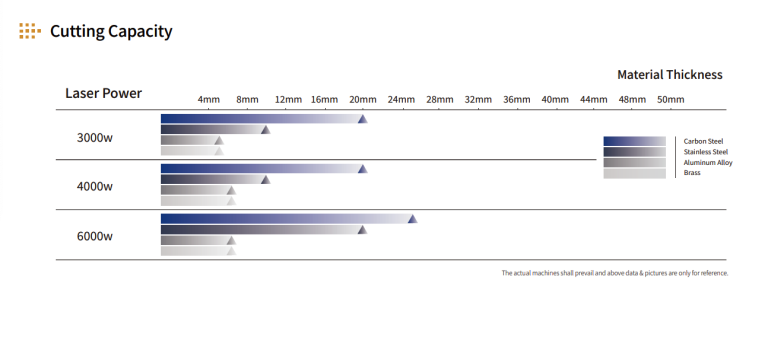
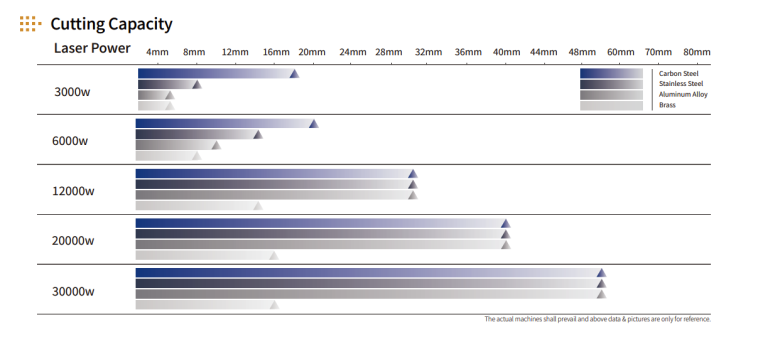
- Cutting Thickness: Entry-level models handle up to 0.5 inches, while industrial models can cut through over 2 inches of steel.
- Voltage and Power: Typically range from 110V for light use to 480V for industrial applications.
Buying Advice
When purchasing a plasma cutter, consider the types of materials you will cut, the thickness of those materials, and your required cutting speed. Evaluate whether portability is important for your operations, and ensure the model you choose has a sufficient power supply and duty cycle for your needs. Look for reliable brands with good customer support and warranty options.
FAQs
What materials can plasma cutters work on?
Plasma cutters are suitable for conductive metals such as steel, stainless steel, aluminum, brass, and copper.
How often should I replace consumables?
This depends on usage, but typically after every 3-4 hours of cutting, consumables should be inspected and replaced as needed.
Is it necessary to use a compressor with a plasma cutter?
Yes, plasma cutters require an air compressor to provide the airflow needed for cutting.
Can I cut rusted or painted metal with a plasma cutter?
Yes, but it’s recommended to clean the metal surface for optimal results and to prolong consumable life.
What’s the difference between pilot arc and non-pilot arc plasma cutters?
Pilot arc cutters can start without touching the metal, reducing wear on consumables, while non-pilot arc cutters require contact to start.
Do plasma cutters require special training?
While not mandatory, proper training can enhance safety and efficiency, especially for complex or industrial-grade models.
Maximize Efficiency with Expert Plasma Cutter Care