Mastering Zinc: Bending and Shaping Techniques Unveiled
In the world of metal fabrication, zinc stands out as a versatile and durable material. Whether you’re crafting intricate designs or robust structures, mastering the techniques of bending and shaping zinc can elevate your fabrication projects. This article delves into the essentials of working with zinc, offering insights and tips for fabricators eager to enhance their skills.
Understanding Zinc: A Quick Overview
Zinc is a non-ferrous metal known for its corrosion resistance, malleability, and cost-effectiveness. It’s commonly used in applications ranging from roofing to automotive parts. Here are a few key properties of zinc:
- Density: Lightweight, making it easy to handle.
- Melting Point: Relatively low, which can be advantageous in certain fabrication processes.
- Recyclability: Zinc is 100% recyclable without loss of properties.
Why Zinc is a Fabricator’s Best Friend
Zinc offers several benefits that make it a favorite among fabricators:
- Corrosion Resistance: Ideal for outdoor applications.
- Ease of Use: Its malleability allows for easy bending and shaping.
- Aesthetic Appeal: Provides a sleek, modern look.
- Cost-Effective: Affordable compared to other metals like stainless steel.
Essential Tools for Bending Zinc
To effectively bend and shape zinc, you’ll need the right tools. Here are some essentials:
- Brake Presses: For precise bends and folds.
- Shears: To cut zinc sheets to the desired size.
- Roll Formers: Useful for creating curves and cylindrical shapes.
- Folders: Ideal for creating complex folds and angles.
Mastering the Art of Zinc Shaping
Shaping zinc requires a blend of skill and technique. Here are some tips to master the art:
- Understand the Material: Know the limits of zinc’s malleability.
- Plan Your Design: Sketch out your design before starting.
- Practice Patience: Take your time to avoid mistakes.
Techniques for Precision Bending
Achieving precision in bending zinc is crucial for quality results. Consider these techniques:
- Use a Template: Helps maintain consistency.
- Adjust the Brake Press: Ensure it’s set to the correct angle and pressure.
- Test on Scrap Pieces: Before committing to the final piece.
Avoiding Common Zinc Bending Mistakes
Even experienced fabricators can make mistakes. Here are some common pitfalls to avoid:
- Overbending: Can cause cracks or breaks.
- Incorrect Tool Settings: Leads to inaccurate bends.
- Ignoring Material Limits: Pushing zinc beyond its capabilities can result in damage.
Tips for Achieving Perfect Zinc Curves
Creating smooth curves in zinc requires finesse. Here are some tips:
- Gradual Bending: Bend slowly to avoid sharp angles.
- Use Roll Formers: Ideal for consistent curves.
- Check for Uniformity: Ensure curves are even throughout.
Innovative Shaping Methods to Try
Stay ahead of the curve with these innovative shaping methods:
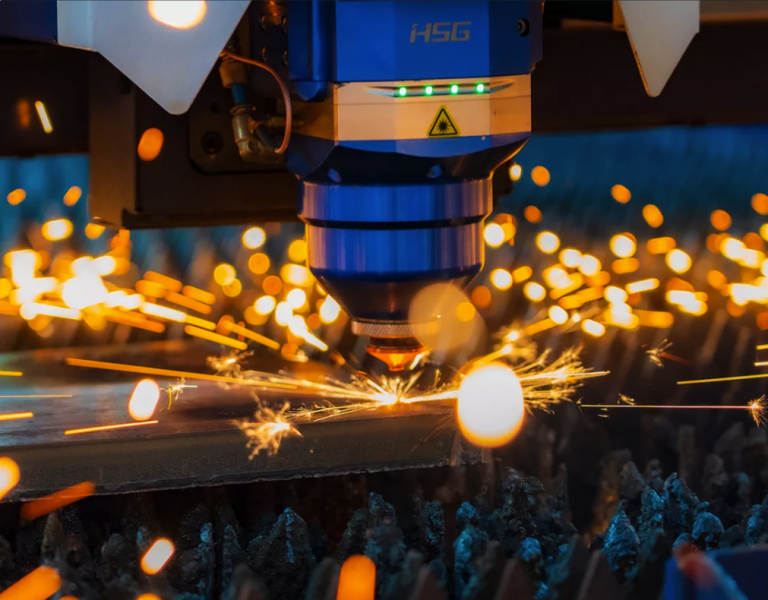
- Laser Cutting: For intricate designs and precision.
- Hydroforming: Uses fluid pressure to shape zinc.
- CNC Machining: Offers high precision and repeatability.
Safety First: Handling Zinc with Care
Safety is paramount when working with zinc. Keep these tips in mind:
- Wear Protective Gear: Gloves, goggles, and masks are essential.
- Ensure Proper Ventilation: Zinc fumes can be hazardous.
- Handle with Care: Avoid sharp edges and heavy lifting without assistance.
Future Trends in Zinc Fabrication
The future of zinc fabrication is bright, with trends leaning towards sustainability and innovation:
- Eco-Friendly Practices: Increased focus on recycling and reducing waste.
- Advanced Technologies: Integration of AI and robotics in fabrication processes.
- Customization: Growing demand for bespoke zinc products.
Zinc’s versatility and durability make it a staple in the metal fabrication industry. By mastering the techniques of bending and shaping zinc, fabricators can unlock new possibilities and create stunning, high-quality products. For more insights and resources on mastering zinc fabrication, visit Mastering Zinc: Bending and Shaping Techniques Unveiled.
Zinc is a standout material in metal fabrication due to its versatility, durability, and cost-effectiveness. Its corrosion resistance and malleability make it particularly useful for crafting both intricate designs and robust structures. Common applications include roofing and automotive parts, highlighting zinc’s adaptability across industries. This guide explores essential techniques for bending and shaping zinc, providing valuable insights for fabricators looking to refine their skills and improve their project outcomes.
Buying Advice
- Source Quality Material: Ensure you are purchasing high-grade zinc to prevent impurities that could affect the fabrication process.
- Consider Coatings: Depending on your project, you may need zinc with special coatings for additional protection against environmental elements.
Maintenance Tips
- Regular Cleaning: Use mild soap and water to clean zinc surfaces and prevent buildup of grime and residue.
- Inspect for Corrosion: Although zinc is resistant to corrosion, regular inspections can help catch any early signs of wear.
Performance Specs
- Density: Lightweight, making it easy to handle and transport.
- Corrosion Resistance: Excellent, particularly when exposed to air, forming a protective layer over time.
- Malleability: High, allowing for easy bending and shaping without cracking.
Typical Cost Ranges
The cost of zinc varies depending on market conditions, with typical prices ranging from $1.50 to $2.50 per pound. Bulk purchases may offer discounts.
Frequently Asked Questions
What are the best techniques for bending zinc? Using a press brake or rolling machine is recommended for achieving precise bends in zinc sheets.
Is zinc suitable for outdoor applications? Yes, zinc is highly resistant to corrosion, making it ideal for outdoor use.
Can zinc be welded easily? Yes, but it’s important to use appropriate techniques and equipment to ensure strong, clean welds.
How does zinc compare to other metals in terms of cost? Zinc is generally more cost-effective than many other metals, such as copper or stainless steel, while providing similar corrosion resistance.
What safety precautions should be taken when working with zinc? Always use protective gear, such as gloves and eye protection, to prevent injury from sharp edges and metal fragments.
Is zinc environmentally friendly? Zinc is 100% recyclable, which makes it an environmentally friendly choice for many applications.
How can I improve my zinc fabrication skills? Consider enrolling in workshops or online courses focused on metal fabrication techniques.
Mastering Zinc: Bending and Shaping Techniques Unveiled