Mastering Steel Bending: Techniques and Key Factors
Steel bending is a fundamental process in the metal fabrication industry, playing a crucial role in creating everything from simple brackets to complex architectural structures. For buyers of metal fabrication equipment, understanding the nuances of steel bending can significantly impact the quality and efficiency of their operations. This article explores the essential techniques and factors involved in mastering steel bending, offering insights into the tools, methods, and innovations shaping this vital process.
Understanding the Basics of Steel Bending
Steel bending involves deforming steel into a desired shape without breaking it. This process is essential in manufacturing components for various industries, including construction, automotive, and aerospace. Key elements of steel bending include:
- Material properties: Understanding the tensile strength and ductility of the steel being used.
- Bending methods: Techniques such as air bending, bottoming, and coining.
- Bend radius: The minimum radius that can be achieved without damaging the material.
Why Steel Bending is Crucial in Fabrication
Steel bending is integral to fabrication for several reasons:
- Versatility: It allows for the creation of complex shapes and structures.
- Strength: Properly bent steel maintains its strength and integrity.
- Efficiency: Reduces the need for welding and additional assembly processes.
“Without steel bending, the versatility and efficiency of metal fabrication would be significantly limited.”
Key Techniques for Effective Steel Bending
Several techniques are employed in steel bending, each with its own advantages:
- Air Bending: Uses a punch to press the steel into a die, allowing for flexibility in bend angles.
- Bottoming: The punch and die are brought together to form the bend, offering greater precision.
- Coining: Involves pressing the material into the die with high force, resulting in precise bends.
The Role of Temperature in Steel Bending
Temperature plays a critical role in steel bending:
- Cold Bending: Performed at room temperature, suitable for materials with high ductility.
- Hot Bending: Involves heating the steel to make it more pliable, ideal for thicker materials.
Understanding the impact of temperature on the steel’s properties is essential for achieving the desired bend without compromising material integrity.
Choosing the Right Tools for Steel Bending
Selecting the appropriate tools is crucial for effective steel bending:
- Press Brakes: Ideal for precision bending of sheet metal.
- Roll Benders: Suitable for creating curves and cylindrical shapes.
- Folding Machines: Used for bending large sheets with minimal force.
“The right tool can make all the difference in achieving a perfect bend.”
Common Mistakes to Avoid in Steel Bending
Avoid these common pitfalls to ensure successful steel bending:
- Incorrect Material Selection: Using the wrong type of steel can lead to cracking or deformation.
- Improper Tool Setup: Ensuring tools are correctly calibrated is essential for precision.
- Ignoring Bend Allowance: Failing to account for material stretch can result in inaccurate dimensions.
How to Ensure Precision in Steel Bending
Precision is key in steel bending, and can be achieved by:
- Accurate Measurements: Double-checking dimensions before bending.
- Consistent Force Application: Ensuring uniform pressure throughout the bend.
- Quality Control: Regularly inspecting bends for defects or inaccuracies.
Safety Tips for Steel Bending Operations
Safety should always be a priority in steel bending operations:
- Protective Gear: Always wear gloves, goggles, and other protective equipment.
- Machine Maintenance: Regularly inspect and maintain equipment to prevent accidents.
- Training: Ensure all operators are properly trained in machine use and safety protocols.
Innovations in Steel Bending Technology
Recent advancements have transformed steel bending:
- CNC Machines: Offer unparalleled precision and repeatability.
- Automated Systems: Reduce manual labor and increase efficiency.
- Advanced Materials: New steel alloys provide greater flexibility and strength.
Future Trends in Steel Bending Techniques
Looking ahead, several trends are shaping the future of steel bending:
- Sustainability: Eco-friendly practices and materials are becoming more prevalent.
- Digital Integration: Smart technologies and IoT are enhancing process control.
- Customization: Increasing demand for bespoke solutions is driving innovation.
Mastering steel bending is essential for any metal fabrication company looking to enhance its capabilities and product offerings. By understanding the techniques, tools, and trends in steel bending, buyers can make informed decisions that improve efficiency and quality. For more information on mastering steel bending techniques and key factors, visit Mastering Steel Bending: Techniques and Key Factors.
Steel bending is an essential process in the metal fabrication industry, integral to producing everything from simple brackets to intricate architectural structures. For buyers of metal fabrication equipment, comprehending the nuances of steel bending can notably influence the quality and efficiency of their operations. This overview explores key techniques and factors in mastering steel bending, providing insights into the tools, methods, and innovations that shape this crucial process. Understanding the basics of steel bending involves deforming steel into a desired shape without breaking it, a process vital in manufacturing components for various industries.
Maintenance Tips
- Regularly inspect bending machines for wear and tear to ensure precision and safety.
- Lubricate moving parts frequently to prevent friction and wear.
- Calibrate tools periodically to maintain accuracy in bends.
- Keep the workspace clean to avoid contamination of the steel surfaces.
Typical Cost Ranges
The cost of steel bending equipment can vary widely depending on the type and capability. Basic manual benders may cost around $500 to $2,000, while advanced CNC bending machines can range from $50,000 to over $200,000.
Performance Specs
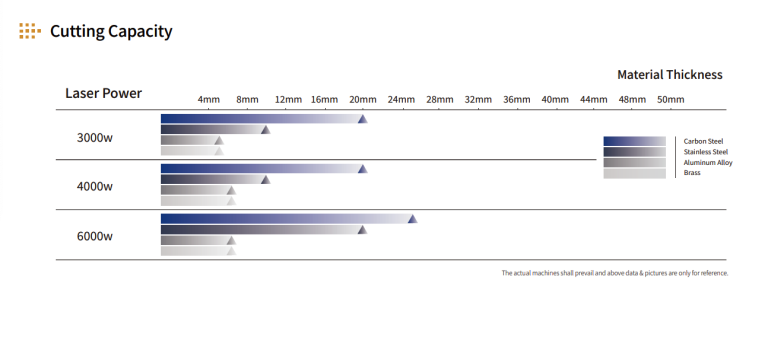
- Bending Capacity: Up to 12 mm thickness for steel sheets.
- Accuracy: +/- 0.1 mm for CNC machines.
- Speed: Approximately 1-2 meters per minute depending on complexity.
- Power: Typically between 5-20 kW for industrial machines.
Buying Advice
- Consider the types of projects and materials most frequently used to choose the appropriate bending machine.
- Evaluate the machine’s flexibility and ease of use, particularly for complex bends.
- Assess the after-sales service and availability of spare parts.
- Look for machines with energy-efficient features to reduce operational costs.
FAQs
What is the minimum bend radius for steel?
The minimum bend radius depends on the type of steel and its thickness. Generally, it is about 1 to 1.5 times the thickness of the steel sheet.
How does temperature affect steel bending?
Higher temperatures can make steel easier to bend by reducing its yield strength, but it is important to control the temperature to avoid compromising the steel’s properties.
What is springback in steel bending?
Springback is the tendency of metal to partially return to its original shape after bending. It must be compensated for during the bending process.
Are there environmentally friendly options for steel bending?
Yes, using energy-efficient machines and optimizing material usage can reduce the environmental impact of steel bending.
Can all types of steel be bent?
Most steels can be bent, but the ease of bending depends on the steel’s composition and heat treatment.
How do I choose the right bending machine for my needs?
Consider factors such as the thickness and type of materials, the complexity of bends, production volume, and budget.
Mastering Steel Bending: Techniques and Key Factors