Mastering Metal Shearing: Edge Quality & Stress Insights
In the world of metal fabrication, shearing is a fundamental process that involves cutting sheet metal to size out of a larger stock. This process is crucial for creating parts with precise dimensions and clean edges. For buyers of metal fabrication equipment, understanding the intricacies of metal shearing can lead to better purchasing decisions and improved operational efficiency. In this article, we delve into the essentials of mastering metal shearing, focusing on edge quality and stress insights.
Understanding Metal Shearing Basics
Metal shearing is a cutting process that uses shear force to cut through metal sheets. This technique is widely used due to its ability to produce straight cuts quickly and efficiently. The process involves a moving blade and a fixed blade, where the metal is placed between the two. When the moving blade descends, it shears the metal, much like a pair of scissors cutting paper. Key components include:
- Shear Blades: The quality and sharpness of the blades significantly impact the shearing process.
- Clearance: The gap between the blades must be precisely set for optimal cutting.
- Material Thickness: Different thicknesses require adjustments in machine settings.
Why Edge Quality Matters in Shearing
Edge quality is a critical factor in metal shearing as it affects the functionality and aesthetics of the final product. Poor edge quality can lead to:
- Increased Post-Processing: Rough edges may require additional finishing work.
- Structural Integrity Issues: Defects can weaken the material, leading to failures.
- Aesthetic Concerns: Visible imperfections can be undesirable in consumer-facing products.
Common Edge Defects and How to Avoid Them
Several common edge defects can occur during shearing, including:
-
Burrs: Raised edges or small pieces of material left on the edge.
- Solution: Ensure blades are sharp and properly aligned.
-
Distortion: Warping or bending of the metal.
- Solution: Adjust the clearance and reduce cutting speed.
-
Tearing: Irregular or jagged edges.
- Solution: Use the correct blade angle and maintain proper tension.
The Role of Stress in Metal Shearing
Stress plays a significant role in the shearing process. When metal is sheared, it undergoes deformation, which can lead to residual stress. This stress can cause:
- Material Warping: Post-shearing deformation.
- Cracking: Especially in brittle materials.
- Reduced Fatigue Life: Long-term durability issues.
Understanding and managing stress is crucial for maintaining the quality and longevity of the sheared parts.
Tools and Techniques for Better Edge Quality
Achieving high-quality edges requires the right tools and techniques:
- Quality Shear Blades: Invest in high-quality, durable blades.
- Regular Maintenance: Keep equipment well-maintained to ensure precision.
- Proper Setup: Calibrate machines correctly for the material being used.
How Material Type Affects Shearing
Different materials react differently to the shearing process. Key considerations include:
- Ductility: More ductile materials may produce cleaner cuts.
- Thickness: Thicker materials require more force and precise settings.
- Hardness: Harder materials can dull blades faster.
Tips for Reducing Stress During Shearing
To minimize stress during the shearing process, consider the following tips:
- Optimize Blade Clearance: Proper clearance reduces unnecessary force.
- Control Cutting Speed: Adjust speed to suit the material and thickness.
- Pre-Heat Treatment: For certain metals, pre-heating can reduce stress.
Innovations in Shearing Technology
Recent advancements in shearing technology have improved efficiency and quality:
- CNC Shearing Machines: Offer precision and repeatability.
- Laser-Assisted Shearing: Reduces stress and improves edge quality.
- Automated Systems: Enhance productivity and reduce human error.
Troubleshooting Shearing Problems
When issues arise, a systematic approach to troubleshooting can help:
- Inspect Blades: Check for sharpness and alignment.
- Review Machine Settings: Ensure settings match material specifications.
- Analyze Material: Consider if the material is suitable for shearing.
Future Trends in Metal Shearing Techniques
The future of metal shearing looks promising with trends such as:
- Smart Shearing Systems: Integration of IoT for real-time monitoring.
- Sustainable Practices: Focus on reducing waste and energy consumption.
- Advanced Materials: Development of materials designed for easier shearing.
Mastering metal shearing is essential for any metal fabrication company aiming to produce high-quality products efficiently. By understanding the basics, recognizing the importance of edge quality, and staying updated with technological advancements, buyers can make informed decisions about their equipment purchases. For more insights into mastering metal shearing, visit Mastering Metal Shearing: Edge Quality & Stress Insights.
Metal shearing is a foundational process in metal fabrication, essential for cutting sheet metal to precise dimensions with clean edges from larger stock. This technique, which employs shear force to slice through metal sheets, is vital for creating components with exact specifications and minimal material waste. By mastering this process, manufacturers can achieve superior edge quality and manage stress distribution effectively, leading to enhanced product quality and operational efficiency. For those investing in metal fabrication equipment, a deep understanding of the shearing process can inform better purchasing decisions and optimize workflow.
Maintenance Tips
- Regularly inspect and sharpen blades to maintain cutting precision.
- Check and adjust blade clearance to prevent metal deformation.
- Lubricate moving parts to reduce wear and tear.
- Conduct routine inspections for alignment to ensure accurate cuts.
Typical Cost Ranges
The cost of metal shearing machines varies widely based on capacity, size, and features. Entry-level machines may start around $5,000, while high-capacity industrial models can exceed $100,000. Additional features such as CNC controls and automated feeding systems may increase the price.
Performance Specs
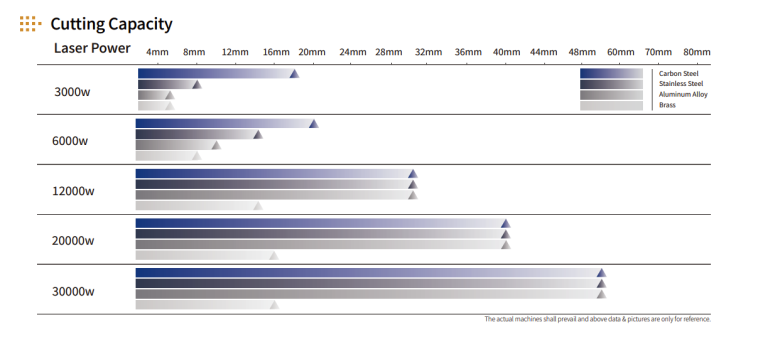
- Cutting Thickness: Typically ranges from 0.5 mm to 25 mm.
- Cutting Length: Can vary from 500 mm to over 6,000 mm.
- Shearing Angle: Adjustable angles for different materials and thicknesses.
- Blade Material: High-carbon steel or carbide for durability.
Buying Advice
When purchasing a metal shearing machine, consider the following:
- Assess the volume and type of materials you will be cutting.
- Consider the precision level required for your projects.
- Evaluate the availability of spare parts and technical support.
- Ensure the machine’s capacity matches your production needs.
FAQs
What is the main advantage of using a metal shearing process?
The main advantage is its ability to produce straight cuts with clean edges and minimal waste, which is essential for precision fabrication.
How do I choose the right blade material?
Choose high-carbon steel blades for general use and carbide blades for cutting harder materials to ensure durability and longevity.
Can metal shearing machines cut all types of metal?
While they can cut a wide range of metals, the machine’s capacity will determine the thickness and type of metal that can be efficiently cut.
What factors affect the quality of a sheared edge?
Blade sharpness, clearance, shearing angle, and machine alignment all play crucial roles in determining edge quality.
Is it possible to automate the shearing process?
Yes, many modern shearing machines feature CNC controls and automated feeding systems to enhance productivity and precision.
How often should blades be replaced or sharpened?
This depends on usage frequency and material type but generally, blades should be inspected regularly and sharpened as needed to maintain cutting performance.
What safety measures should be taken during the shearing process?
Operators should wear appropriate protective gear, ensure all guards are in place, and follow the manufacturer’s safety guidelines to prevent accidents.
Mastering Metal Shearing: Edge Quality & Stress Insights