Mastering Material Thickness in Precision Cutting
In the world of metal fabrication, precision cutting is a critical component that can make or break the quality of a finished product. For buyers of brake presses, shears, folders, and roll formers, understanding the nuances of material thickness is essential. This article will guide you through the basics of material thickness, why it matters, the tools and techniques for measuring and cutting, and the future trends in precision cutting technology.
Understanding Material Thickness Basics
Material thickness refers to the measurement of a material’s depth or width from one surface to the opposite surface. In metal fabrication, this measurement is crucial as it affects the choice of cutting tools and techniques. Gauge is a common unit of measurement, with lower numbers indicating thicker materials. Understanding these basics helps in selecting the right equipment and settings for your cutting tasks.
Why Thickness Matters in Precision Cutting
The thickness of the material directly influences the cutting process. Here’s why it matters:
- Tool Selection: Thicker materials may require more robust tools.
- Cutting Speed: Thicker materials often slow down the cutting process.
- Quality of Cut: Incorrect thickness estimation can lead to poor edge quality.
- Cost Efficiency: Accurate thickness measurement ensures minimal material waste.
Tools for Measuring Material Thickness
Accurate measurement is the first step in mastering material thickness. Here are some tools commonly used:
- Calipers: Ideal for precise measurements.
- Micrometers: Offers high precision for small thicknesses.
- Ultrasonic Thickness Gauges: Useful for non-destructive testing of larger materials.
Each tool has its strengths and is chosen based on the specific requirements of the task.
Choosing the Right Cutting Technique
Selecting the appropriate cutting technique is crucial for achieving precision. Consider the following:
- Material Type: Different metals may require different cutting methods.
- Thickness: Thicker materials might need more powerful cutting tools.
- Desired Finish: Some techniques provide smoother edges than others.
Laser vs. Plasma: Which Cuts Better?
When it comes to precision cutting, both laser and plasma cutters have their advantages:
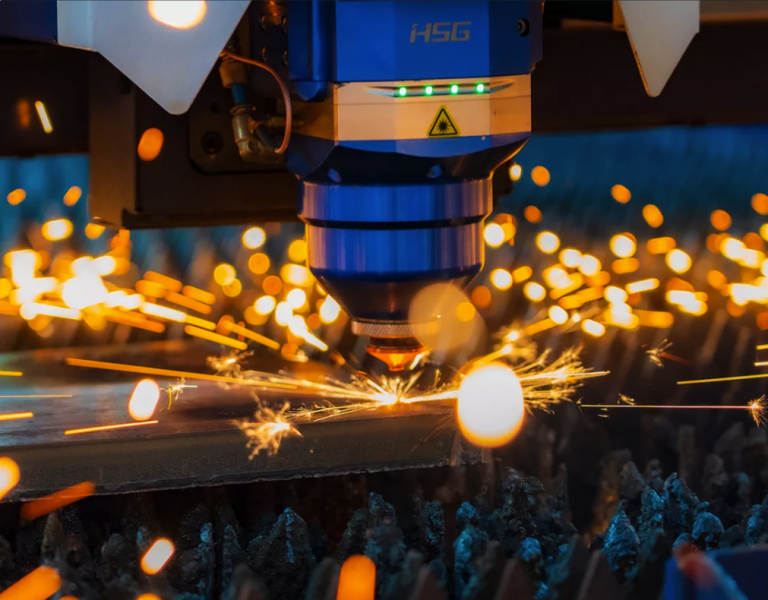
- Laser Cutting: Offers high precision and is ideal for thin materials.
- Plasma Cutting: Suitable for thicker materials and faster cutting speeds.
The choice between the two often depends on the material thickness and the specific requirements of the project.
Adjusting Settings for Different Thicknesses
To achieve the best results, it’s essential to adjust your machine settings according to the material thickness:
- Power Settings: Increase power for thicker materials.
- Speed: Slower speeds may be necessary for thicker materials to ensure a clean cut.
- Focus: Adjust the focus of the laser or plasma beam for optimal results.
Common Mistakes in Thickness Estimation
Avoid these common pitfalls to ensure accurate thickness measurement:
- Using the Wrong Tools: Ensure you use the appropriate tool for the material.
- Ignoring Material Variability: Different batches may have slight thickness variations.
- Rushing the Process: Take your time to ensure precise measurements.
How Material Type Affects Cutting
Different materials respond differently to cutting techniques:
- Steel: Requires high power and slower speeds.
- Aluminum: Cuts faster but may require different settings.
- Stainless Steel: Needs careful handling to avoid warping.
Understanding these differences helps in selecting the right cutting method and settings.
Tips for Consistent Cutting Quality
Consistency is key in precision cutting. Here are some tips:
- Regular Calibration: Ensure your equipment is regularly calibrated.
- Routine Maintenance: Keep your tools in top condition.
- Training: Ensure operators are well-trained in using the equipment.
Future Trends in Precision Cutting Tech
The world of precision cutting is constantly evolving. Here are some trends to watch:
- Automation: Increasing use of automated systems for precision.
- Advanced Materials: New materials requiring innovative cutting techniques.
- Smart Technology: Integration of AI for improved accuracy and efficiency.
Mastering material thickness in precision cutting is an ongoing journey that involves understanding the basics, choosing the right tools and techniques, and staying updated with the latest trends. For more insights and resources, visit Mastering Material Thickness in Precision Cutting.
In the realm of metal fabrication, precision cutting is a crucial process that affects the overall quality and functionality of the finished product. Mastering material thickness is key for operators of brake presses, shears, folders, and roll formers. This overview will explore the essentials of material thickness, its significance, the tools and techniques used for accurate measurement and cutting, and emerging trends in precision cutting technology. Understanding material thickness involves measuring the depth or width of a material from one surface to another, which directly impacts the efficiency and precision of metal fabrication processes.
Maintenance Tips
- Regularly calibrate measurement tools to maintain accuracy in thickness measurements.
- Ensure cutting equipment is clean and free from debris to prevent inaccurate cuts.
- Inspect blades and other cutting components for wear and replace them as needed to maintain precision.
- Lubricate moving parts of machinery to reduce friction and wear over time.
Typical Cost Ranges
The cost of precision cutting tools and machinery can vary widely based on the type and specifications. Basic tools like calipers can start as low as $20, while advanced CNC machines can range from $10,000 to over $100,000 depending on the features and capabilities.
Performance Specs
- Accuracy: High-precision machines can achieve tolerances as tight as ±0.001 inches.
- Speed: Cutting speeds can range from 10 inches per minute (IPM) for thicker materials to over 100 IPM for thinner materials.
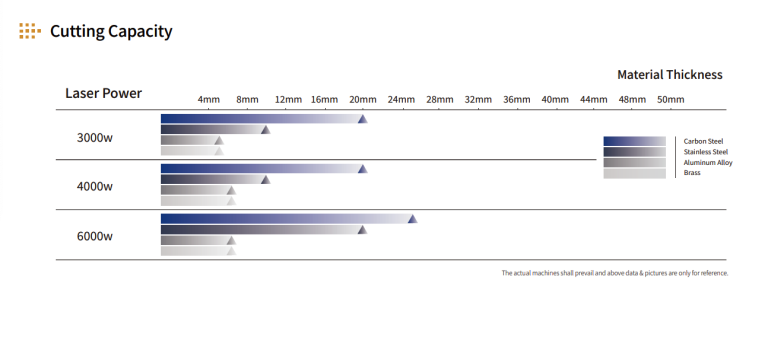
- Capacity: Machines are available to handle materials from 0.5mm to over 50mm in thickness.
Buying Advice
When purchasing precision cutting equipment, consider the range of material thicknesses you will be working with and choose a machine that offers the necessary precision and capacity. Evaluate the machine’s compatibility with existing systems and its ease of use. Additionally, consider the long-term maintenance costs and the availability of technical support from the manufacturer.
FAQs
- What is material thickness? Material thickness refers to the measurement of a material’s depth or width from one surface to the opposite surface.
- Why is material thickness important in metal fabrication? It’s crucial because it affects the strength, durability, and weight of the finished product, as well as the performance of the cutting equipment.
- What tools are used for measuring material thickness? Common tools include calipers, micrometers, and thickness gauges.
- How often should cutting tools be replaced? It depends on usage, but generally, blades should be inspected regularly and replaced when signs of wear are evident to maintain precision.
- Are there new trends in precision cutting technology? Yes, advancements include laser cutting and automated CNC machines that offer higher precision and efficiency.
- Can precision cutting be used on all materials? While primarily used for metals, precision cutting techniques can be adapted for use on other materials like plastics and composites.
Mastering Material Thickness in Precision Cutting