Mastering 2D Laser Cutting: Precision Unleashed
In the world of metal fabrication, precision is paramount. For buyers of brake presses, shears, folders, and roll formers, understanding the intricacies of 2D laser cutting can be a game-changer. This article delves into the essentials of mastering 2D laser cutting, from grasping the basics to troubleshooting common issues. Whether you’re new to the field or looking to refine your skills, this guide will help you unleash the full potential of laser cutting technology.
Understanding the Basics of 2D Laser Cutting
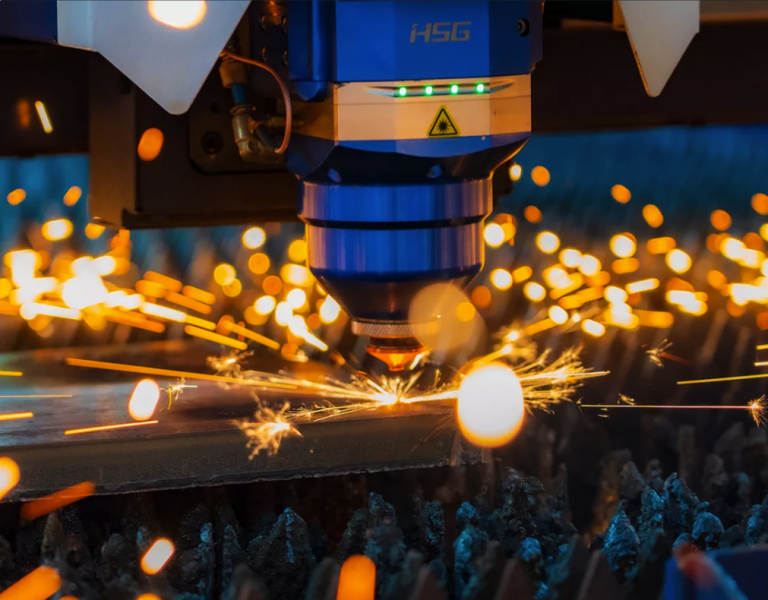
2D laser cutting is a process that uses a high-powered laser beam to cut flat sheet materials into precise shapes and designs. This technology is widely used in metal fabrication due to its accuracy and efficiency. Here are some fundamental aspects to consider:
- Laser Types: The most common lasers used in 2D cutting are CO2 and fiber lasers. "CO2 lasers are ideal for cutting non-metal materials and thicker metals, while fiber lasers excel in cutting thin metals and reflective materials."
- Materials: 2D laser cutting is versatile and can be used on a variety of materials, including steel, aluminum, and titanium.
- Cutting Process: The laser beam melts, burns, or vaporizes the material, producing a high-quality cut with minimal waste.
Understanding these basics is crucial for selecting the right equipment and optimizing your cutting processes.
Key Techniques for Precision and Efficiency
Achieving precision and efficiency in 2D laser cutting requires mastering several key techniques:
- Focus on Beam Quality: The quality of the laser beam directly affects the cut’s precision. Ensure your laser is well-maintained and calibrated.
- Optimize Cutting Speed: Finding the right balance between speed and quality is essential. "Too fast, and you risk compromising the cut quality; too slow, and you waste valuable production time."
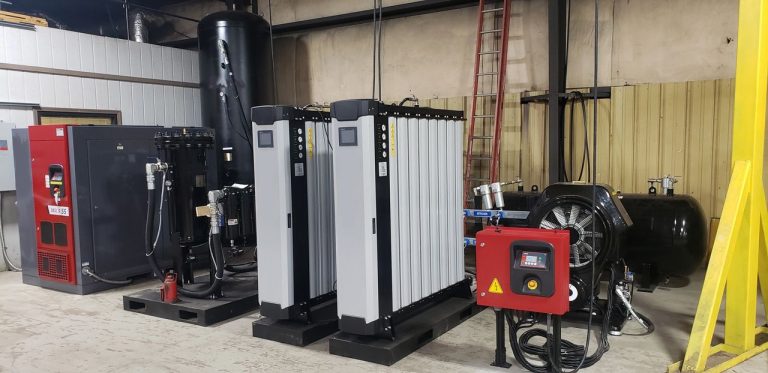
- Use Assist Gases: Employing gases like oxygen or nitrogen can enhance cutting speed and quality. Oxygen is often used for thicker materials, while nitrogen is ideal for stainless steel and aluminum.
- Regular Maintenance: Keep your laser cutting equipment in top condition with regular maintenance checks and cleaning.
By implementing these techniques, you can significantly improve your cutting precision and operational efficiency.
Troubleshooting Common Laser Cutting Issues
Even with advanced technology, laser cutting can present challenges. Here are some common issues and how to address them:
- Poor Edge Quality: This can be caused by incorrect focus settings or worn-out nozzles. "Regularly check and adjust your focus settings and replace nozzles as needed."
- Inconsistent Cuts: Variations in material thickness or laser power can lead to inconsistent cuts. Ensure your materials are uniform and your laser settings are consistent.
- Burn Marks: Excessive heat can cause burn marks on the material. Adjust your cutting speed and assist gas settings to minimize heat exposure.
By understanding and addressing these common issues, you can maintain high-quality output and reduce downtime.
Mastering 2D laser cutting is essential for any metal fabrication company looking to enhance precision and efficiency. By understanding the basics, implementing key techniques, and troubleshooting common issues, you can unlock the full potential of this powerful technology. For more insights and resources on mastering 2D laser cutting, visit Precision Unleashed.
Mastering 2D Laser Cutting: Precision Unleashed is an essential guide for professionals in the metal fabrication industry, where precision is crucial. This article provides a comprehensive understanding of 2D laser cutting, a process that employs high-powered lasers to cut flat sheet materials with extreme accuracy. Perfect for both newcomers and seasoned professionals, the guide covers everything from the fundamental principles to advanced troubleshooting tips, aiming to enhance your skills and maximize the potential of laser cutting technology.
Maintenance Tips
- Regularly clean the laser lens and mirrors to ensure optimal performance.
- Check and calibrate the alignment of the laser beam periodically.
- Inspect and replace filters to maintain proper ventilation and cooling.
- Lubricate moving parts to prevent wear and tear.
Typical Cost Ranges
The cost of 2D laser cutting machines can vary significantly based on the machine’s capabilities and brand. Entry-level models may start around $10,000, while advanced industrial machines can exceed $500,000.
Performance Specs
- Cutting Speed: Up to 1200 inches per minute depending on material and thickness.
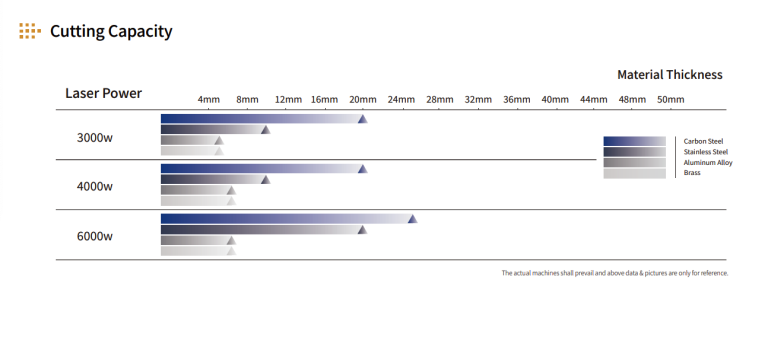
- Material Thickness: Typically up to 1 inch for steel, 0.5 inches for aluminum.
- Precision: Within 0.001 inches for high-quality machines.
Buying Advice
- Assess your material needs and choose a machine that can handle the thickness and type of metals you work with.
- Consider the machine’s power rating; higher wattage often means faster and thicker cutting capabilities.
- Look for machines with user-friendly software and interfaces to reduce the learning curve.
- Evaluate the availability of customer support and service options from the manufacturer.
FAQs
What materials can a 2D laser cutter handle?
A 2D laser cutter can handle a variety of materials including steel, aluminum, brass, and some plastics, depending on the machine’s power and specifications.
How does laser cutting compare to traditional cutting methods?
Laser cutting offers greater precision, cleaner cuts, and the ability to handle complex shapes compared to traditional cutting methods like sawing or shearing.
What safety precautions should be taken when using a laser cutter?
Always wear appropriate eye protection, ensure proper ventilation, and follow all manufacturer guidelines to prevent accidents and injuries.
How often should the laser cutter be serviced?
Regular maintenance should be performed monthly, with a professional service check annually to ensure the machine remains in optimal condition.
Can laser cutters be used for engraving as well?
Yes, many laser cutters can also be used for engraving by adjusting the power and speed settings.
Mastering 2D Laser Cutting: Precision Unleashed