Kickstart Your Metal Fabrication Business: Expert Tips
Starting a metal fabrication business can be both exciting and daunting. With the right knowledge, tools, and team, you can carve out a successful niche in this competitive industry. Whether you’re just getting started or looking to expand, these expert tips will help you kickstart your metal fabrication business and set you on the path to success.
Understanding the Metal Fabrication Market
To thrive in the metal fabrication industry, it’s crucial to have a solid understanding of the market landscape. Here are some key points to consider:
- Market Trends: Stay updated on the latest trends, such as automation and sustainability, which are shaping the industry. This will help you make informed decisions about which technologies and processes to adopt.
- Target Audience: Identify your target market, whether it’s construction, automotive, or aerospace. Understanding your audience will allow you to tailor your services to meet their specific needs.
- Competitive Analysis: Analyze your competitors to understand their strengths and weaknesses. This will help you identify opportunities to differentiate your business and offer unique value to your clients.
- Regulatory Environment: Familiarize yourself with industry regulations and standards. Compliance is crucial for maintaining credibility and avoiding legal issues.
Essential Tools for Metal Fabrication Success
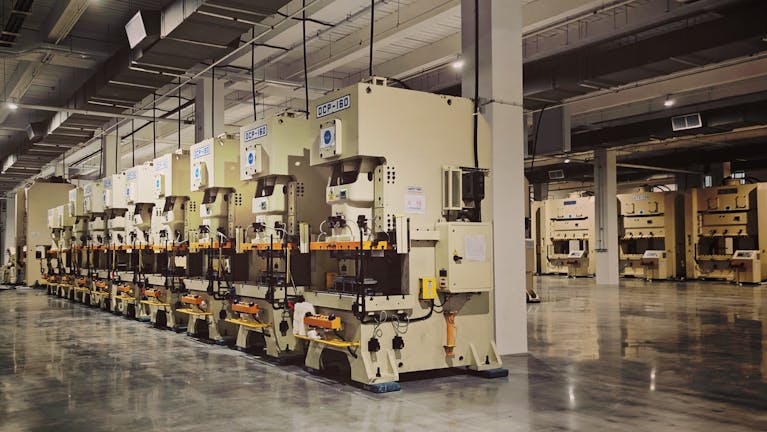
Equipping your business with the right tools is fundamental to ensuring efficiency and quality in your operations. Here’s a list of essential equipment:
- Brake Presses: Used for bending sheet metal into precise shapes. Consider investing in a CNC brake press for enhanced precision and automation.
- Shears: Essential for cutting metal sheets. Hydraulic shears offer power and efficiency for high-volume operations.
- Folders: Perfect for creating complex folds and bends in metal sheets. Look for models that offer versatility and ease of use.
- Roll Formers: Ideal for producing long lengths of metal profiles. Choose a roll former that suits the specific profiles you plan to manufacture.
- Welding Equipment: A must-have for joining metal parts. Consider MIG, TIG, or stick welding machines depending on your specific needs.
Pro Tip: Invest in high-quality tools and equipment to ensure durability and reliability. This will save you money in the long run by reducing maintenance costs and downtime.
Building a Skilled Metal Fabrication Team
A skilled team is the backbone of any successful metal fabrication business. Here’s how to build and maintain a top-notch team:
- Recruitment: Hire experienced professionals who have a strong background in metal fabrication. Look for candidates with certifications and a proven track record of success.
- Training: Provide ongoing training to keep your team updated on the latest technologies and techniques. This will help them stay competitive and efficient.
- Safety: Prioritize safety by implementing strict safety protocols and providing regular safety training. This will protect your team and minimize the risk of accidents.
- Culture: Foster a positive work environment that encourages collaboration and innovation. A motivated team is more likely to go the extra mile to achieve business goals.
Remember: Your team is your greatest asset. Invest in their growth and well-being to ensure the long-term success of your business.
Kickstarting your metal fabrication business requires a strategic approach that combines market knowledge, the right tools, and a skilled team. By focusing on these key areas, you can position your business for success in a competitive industry. For more insights and resources on how to grow your metal fabrication business, visit Kickstart Your Metal Fabrication Business: Expert Tips.
Starting a metal fabrication business combines the thrill of entrepreneurship with the challenges of a competitive industry. Success hinges on understanding the market landscape, investing in the right tools and technology, and assembling a skilled team. Whether you’re launching a new venture or expanding an existing one, staying informed about industry trends like automation and sustainability is crucial. This guide offers expert insights to help you navigate the complexities of the metal fabrication market, ensuring your business thrives.
Maintenance Tips
- Regularly inspect machinery for wear and tear; preventative maintenance can prevent costly downtime.
- Keep tools and machines clean and properly lubricated to ensure smooth operation.
- Train staff on proper equipment handling and safety protocols to extend the lifespan of your machinery.
Typical Cost Ranges
The cost of starting a metal fabrication business can vary widely based on factors like location, size, and equipment needs. Generally, initial investments can range from $50,000 to $500,000, covering expenses like machinery, workspace, and initial materials.
Performance Specs
- Machinery Precision: Look for machines with high precision capabilities, typically within ±0.005 inches.
- Production Speed: Evaluate equipment that offers efficient cycle times to maximize output.
- Material Compatibility: Ensure machines can handle a variety of metals such as steel, aluminum, and copper.
Buying Advice
- Invest in versatile machinery that can handle multiple tasks to maximize your ROI.
- Consider the total cost of ownership, including maintenance and operational costs, when purchasing equipment.
- Seek out financing options or leasing programs if upfront capital is a concern.
FAQs
What are the key skills needed to run a metal fabrication business?
Key skills include understanding fabrication techniques, business management, and knowledge of industry regulations.
How important is location for a metal fabrication business?
Location is crucial for access to suppliers, customers, and skilled labor, as well as for logistical efficiency.
What are the latest trends in metal fabrication?
Automation, sustainability, and the use of advanced materials like composites are trending in the industry.
How can I ensure my business is environmentally sustainable?
Implement recycling programs, reduce waste, and invest in energy-efficient machinery.
What types of insurance should a metal fabrication business have?
Consider general liability, worker’s compensation, and equipment insurance to protect your business.
How do I find skilled workers for my metal fabrication shop?
Partner with local trade schools, offer competitive benefits, and provide on-the-job training to attract skilled labor.
Kickstart Your Metal Fabrication Business: Expert Tips