Industrial Lasers: Cutting, Welding, and Beyond
In the world of metal fabrication, precision, speed, and efficiency are paramount. As technology continues to evolve, industrial lasers have emerged as a transformative tool in this industry. From cutting and welding to innovative applications beyond traditional uses, lasers are reshaping how metal fabrication companies operate. This article delves into the power of industrial lasers, exploring their capabilities in cutting, welding, and beyond.
Discover the Power of Industrial Lasers
Industrial lasers have revolutionized the metal fabrication industry, offering unparalleled precision and versatility. These high-powered beams of light are capable of cutting, welding, and even engraving a wide range of materials with remarkable accuracy. The ability to focus energy into a small, precise area allows lasers to perform tasks that were once considered impossible or too complex with traditional machinery.
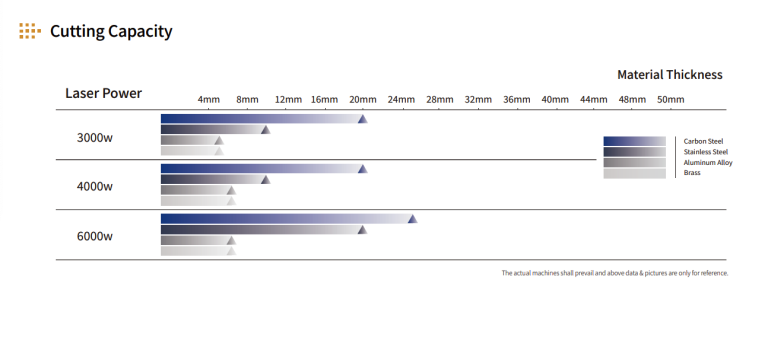
The power of industrial lasers lies in their adaptability. Whether working with thin sheets of metal or thick, robust materials, lasers can be adjusted to suit the specific requirements of a project. This flexibility makes them an invaluable tool for metal fabrication companies looking to enhance their production capabilities and meet the diverse needs of their clients.
Moreover, the integration of computer numerical control (CNC) technology with lasers has further enhanced their functionality. CNC-controlled lasers can execute intricate designs and patterns with minimal human intervention, reducing errors and increasing efficiency. This combination of precision and automation is what makes industrial lasers a game-changer in the metal fabrication industry.
Cutting with Precision and Speed
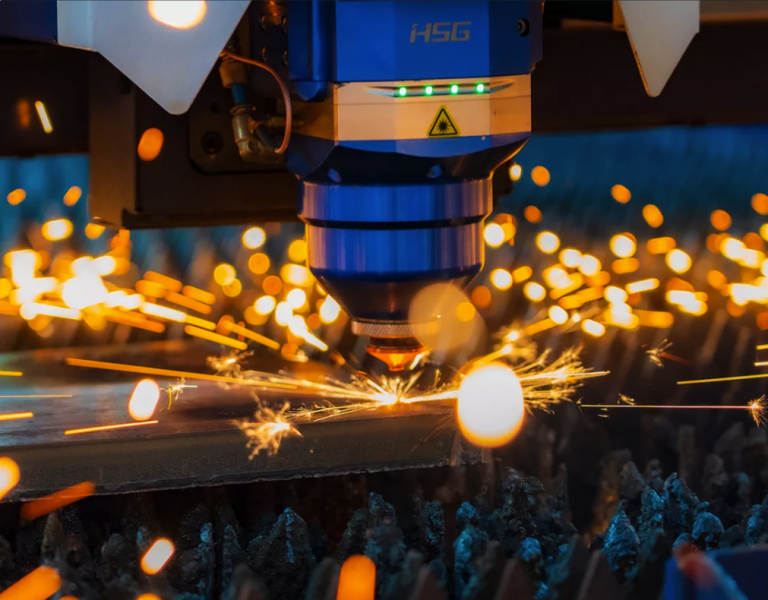
When it comes to cutting, industrial lasers offer unmatched precision and speed. Unlike traditional cutting methods, which can be cumbersome and time-consuming, laser cutting is fast and efficient. The concentrated beam of light can slice through metal with ease, leaving clean, burr-free edges that require little to no post-processing.
One of the key advantages of laser cutting is its ability to handle complex geometries and intricate designs. Whether it’s creating detailed patterns or cutting out intricate shapes, lasers can achieve a level of detail that is difficult to replicate with other cutting tools. This precision is particularly valuable in industries where accuracy is critical, such as aerospace and automotive manufacturing.
Additionally, laser cutting is a non-contact process, meaning there is no physical tool that touches the material. This reduces the risk of contamination and damage to the workpiece, ensuring a high-quality finish. The speed and precision of laser cutting not only improve productivity but also open up new possibilities for creative and innovative designs in metal fabrication.
Welding: Seamless and Efficient
Industrial lasers are not just limited to cutting; they also excel in welding applications. Laser welding offers a seamless and efficient way to join metal parts, producing strong and durable welds with minimal distortion. The concentrated heat source of the laser allows for precise control over the welding process, resulting in high-quality joints that are both aesthetically pleasing and structurally sound.
One of the significant benefits of laser welding is its ability to weld dissimilar materials. Traditional welding methods often struggle with joining different metals due to varying melting points and thermal conductivities. However, lasers can overcome these challenges by precisely controlling the heat input, allowing for successful welding of materials like aluminum to steel or copper to titanium.
Furthermore, laser welding is a fast process that can be easily automated, making it ideal for high-volume production environments. The ability to produce consistent, high-quality welds with minimal human intervention reduces labor costs and increases overall efficiency. For metal fabrication companies, this means improved productivity and the ability to take on more complex projects.
Beyond Basics: Innovative Laser Uses
While cutting and welding are the most common applications of industrial lasers, their potential extends far beyond these basic functions. Lasers are increasingly being used for innovative applications such as additive manufacturing, surface treatment, and even 3D printing. These advanced uses are opening up new possibilities for metal fabrication companies looking to stay ahead of the competition.
In additive manufacturing, lasers are used to melt and fuse powdered metals layer by layer, creating complex 3D structures. This process, known as laser sintering or laser melting, allows for the production of intricate parts that would be difficult or impossible to achieve with traditional manufacturing methods. The ability to create custom, on-demand parts is a significant advantage for industries such as aerospace and medical device manufacturing.
Lasers are also being used for surface treatment applications, such as laser cleaning and texturing. Laser cleaning is an environmentally friendly way to remove rust, paint, and other contaminants from metal surfaces without the use of chemicals. Laser texturing, on the other hand, can create unique surface patterns and finishes that enhance the aesthetic appeal of metal products.
The versatility and precision of industrial lasers make them an indispensable tool for metal fabrication companies. From cutting and welding to innovative applications like additive manufacturing and surface treatment, lasers are pushing the boundaries of what is possible in the industry. For more information on how industrial lasers can benefit your metal fabrication business, check out {Industrial Lasers: Cutting, Welding, and Beyond}(https://Mac-Tech.com?poyjo).
Industrial lasers have become an indispensable tool in the metal fabrication industry due to their exceptional precision, speed, and versatility. These high-powered beams of light are capable of complex tasks such as cutting, welding, and engraving across a wide range of materials. As the technology advances, industrial lasers are not only enhancing traditional metal fabrication processes but are also being applied in innovative ways, thereby reshaping operational efficiencies in the industry.
Maintenance Tips
- Regularly clean the laser lens to ensure optimal performance and prevent beam distortion.
- Inspect and replace worn-out or damaged nozzles to maintain cutting quality.
- Schedule routine maintenance checks to prevent unexpected downtimes and extend machine life.
- Ensure proper alignment of the laser beam to maximize accuracy and efficiency.
Typical Cost Ranges
The cost of industrial lasers can vary significantly based on power, capabilities, and brand. Entry-level machines may start around $10,000, while more advanced systems, suitable for high-volume production, can exceed $500,000.
Performance Specifications
- Power Output: Typically ranges from 500 watts to 10 kilowatts, depending on the application.
- Precision: Capable of achieving tolerances within ±0.1 mm.
- Cutting Speed: Up to 100 meters per minute for thin materials.
- Material Compatibility: Suitable for metals like steel, aluminum, copper, and titanium.
Buying Advice
- Assess your specific needs and production volume to select the appropriate laser power and features.
- Consider the long-term service and support options offered by the manufacturer.
- Ensure the machine’s software is user-friendly and offers flexibility for future upgrades.
- Evaluate the total cost of ownership, including maintenance and operational expenses.
FAQs
What materials can industrial lasers cut?
Industrial lasers can cut a variety of metals including steel, aluminum, copper, and titanium, as well as non-metallic materials like plastics and ceramics.
How do industrial lasers improve production efficiency?
Industrial lasers offer high precision and speed, reducing the need for secondary processing and minimizing material waste.
Can industrial lasers be used for welding?
Yes, industrial lasers are highly effective for welding applications, providing strong, precise welds with minimal heat distortion.
What safety measures are necessary when operating industrial lasers?
Operators should wear appropriate protective eyewear, and the laser system should be equipped with enclosures and interlocks to prevent accidental exposure.
How do I choose the right industrial laser for my business?
Consider factors such as the type of materials you work with, production volume, desired precision, and available budget when selecting a laser system.
Industrial Lasers: Cutting, Welding, and Beyond