How a Single Equipment Advisor Streamlines Metal Fabrication for Oil and Gas Structural Contractors
Modern shop floors in the oil and gas sector face constant pressure to improve output, lower costs, and meet rigorous specifications. Operations managers know that every minute counts, and every misstep with equipment selection or downtime can mean significant delays and lost revenue. That’s why savvy contractors are turning to the expertise of a single equipment advisor—someone who blends practical work ethic, deep technical credibility, and a hands-on approach to real-world fabrication challenges. An equipment advisor is more than a supplier; they’re a trusted partner who understands both the hard realities of heavy fabrication and the ever-tightening demands of the oil and gas industry.
Understanding the Role of an Equipment Advisor in Metal Fabrication
An equipment advisor acts as an extension of your team, focused relentlessly on making your fabrication shop faster, safer, and more cost-effective. Instead of relying on multiple vendors, each with their own sales pitch and limited understanding of your unique challenges, a single advisor learns your operation inside and out. They analyze your processes, your production requirements, and your past bottlenecks. Working from this insider knowledge, the advisor provides suggestions and guidance that suit your facility’s scale, technical standards, and team skillsets.
From plasma and laser cutters to plate rolls, angle lines, and heavy-duty welders, your equipment advisor will sift through the noise and pinpoint machinery that matches your production goals. For example, recommendations might lean towards CNC plasma tables for intricate profile cutting, automatic beam splitters for consistent structural fabrication, or robotic welding cells to support higher volumes and repeatability. This focused, consultative sales process saves time, removes guesswork, and narrows the field to proven, reliable solutions.
Centralizing Equipment Procurement for Project Efficiency
When every department sources its own tools and machines, results can include duplicated purchases, compatibility headaches, and delays while shopping around for spare parts. Centralizing procurement through a single advisor clears this mess. The advisor organizes every equipment order, spare part, and tooling accessory, building a robust supply chain tailored just for your projects—no more chasing down multiple quotes or improvising solutions mid-build.
This centralization yields real efficiencies: imagine standardizing your plate rolls across projects to cut training time or using compatible drill lines and fit-up tables to improve assembly flow. The advisor often works directly with manufacturers to streamline shipping and installation, translating to a faster ramp-up and less standing around waiting for missing components. For oil and gas contractors, this can be the difference between meeting or missing the critical path of a major project.
Leveraging Advanced Technology Recommendations for Optimal Output
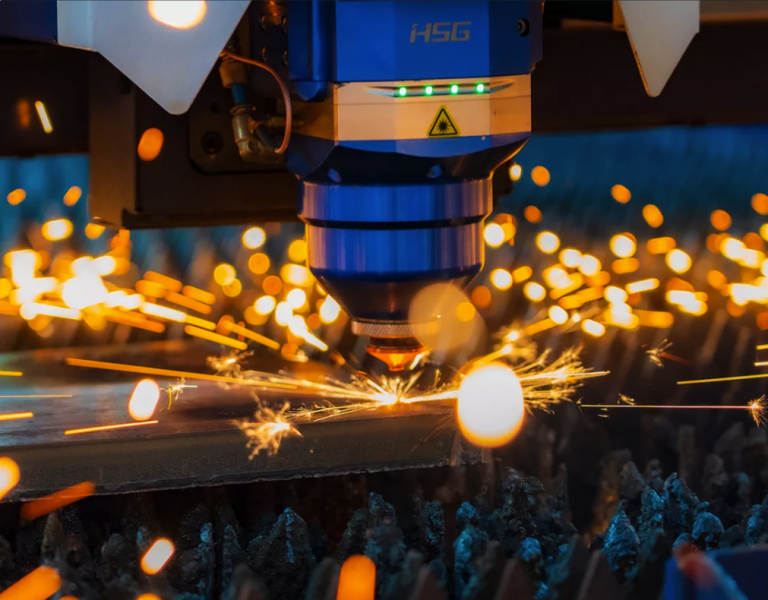
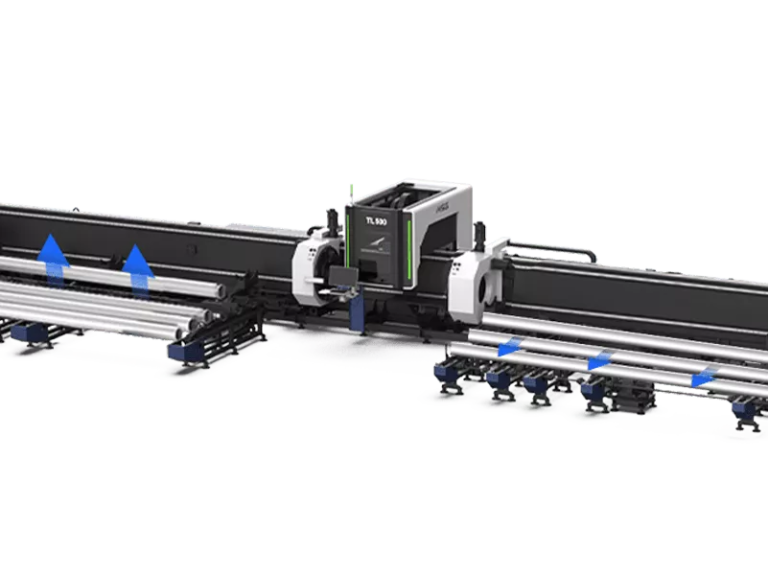
Staying competitive requires keeping up with new fabrication technologies, but the options can be overwhelming. An equipment advisor stays on top of the latest in machine innovations, automation, and digital integration. They help you evaluate upgrades like fiber laser cutters, which reduce heat distortion and can slice through specialty alloys needed in the oil and gas sector. Or, they may recommend integrating automated material handling systems—such as conveyors or automated cranes—to move heavy beams from the cutting station to welding bays, slashing labor costs and injury risks.
These advanced solutions aren’t just about going high-tech for its own sake. Your advisor ensures new machines fit into your existing workflow, assist with staff training, and organize the layout to minimize steps from one stage to the next. This alignment makes it easier to scale up for large projects, phase in new machine models, and reduce the transition pain that comes with innovation on the shop floor.
Minimizing Downtime Through Preventative Maintenance Planning
Nothing eats into a profit margin like unplanned downtime. Oil and gas projects operate on tight schedules, and a single machine failure can ripple through the whole assembly line. A trusted equipment advisor plans ahead, building custom maintenance schedules based on your operation’s workload, environment, and critical path items. They may suggest telemetry-enabled machines that predict wear or advanced lubrication systems for harsh shop conditions.
Beyond just recommending maintenance, an advisor prioritizes stocking the most likely replacement parts and ensures rapid-response service agreements with the machine’s manufacturers. In this way, small issues are caught before they escalate, and your team isn’t left scrambling to patch together fixes or hunt down technical manuals when things go wrong.
Enhancing Budget Management and Cost Transparency for Contractors
Every fabrication manager knows the struggle of hidden costs, surprise overruns, and ever-tightening budgets. A single equipment advisor demystifies these issues by offering clear projections on capital investments, maintenance contracts, consumable use, and energy efficiency. They identify the true cost-per-part, not just the sticker price of the machine.
This transparency allows you to make smarter investments. For example, they might present a business case for an energy-efficient plasma cutter—showing how a more expensive model actually lowers your total outlay over its lifetime due to energy savings, lower consumable costs, and faster cycle times. The advisor can also help phase in new equipment over project cycles, smoothing out cash flow impacts and keeping you on the leading edge without breaking the bank.
FAQ
What is the biggest benefit of working with a single equipment advisor?
You’ll see streamlined workflows, less downtime, and faster results since a single advisor coordinates all your procurement and service needs.
Do I sacrifice machine variety by sticking to one advisor?
No, a good advisor offers wide access to leading brands and technologies, but helps you cut through confusion and match tools to your specific shop needs.
How does an advisor’s recommended technology boost my shop’s productivity?
By pairing you with machines that fit your products and processes—like automated saw lines or robotic welders—you get better throughput, accuracy, and safety.
Is there really a cost savings in the long run?
Yes, optimizing machine purchases, maintenance schedules, and supply chains translates to lower lifecycle costs, less material waste, and fewer unplanned stoppages.
What about support after the machines are in?
Your advisor remains a central contact for training, troubleshooting, future upgrades, and warranty claims—saving you time and headache.
Does this approach work for both new builds and retrofits?
Absolutely. Advisors help retool legacy facilities as well as brand-new production lines, always focusing on integration and growth.
When every job is on the line, having a single, credible equipment advisor pays real dividends. They help you navigate technical challenges, wring more productivity out of every shift, and keep surprises to a minimum. If you want your fabrication shop to run with less hassle, better output, and tighter control of costs, it’s time to bring a trusted advisor onto your team—and watch your production process reach a new level of efficiency.
A single equipment advisor helps oil and gas structural contractors align their metal fabrication machinery with project demands, consolidating decisions on cutting, forming, drilling, and handling equipment into one coordinated plan that reduces downtime, rework, and capital waste.
At a Glance
- Focus: Coordinated selection of metal fabrication equipment (cutting, forming, drilling, welding support, and material handling) for oil and gas structural work.
- Goal: Streamline fabrication workflows from raw plate/section input through to assembled structural components.
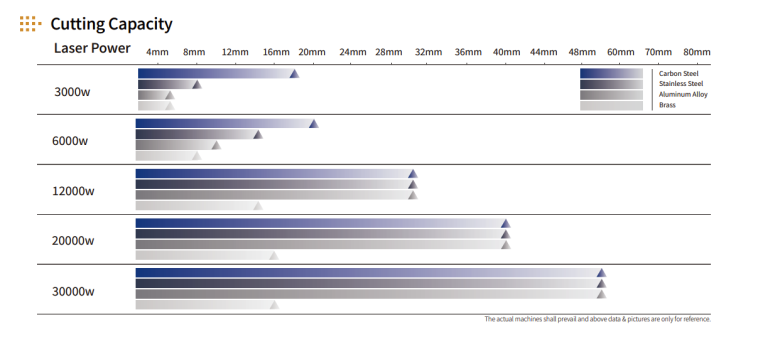
- Scope: Evaluation of capacity requirements (plate thickness, section size, length), throughput, and tolerance needs across multiple machines.
- Outcome: A balanced equipment set where bottlenecks are minimized and each machine’s capabilities are matched to real project profiles.
- Benefit: Reduced trial-and-error purchasing, better utilization of capital budgets, and improved schedule reliability on large structural contracts.
What It Typically Costs
Pricing estimate (USD): Varies by configuration.
- Total investment depends on the mix of fabrication processes (e.g., plate cutting vs. heavy section processing) and the degree of automation selected.
- Higher-capacity solutions (thicker plate, larger beams, longer bed lengths) and integrated lines (e.g., combined cutting, drilling, and coping) generally carry higher capital costs than stand-alone units.
- Advanced control systems, nesting software, and data integration with project management tools add to upfront cost while potentially lowering operating costs.
- Material handling options (conveyors, infeed/outfeed systems, automated storage) can significantly change the overall system price even when core machine specs are similar.
- Operating costs are influenced by power consumption, consumables (cutting gases, tooling, abrasives), and maintenance accessibility built into the selected equipment.
Key Selection Factors
- Capacity vs. Project Profile: Match machine capabilities (plate thickness, beam/column size, length, and weight) to the heaviest and largest structural members typically used in oil and gas projects.
- Tolerance and Repeatability: Consider the dimensional accuracy and repeatability required for structural fit-up, especially for components that will be assembled in the field under demanding conditions.
- Throughput and Bottlenecks: Evaluate expected production volume and ensure that cutting, drilling, and forming capacities are balanced so that one machine does not limit the entire line.
- Automation and Handling: Assess the need for automated loading, unloading, and part flow to reduce manual handling of heavy sections and to improve safety and consistency.
- Changeover and Flexibility: Look at how quickly equipment can change between thicknesses, profiles, and job types to accommodate varied structural components common in oil and gas work.
- Integration with Planning: Consider how machine controls and software integrate with existing scheduling, nesting, and project management systems to support coordinated fabrication.
- Maintainability and Support: Factor in ease of routine maintenance, access to wear parts, and the availability of technical assistance aligned with the equipment’s complexity.
Pre-Purchase Checklist
- Confirm that the maximum plate thickness and structural member size in your typical and peak projects fall within the proposed equipment’s rated capacities.
- Review sample parts, trial cuts, or process simulations to verify that dimensional tolerances and surface quality meet your structural fit-up requirements.
- Map your entire fabrication workflow and identify where each proposed machine will sit, noting any potential new bottlenecks or handling issues.
- Inspect material handling provisions (infeed, outfeed, staging areas) to ensure they are adequate for the weight, length, and volume of your structural members.
- Evaluate control interfaces and software for usability and compatibility with your current nesting, CAD, or project tracking tools.
- Check the estimated changeover times between different material sizes and job types to confirm they align with your mix of work.
- Review maintenance access points, recommended service intervals, and the availability of spare parts suitable for your operating environment.
- Assess operator training requirements and verify that resources are available to bring your team up to speed on new processes and controls.
- Request a clear breakdown of operating costs, including power needs, consumables, and anticipated tooling or wear-part usage.
- Ensure that the overall equipment configuration leaves room for future expansion or integration of additional processes as project demands evolve.
FAQ
How does a single equipment advisor simplify metal fabrication planning? By looking at all your fabrication steps together, a single advisor can propose a coordinated set of machines and handling solutions that work as a system rather than isolated purchases.
Why is capacity matching so important for oil and gas structural work? Oil and gas structures often involve heavy, long members; if equipment cannot handle your largest or thickest pieces, you risk workarounds, outsourcing, or delays.
Can one advisor cover both plate and structural section processing needs? Yes, if they consider plate cutting, drilling, and forming requirements alongside beam and column processing so that capacities and workflows complement each other.
What role does automation play in these equipment decisions? Automation can reduce manual handling of heavy materials, improve consistency, and increase throughput, but it must be sized and configured to match your project volume.
How does equipment choice affect project schedules? Well-matched equipment reduces bottlenecks and rework, making it easier to meet fabrication milestones that are critical on oil and gas projects.
Is it better to buy a single integrated line or separate machines? The choice depends on your mix of work and flexibility needs; an advisor can compare integrated lines to modular setups based on your specific project profile.
What should I ask about operating costs before buying? Ask for estimates of power consumption, consumables, tooling wear, and maintenance time so you understand the long-term cost of running the equipment.
How does software integration influence equipment selection? Integration with your nesting, design, and project management tools can improve planning accuracy and reduce manual data entry across the fabrication process.
Can existing equipment be incorporated into a new streamlined setup? Often yes, if its capacities and performance are understood and the new equipment is chosen to complement rather than duplicate or overload it.
When should I involve an equipment advisor in my planning? Involve them early, before committing to major purchases, so they can align capacity, workflow, and budget with your upcoming oil and gas structural contracts.
Source: How a Single Equipment Advisor Streamlines Metal Fabrication for Oil and Gas Structural Contractors
How a Single Equipment Advisor Streamlines Metal Fabrication for Oil and Gas Structural Contractors