Exploring Roll Forming: Key Applications and Benefits
In the ever-evolving world of metal fabrication, staying ahead of the curve means understanding and leveraging the latest techniques and technologies. One such technique that has gained significant traction is roll forming. This process is not only versatile but also offers numerous advantages for businesses in the metal fabrication industry. This article delves into the intricacies of roll forming, its key applications, and the benefits it can bring to your business operations.
Understanding Roll Forming in Metal Fabrication
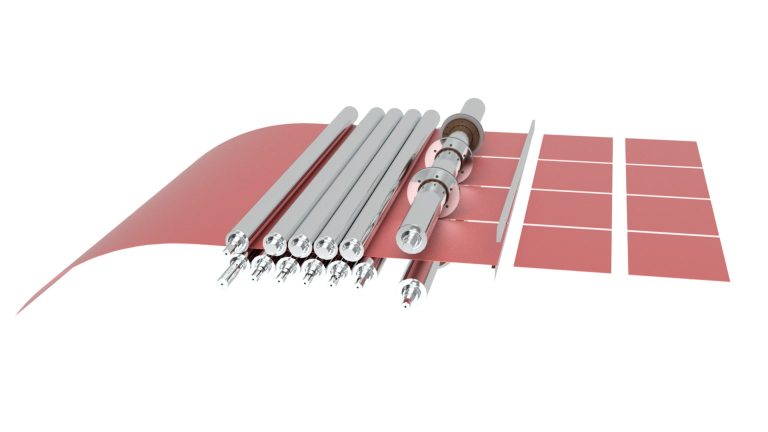
Roll forming is a continuous bending operation in which a long strip of sheet metal, typically coiled steel, is passed through sets of rolls mounted on consecutive stands. Each set performs only an incremental part of the bend, until the desired cross-section profile is obtained. This technique is particularly advantageous for producing parts with long lengths and consistent cross-sections.
-
Process Overview:
- The metal strip is fed into the roll forming machine.
- It passes through a series of roller dies that progressively shape the metal.
- The final product emerges with a uniform cross-section.
-
Materials Used:
- Steel (galvanized, stainless, and carbon)
- Aluminum
- Copper
-
Why Roll Forming?
- Ideal for high-volume production.
- Provides excellent surface finish and dimensional accuracy.
- Capable of producing complex profiles with minimal waste.
Key Applications of Roll Forming Techniques
Roll forming is a versatile process that finds applications across various industries. Here are some of the key areas where roll forming techniques shine:
-
Construction Industry:
- Production of roofing panels, wall panels, and structural components.
- Creation of metal studs and tracks for framing.
-
Automotive Sector:
- Manufacturing of bumpers, door frames, and chassis components.
- Production of intricate parts with high strength-to-weight ratios.
-
Appliance Manufacturing:
- Fabrication of refrigerator panels, washing machine bodies, and other appliance casings.
-
Aerospace Industry:
- Development of lightweight yet strong components for aircraft.
-
Electrical Industry:
- Production of cable trays, conduits, and enclosures.
Benefits of Roll Forming for Your Business
Adopting roll forming techniques can offer several advantages for your metal fabrication business:
-
Cost Efficiency:
- "Roll forming minimizes material waste and reduces the need for secondary operations."
- High-speed production capabilities lower labor costs.
-
Quality and Consistency:
- Produces parts with uniform thickness and precise dimensions.
- Ensures high repeatability and consistency across large production runs.
-
Design Flexibility:
- Capable of creating complex shapes and profiles.
- Allows for the integration of additional features such as holes, notches, and embossments.
-
Material Versatility:
- Works with a wide range of metals, accommodating different thicknesses and strengths.
-
Scalability:
- Easily adaptable to varying production volumes, from small batches to large-scale manufacturing.
Exploring roll forming can open up new avenues for efficiency and innovation in your metal fabrication processes. Whether you’re looking to enhance product quality, reduce costs, or expand your product offerings, roll forming offers a compelling solution. For more insights and resources on roll forming and other metal fabrication techniques, visit Exploring Roll Forming: Key Applications and Benefits. Embrace the future of metal fabrication and see how roll forming can transform your business operations.
Roll forming is a highly efficient metal fabrication technique that has become increasingly popular due to its versatility and cost-effectiveness. It involves continuously bending a long strip of sheet metal, typically coiled steel, through sets of rolls to achieve desired cross-sectional profiles. This process is particularly advantageous for producing large quantities of uniform profiles with high precision, making it ideal for applications in construction, automotive, and appliance manufacturing. Roll forming enables businesses to produce complex shapes with minimal material waste, thus optimizing production costs and improving product quality.
Maintenance Tips
- Regularly inspect rolls and tooling for wear and damage to ensure precision in profiles.
- Keep the machinery clean and lubricated to prevent rust and ensure smooth operation.
- Schedule routine maintenance checks to identify and resolve issues promptly.
- Ensure proper alignment of the rolls to avoid misformation in the product.
Typical Cost Ranges
The cost of roll forming machinery can vary significantly based on size, capacity, and complexity. Entry-level machines may start from $50,000, while advanced systems with high production capabilities can exceed $500,000. Additional costs may include tooling, maintenance, and operational expenses.
Performance Specs
- Material Thickness Capability: 0.3mm to 15mm
- Line Speed: 10-100 meters per minute
- Tolerance: ±0.1mm
- Number of Forming Stations: 10-40
Buying Advice
When purchasing a roll forming machine, consider the type of profiles you need to produce, the material thickness, and the production volume. It’s crucial to choose a machine that can accommodate future expansion or changes in production requirements. Additionally, evaluate the supplier’s reputation, customer support, and the availability of spare parts and service.
Frequently Asked Questions
- What is roll forming used for?
- Roll forming is used to produce consistent cross-sectional profiles from sheet metal, commonly used in construction, automotive, and appliance industries.
- How does roll forming differ from other metal forming techniques?
- Unlike other techniques, roll forming is a continuous process that can create long lengths of metal profiles with minimal waste and high precision.
- What materials can be roll formed?
- Common materials include steel, aluminum, copper, and other metals that can be cold-formed.
- Can roll forming be automated?
- Yes, roll forming lines can be highly automated, improving efficiency and reducing labor costs.
- What are the limitations of roll forming?
- Roll forming is less suitable for very thick materials or highly complex profiles requiring multiple bends in close succession.
- Is roll forming environmentally friendly?
- Yes, it produces minimal waste and uses energy efficiently, especially when optimized for continuous production runs.
Exploring Roll Forming: Key Applications and Benefits