Composite Metals for Lightweight Rigid Structures Advantages for High-Performance Metal Fabrication
Delivering durable, lightweight, and high-performance structures takes more than just hard work—it demands smart use of the latest materials and fabrication strategies. Shop floor managers and operations teams know that time is money and strength is safety, especially when customers expect top-notch quality with every order. By embracing composite metals for lightweight yet rigid parts, forward-thinking fabrication shops can boost productivity, streamline processes, and deliver advanced products that stand out in a competitive market. Let’s walk through how your shop can unlock new efficiencies and manufacturing power using composite metals.
Understanding Composite Metals in Modern Fabrication
Composite metals combine two or more distinct metals, sometimes with additional non-metallic components, to create a new material that harnesses the best qualities of each part. Common examples include metal matrix composites (like aluminum reinforced with ceramic fibers) and bonded “sandwich” metals, often layered for strength, durability, and weight savings. These materials move beyond traditional steel or aluminum, letting fabricators tailor strength, weight, and corrosion resistance for every build.
From a sales perspective, offering composite-metal solutions gives your business a competitive edge. You’ll meet growing customer demand for lighter, more resilient parts, especially in industries such as transportation, aerospace, or high-performance equipment. Promoting composite capabilities in your shop’s portfolio shows clients you’re on the leading edge of material science, giving them more reasons to choose you over the competition.
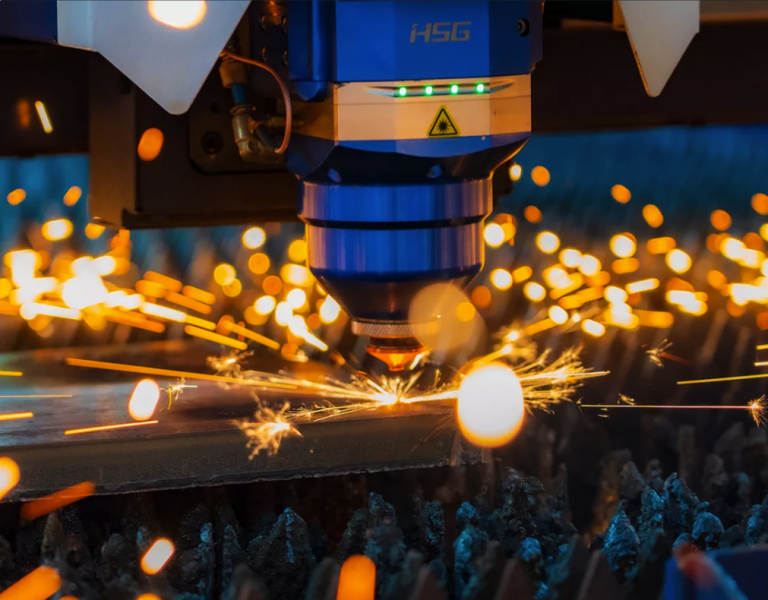
Regarding machine recommendations, shops must look at precision cutters like fiber laser machines, waterjets, or CNC punch presses that are compatible with composite sheets. Handling and cutting processes for layered or reinforced metals may require vacuum lifts, gentle-conveyor systems, or dedicated workholding solutions that prevent delamination or surface damage.
Key Material Features Enabling Lightweight Rigid Structures
The primary advantage of composite metals is achieving high rigidity with low weight. Think of aircraft-grade aluminum laminates that stay incredibly strong without the heavy bulk of solid steel. These metals offer a combination of stiffness, impact resistance, and flexibility, essential for high-stress, dynamic environments. Another key feature is corrosion resistance, which extends component life and reduces maintenance.
From an operational standpoint, these features allow fabricators to use thinner gauges while maintaining or improving strength. Sales teams can show customers real-life metrics like “30% lighter but just as strong” to justify adoption. It’s also a value-add for your quoting process—less raw material is used, so cost and shipping weights often decrease.
Equipment-wise, look for multi-axis CNC mills and routers with advanced spindle control and automatic tool changers to adapt to the varying hardness layers in composite metals. Plasma cutters can also work for thicker hybrid sheets, but quality dust extraction and cooling are more critical for composites than single-alloy parts.
Performance Advantages for High-Strength Applications
Clients in automotive, rail, marine, and aerospace demand lighter parts that perform under stress. Composite metals are perfect for applications needing both high tensile strength and fatigue resistance. For example, parts made from titanium-aluminum composites in racing vehicles allow for faster speeds and safer operations because of superior crash resistance and reduced inertia.
From a production sales viewpoint, pitching composite solutions is about selling performance: “You get lighter parts that last longer and meet or beat traditional safety margins.” Start by offering prototype runs to demonstrate real-world improvements.
Technically, fabrication shops should utilize presses with programmable pressure settings and quality in-line inspection systems to verify that bonds or joints in composite parts maintain their integrity. Progressive dies for stamping, combined with robotic assembly arms, can handle delicate layers or inserts without excess manual handling, reducing error and boosting throughput.
Optimization of Manufacturing Processes Using Composite Metals
Composite metals open up opportunities for process streamlining. Because these materials weigh less and don’t require excess bracing, shops may eliminate steps like secondary structural welding or extensive reinforcement. That means faster assembly, fewer fixtures, and less floor space tied up, raising daily output.
Savvy operations managers will optimize nesting software to minimize scrap and maximize the use of costly composite sheets. Sales teams can highlight cost savings in quotes, factoring in both reduced labor costs and shipping expenses.
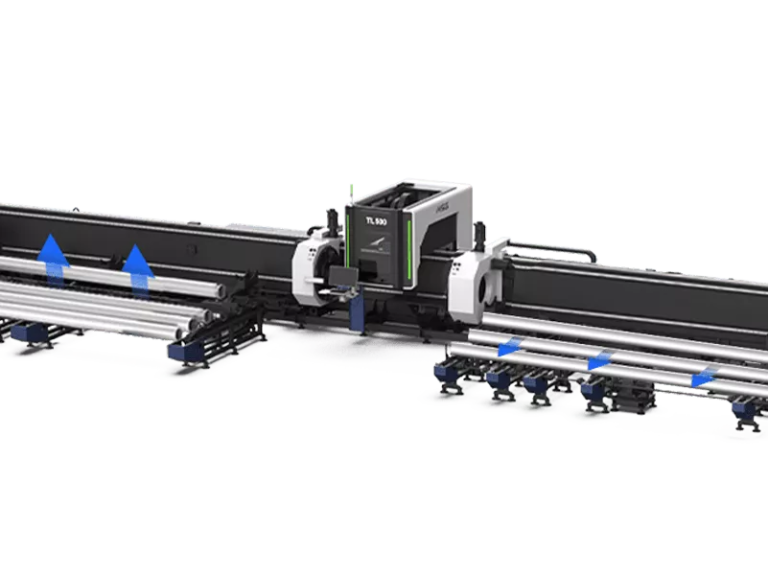
Machine setups should include modular fixturing that can be quickly adapted for different composite assemblies. Automated storage and retrieval systems help move these precious materials without risk of surface damage. Look for programmable lift-assist devices and adjustable conveyors that reduce manual lifting and speed up loading cycles.
Addressing Design Challenges with Advanced Metal Composites
Fabricating with composites does present unique challenges, especially in joining techniques, machining speeds, and part finishing. Layers may delaminate if not handled or assembled correctly, and some composites require special fasteners or adhesives instead of traditional welding.
Here, technical expertise is key. Involve your design and engineering staff early to select compatible profiles for folding, stamping, or deep drawing. Use simulation software for virtual stress tests and fit checks before cutting expensive material. Operations teams should standardize procedures for CNC speeds, feeds, and coolant use for each composite type.
Recommend equipment like high-torque drills with diamond or carbide bits, ultrasonic welders (for certain hybrid assemblies), and advanced deburring systems to finish exposed cross-sections without damaging inner material. Modular assembly lines, with built-in inspection cells, can further reduce scrap rates and rework.
From a sales and quoting perspective, educating customers about the design flexibility of composites encourages collaboration—and can lead to higher-margin, bespoke projects. Use case studies where thoughtful composite design overcame a previous barrier, such as reducing weight without sacrificing rigidity.
Frequently Asked Questions
What are the main benefits of using composite metals in structural fabrication?
Composite metals deliver high strength with much less weight, boosting product performance and efficiency while often lowering material and shipping costs.
Will I need special equipment to cut and form composite metals?
Yes, you may need upgraded CNC machines, fiber lasers, special cutting tools, and modern fixturing systems to handle and process the layered structure safely.
How do composite metals reduce my production time or touch labor?
Lighter materials often require fewer assembly reinforcements, and with optimized nesting and handling, you’ll cut down on material waste and manual steps.
Are composite metals more expensive than traditional metals?
Upfront material costs are usually higher, but savings on weight, labor, shipping, and performance can pay off over time.
What industries benefit most from composite metal fabrication?
Aerospace, automotive, defense, marine, rail, and high-end industrial applications see the best results from composite structure solutions.
How can I ensure strong joints in composite metal assemblies?
Standardize with compatible fasteners, adhesives, or specialty welds, and invest in inspection equipment to verify bond quality every time.
Can my current staff learn to work with composite metals?
Yes, with targeted training on machines, material handling, and assembly techniques, your team can master composite fabrication.
If you’re ready to take your shop’s capabilities up a notch, composite metals offer a practical, high-tech upgrade path. By understanding the materials, optimizing processes, and leveraging the right machines and expertise, your production line will be equipped for the next generation of high-performance demands—exactly what forward-thinking customers are looking for today.
For more information or specific guidance on machine upgrades, process tuning, or composite material sourcing for your shop, reach out to our technical sales team. We’re here to help you build better, lighter, and smarter.
Composite metals are revolutionizing the metal fabrication industry by providing a solution that offers both lightweight and high-strength characteristics. These materials are engineered by combining two or more distinct metals or non-metallic components, creating a composite that enhances performance attributes such as durability, tensile strength, and resistance to wear and corrosion. This innovative approach allows shop floor managers and operations teams to achieve superior quality and efficiency in their manufacturing processes. By integrating composite metals into their production strategies, fabrication shops can meet the increasing demands for advanced products, improve productivity, and maintain a competitive edge in the market.
Maintenance Tips
- Regularly inspect composite metal structures for signs of wear or damage to prevent potential failures.
- Use appropriate cleaning agents to maintain the surface integrity of composite metals.
- Ensure proper storage conditions to minimize exposure to elements that could lead to corrosion.
Typical Cost Ranges
The cost of composite metals can vary widely based on the specific materials used and the complexity of the fabrication process. Generally, prices range from $50 to $200 per kilogram, depending on the alloy composition and manufacturing techniques employed.
Performance Specs
- Tensile Strength: Up to 1500 MPa
- Density: Typically 20-40% less than traditional metals
- Corrosion Resistance: Excellent, depending on the alloy combination
- Thermal Conductivity: Varies based on composite structure
Buying Advice
When considering composite metals for your fabrication needs, assess the specific requirements of your application, such as load-bearing capacity, environmental conditions, and lifecycle expectations. Work closely with suppliers to ensure the composite materials meet industry standards and certifications. Additionally, evaluate the long-term benefits in terms of performance enhancements and cost savings versus initial investment costs.
FAQs
What are composite metals? Composite metals are materials made by combining two or more metals or non-metallic components to achieve enhanced properties. Why should I use composite metals in fabrication? Composite metals offer superior strength, reduced weight, and enhanced resistance to wear and corrosion, making them ideal for high-performance applications. How do composite metals compare to traditional metals? Composite metals typically provide better performance characteristics such as higher strength-to-weight ratios and improved resistance to environmental factors. Are composite metals more expensive than traditional metals? While the initial cost can be higher, composite metals often offer long-term savings through improved durability and decreased maintenance needs. Can composite metals be used in any industry? Yes, composite metals are versatile and can be adapted for use in various industries, including aerospace, automotive, construction, and more. What should I consider before purchasing composite metals? Evaluate the specific performance requirements of your application, consult with suppliers, and ensure the materials meet necessary standards and certifications. How do I maintain composite metal structures? Regular inspections, appropriate cleaning, and proper storage are essential to maintaining the integrity and performance of composite metal structures.Composite Metals for Lightweight Rigid Structures Advantages for High-Performance Metal Fabrication