Coil Punching Line Maintenance Best Practices for Metal Fabrication Operations Managers
In today’s fast-paced metal fabrication industry, the integrity and performance of your coil punching line can spell the difference between profit and loss. As a production or operations manager, you’re the bridge between technical excellence and bottom-line efficiency. Developing a culture of consistent, informed maintenance—supported by the right machinery, hands-on work ethic, and smart scheduling—ensures maximum uptime and minimizes costly breakdowns. With a focus on real-world challenges, let’s break down best practices to keep your coil punching line running at top form.
Understanding Coil Punching Line Components and Their Maintenance Needs
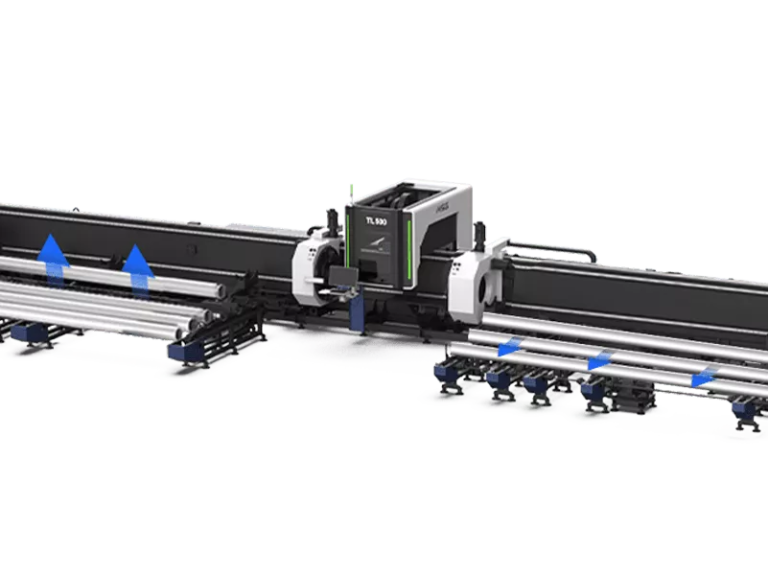
A coil punching line is more than just a conveyor and a press. It’s a complex system made up of decoilers, straighteners, feeders, punching units, conveyors, and control panels. Each component has a unique maintenance profile. For example, decoilers and straighteners often experience wear from constant material tension and require regular lubrication and alignment checks. Feeders demand attention to sensor calibration and mechanical integrity due to repetitive movement, while the punching head depends on exact tool settings and timely die changes.
When selecting machinery, prioritize options like servo-driven feeders for accuracy, and fully integrated control systems that offer automated error detection. Leading brands now provide modular coil lines that reduce set-up time and promote “just-in-time” manufacturing, minimizing unnecessary material handling. Investing in machines with quick-change tooling also cuts down downtime during maintenance.
Sales insight: Work with suppliers who offer turnkey installation and comprehensive service packages. These reduce set-up headaches and provide scheduled maintenance to prevent minor issues from turning into major failures. Logistical knowledge is essential; plan your line layout to give maintenance staff clear access to all critical areas, avoiding bottlenecks during routine checks.
Establishing Effective Preventive Maintenance Schedules
Reactive maintenance costs time and money. Preventive maintenance (PM) is about anticipating problems before they disrupt your workflow. Start by working with your OEM’s recommended PM schedule, but adjust frequency based on your real-world production volume and material types.
Efficient lines make use of color-coded or digital maintenance logs that operators and techs can update on the fly. Routine PM tasks include cleaning sensors, inspecting for loose bolts, lubricating bearings, and checking electrical components. Progressive assembly principles apply here: stagger PM tasks during natural production lulls, or group them according to similar location on the line to speed up service and decrease shutdown times.
For best results, look for machines equipped with built-in PM alerts and counters that track cycles. Automated coil processing centers, for example, notify your team when a punch tool is nearing its cycle limit, allowing you to schedule tool swaps during changeovers.
Sales insight: Choose equipment from manufacturers who offer cloud-based maintenance reminders and mobile service apps. A responsive sales partner will also provide starter kits for wear items—such as seals and lubricants—so you’re never caught unprepared. Consider investing in machines with self-diagnostic systems to preempt issues and reduce guesswork.
Implementing Inspection Protocols for Critical Machine Elements
Consistent performance depends on careful inspection routines targeted at the most failure-prone components: the punching head, die sets, safety interlocks, drive motors, and control systems. Set up daily, weekly, and monthly inspection checklists, ensuring that no element is overlooked.
Use detailed SOPs with diagrams and part numbers to reduce confusion. Empower your team to use hand-held inspection tools, like infrared thermometers for checking overheating motors or digital calipers for measuring die wear. The latest generation of coil lines offers remote monitoring solutions—look for models with built-in vibration analysis or sensor-based lubrication alerts.
Sales insight: Partner with machine brands that provide guided inspection apps or augmented reality support. Some vendors now bundle annual inspection training with equipment purchases, helping your crew become proficient at spotting trouble before it leads to unplanned downtime.
Training Operators on Optimal Coil Punching Line Usage and Care
Machine longevity depends on operator know-how as much as on engineering. Well-trained operators minimize errors and correct minor issues before they escalate. Make hands-on, scenario-based training a regular part of your program, and trust vendors who provide comprehensive “train-the-trainer” programs to transfer technical knowledge to your floor staff.
Choose machines with intuitive HMIs (Human-Machine Interfaces) and update your training documents with clear, visual guides. Some new coil punching lines come with built-in tutorials and QR codes linking to troubleshooting videos, helping staff on all shifts solve problems fast.
Sales insight: Invest in lines with customizable user profiles and access levels, so inexperienced operators cannot inadvertently change critical settings. Modern digital training platforms provide tracking of individual operator proficiency and highlight areas for retraining, reducing both accidents and misfeeds.
Leveraging Data and Digital Tools to Monitor Equipment Performance
Data-driven maintenance is now a shop floor reality. Modern coil punching lines support real-time performance monitoring through IoT sensors and cloud dashboards, highlighting issues like missed cycles, hydraulic pressure drops, or abnormal vibrations.
Use MES (Manufacturing Execution System) integration to automatically collect and display data. Smart tools let you analyze trends, correlate them with maintenance activities, and adjust schedules to maximize uptime. Choose equipment with open protocols (such as OPC-UA or MQTT) for easier integration with your digital infrastructure.
Sales insight and solution: Engage with suppliers who offer analytics packages as part of their after-sales service. Ask about remote diagnostics, error reporting, and predictive maintenance tools. This not only increases machine efficiency, but justifies the investment by providing real-time cost-benefit insights.
Enhancing Safety and Reducing Downtime through Proactive Repairs
Waiting for a breakdown is costly and dangerous. Encourage a proactive approach: repair or replace a worn component as soon as it’s flagged, never after it fails. Keep essential spare parts—including punches, dies, belts, and sensors—on-site, ideally organized by maintenance interval. This “just-in-case” inventory pays for itself the first time your line is back up within hours, not days.
For added efficiency, invest in lines with robust guarding and easy-access panels, minimizing delay and risk during servicing. Review safety interlocks regularly, and only use machines that are compliant with the latest safety standards (such as ISO 12100).
Sales insight: Look for vendors with quick-response service teams, loaner equipment, or guaranteed spare parts availability. The right sales partner will help you set up an optimized repair process and may even provide training for in-house repairs of common issues.
FAQ
What are the biggest benefits of preventive maintenance on coil punching lines?
Preventive maintenance cuts down on unplanned outages, reduces repair costs, and extends machine life, improving your shop’s overall productivity.
How do modern coil punching lines improve efficiency?
They use automation, digital controls, and quick-change tooling to speed up production, reduce manual labor, and minimize material handling.
Are data monitoring systems worth the investment?
Yes, real-time monitoring flags problems early, enabling timely repairs and smarter scheduling, which helps avoid expensive downtime.
What should I look for in a new coil punching line for easy maintenance?
Choose lines with modular design, automated PM notifications, accessible service points, and readily available spare parts kits.
How can operator training reduce maintenance costs?
Well-trained operators spot early warning signs, use machinery correctly, and avoid errors that lead to premature wear or damage.
Is it necessary to buy spare parts in advance?
Keeping key spares on hand ensures a quick response to breakdowns, reducing downtime and avoiding supply chain delays.
What’s the best way to make maintenance more efficient?
Standardize your inspection protocols, group tasks by location, and use digital logs and reminders to keep everything on schedule.
Staying ahead of maintenance isn’t just about protecting your equipment—it’s about delivering consistent quality and on-time delivery to your customers. By implementing these best practices and investing in the right technology and training, operations managers can guarantee smoother production runs and fewer headaches. For more advice or to explore tailored coil punching solutions, connect with your equipment partner or certified service provider today. Your commitment to smart maintenance is your edge in a competitive market.
Coil Punching Line Maintenance Best Practices for Metal Fabrication Operations Managers