Choosing the Best: Fiber vs. CO2 Laser Cutters
In the ever-evolving landscape of manufacturing and design, precision is paramount. Laser cutters have become indispensable tools for industries ranging from automotive to fashion, offering unparalleled accuracy and efficiency. However, with technological advancements, choosing the right type of laser cutter can be daunting. Two of the most popular options are Fiber and CO2 laser cutters. Each has its own set of advantages and potential drawbacks. This article delves into the essential aspects of both technologies, helping you make an informed decision that aligns with your specific needs.
Why Laser Cutters Are Essential for Precision
Laser cutters are the epitome of precision technology, capable of slicing through materials with an accuracy that is unmatched by traditional cutting tools. This precision is crucial for industries that require intricate designs and exact specifications, such as aerospace and electronics. Laser cutters use a focused beam of light to cut materials, ensuring clean edges and minimal waste. This technology not only enhances the quality of the final product but also significantly reduces the time required for post-processing.
Moreover, laser cutters offer versatility that is hard to beat. They can handle a wide array of materials, including metals, plastics, wood, and textiles, making them invaluable across diverse sectors. The precision and versatility of laser cutters translate into increased productivity and reduced operational costs, making them a smart investment for any business looking to stay competitive in today’s fast-paced market.
Unveiling the Fiber Laser Cutter Advantage
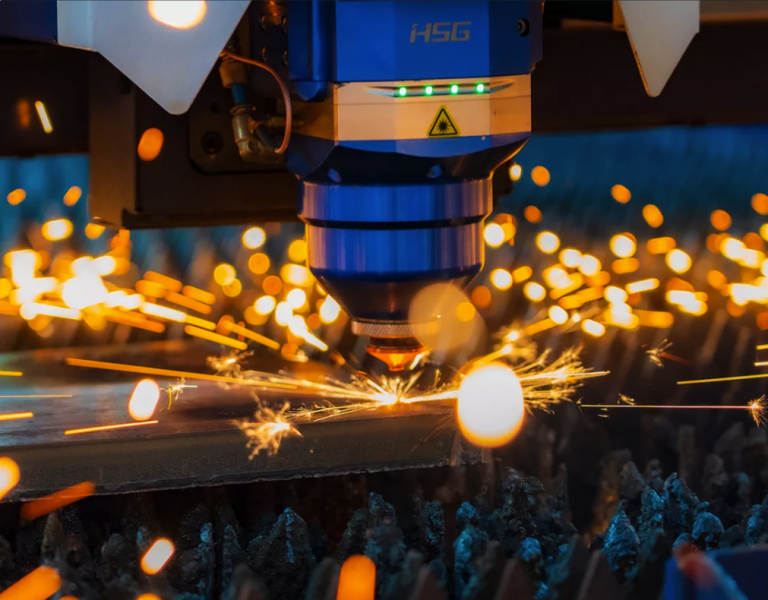
Fiber laser cutters have gained popularity due to their impressive speed and efficiency. They utilize a solid-state laser, which is known for its high energy efficiency and ability to cut through metals with remarkable speed. This makes them particularly advantageous for industries that require rapid production cycles without compromising on quality. Additionally, fiber lasers have a longer operational lifespan compared to CO2 lasers, reducing maintenance costs and downtime.
Another significant advantage of fiber laser cutters is their ability to cut reflective materials like aluminum, brass, and copper without the risk of damaging the machine. This capability expands the range of materials that can be processed, providing businesses with greater flexibility in their operations. The compact design and lower power consumption further enhance the appeal of fiber lasers, making them a sustainable choice for modern manufacturing environments.
CO2 Laser Cutters: Tried and True Technology
CO2 laser cutters have been a staple in the industry for decades, known for their reliability and versatility. They excel at cutting non-metal materials such as wood, acrylic, glass, and textiles, making them ideal for industries like signage, fashion, and interior design. The technology behind CO2 lasers is well-established, offering a level of predictability and consistency that many businesses find reassuring.
Despite being an older technology, CO2 laser cutters continue to evolve, incorporating modern features that enhance their performance. They are generally more affordable than fiber lasers, making them an attractive option for small to medium-sized businesses or those with budget constraints. The ability to engrave and cut a wide variety of materials with precision ensures that CO2 lasers remain relevant and valuable in today’s market.
Comparing Cutting Speed: Fiber vs. CO2
When it comes to cutting speed, fiber laser cutters have a distinct edge over CO2 lasers, especially for metal materials. The high-intensity beam of a fiber laser can cut through metals like stainless steel and aluminum much faster than a CO2 laser, significantly boosting production rates. This speed advantage is crucial for industries with high-volume production needs, where time is of the essence.
However, CO2 lasers are no slouch when it comes to cutting speed for non-metal materials. They can efficiently process materials like wood and acrylic, where the fiber laser’s speed advantage is less pronounced. For businesses that primarily work with non-metals, the cutting speed of a CO2 laser is more than sufficient to meet production demands, making it a viable option despite the fiber laser’s superior speed with metals.
Cost Efficiency: Making the Right Investment
Investing in a laser cutter is a significant decision, and cost efficiency plays a crucial role in the decision-making process. Fiber laser cutters, while more expensive upfront, offer long-term savings through reduced maintenance costs and energy consumption. Their ability to handle a wider range of materials also means fewer machines are needed, further reducing operational costs.
On the other hand, CO2 laser cutters present a lower initial investment, which can be appealing for businesses with limited capital. They are highly effective for specific applications, particularly in industries focused on non-metal materials. The choice between fiber and CO2 ultimately depends on the materials you work with most frequently and the volume of production required. Balancing initial costs with long-term benefits is key to making a sound investment.
Final Verdict: Which Laser Cutter Suits You?
Choosing between a fiber and a CO2 laser cutter boils down to your specific operational needs and material focus. If your business primarily deals with metal cutting and requires high-speed production, a fiber laser cutter is likely the better choice. Its efficiency and versatility with reflective metals make it a future-proof investment for industries like automotive and aerospace.
Conversely, if your operations revolve around non-metal materials or you are constrained by budget, a CO2 laser cutter may be more suitable. Its proven technology and lower initial cost make it a reliable choice for industries such as signage, fashion, and crafts. Ultimately, understanding the unique demands of your business and aligning them with the strengths of each laser technology will guide you to the best decision.
In the end, the decision between fiber and CO2 laser cutters should be guided by a thorough assessment of your business needs, budget constraints, and material focus. Both technologies offer distinct advantages that can significantly enhance production capabilities and operational efficiency. By weighing the pros and cons of each option, you can ensure that your investment is not only cost-effective but also strategically aligned with your long-term business goals. Whether you choose the cutting-edge speed of fiber or the trusted reliability of CO2, the right laser cutter will be an invaluable asset in driving your business forward.
In the ever-evolving landscape of manufacturing and design, precision is paramount, and laser cutters have become indispensable tools for industries ranging from automotive to fashion, offering unparalleled accuracy and efficiency. However, with technological advancements, choosing the right type of laser cutter can be daunting. Two of the most popular options are Fiber and CO2 laser cutters. Each has its own set of advantages and potential drawbacks. This article delves into the essential aspects of both technologies, helping you make an informed decision that aligns with your specific needs.
Maintenance Tips
- Regularly clean the laser lens and mirrors to ensure optimal performance and prevent damage.
- Check and replace the laser tube for CO2 models as needed, typically every 2,000 to 3,000 hours of use.
- Ensure proper ventilation and cooling systems are in place to avoid overheating.
- Perform routine software updates to keep the machine running efficiently.
- Lubricate moving parts periodically to prevent wear and tear.
Typical Cost Ranges
Fiber laser cutters typically range from $20,000 to $100,000, depending on power and features, while CO2 laser cutters can range from $5,000 to $70,000. Factors influencing cost include brand, cutting speed, and additional functionalities.
Performance Specs
- Fiber Lasers: Known for fast processing speeds, high precision, and lower maintenance costs; ideal for metal cutting.
- CO2 Lasers: Versatile, effective for both cutting and engraving a wide range of materials including wood, acrylic, and plastics.
- Power Output: Fiber lasers often range from 500 watts to 4 kilowatts; CO2 lasers typically range from 40 watts to 400 watts.
Buying Advice
Consider the types of materials you will be cutting most frequently. If your work predominantly involves metals, a fiber laser is likely more suitable. For non-metal materials or a mix, a CO2 laser may be more versatile. Evaluate the machine’s power, speed, and compatibility with your existing software and hardware infrastructure.
FAQs
What materials can Fiber laser cutters handle?
Fiber laser cutters are excellent for cutting metals such as steel, aluminum, and copper.
Are CO2 lasers suitable for cutting metals?
CO2 lasers can cut metals but are generally less efficient than fiber lasers for this purpose.
How do maintenance needs differ between Fiber and CO2 lasers?
Fiber lasers typically have lower maintenance needs and costs due to fewer moving parts and no laser tube to replace.
What is the expected lifespan of a laser cutter?
With proper maintenance, both fiber and CO2 laser cutters can last for over 10 years.
Can a single machine handle both cutting and engraving?
Yes, many CO2 laser cutters can switch between cutting and engraving modes, making them versatile tools.
How do power levels affect laser cutter performance?
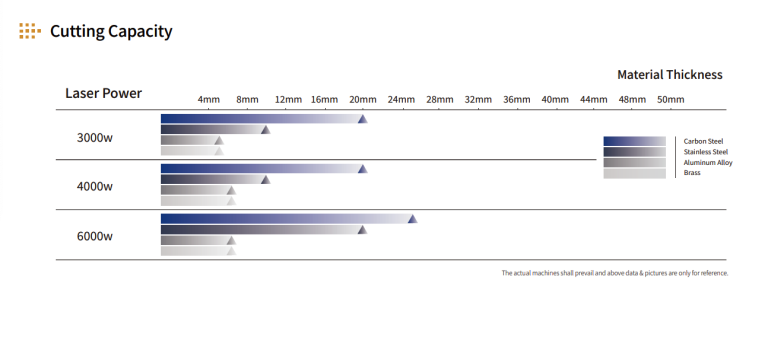
Higher power levels enable faster cutting speeds and the ability to cut thicker materials.
Choosing the Best: Fiber vs. CO2 Laser Cutters