Benefits of Servo-Driven Folders in Architectural Sheet Metal Fabrication
In the fast-paced world of architectural sheet metal fabrication, every production manager knows the value of accuracy, repeatability, and efficiency. Getting the job done right, on time, with minimal waste is both a matter of pride and good business. Staying current with tools and technology is vital, not just for winning jobs but for keeping production consistent and profitable. Servo-driven folders have proven themselves as a cornerstone for modern metal shops, solving real production problems by combining mechanical precision with digital intelligence. When you embrace these machines, you’re not just investing in equipment—you’re building the backbone of your operation’s reliability.
Enhancing Precision and Consistency in Metal Folding
One of the main challenges in architectural sheet metal work is achieving repeatable, high-quality bends, especially when dealing with demanding architects or tight project tolerances. Servo-driven folders deliver pinpoint accuracy thanks to their advanced servo motors, which outclass traditional hydraulics in terms of control and fine positioning. These machines memorize and repeat complex bend sequences, so every panel matches the spec, whether you’re folding aluminum fascias, zinc panels, or stainless facades.
From a sales perspective, having a servo-driven folder means you can promise and deliver tighter tolerances, which not only satisfies more demanding architects but also wins you top-tier projects. For practical shop recommendations, models from manufacturers like Jorns or Schechtl are regarded for their robust servo accuracy and repeatability. These machines often feature CNC controllers, making it simple to store programs and quickly call them up, reducing the risk of operator error—even for new hires.
Technically, you minimize costly rework because every part runs true. Logistically, the consistency supports progressive assembly lines, letting you move bent parts straight onto the next station without time-consuming quality checks or adjustments.
Boosting Production Efficiency Through Intelligent Automation
Time is money, and every step saved on the shop floor adds to your bottom line. Servo-driven folders bring smart automation to common shop tasks. Features like automatic crowning, programmable backgauges, and touch-screen controls take the guesswork out of production. A skilled operator can handle set-up and operation for multiple jobs at once, and even less experienced staff can learn fast thanks to intuitive programming.
The sales edge here is speed and labor flexibility. You can confidently bid high-volume jobs because the folder’s servo systems can run nonstop, handling hundreds of repeated bends per shift. Leading brands, such as RAS Reinhardt, offer servo folders with full automation packages that let you sequence operations with minimal input, slashing the time spent per panel or architectural component.
On the technical side, fewer material handlings and reduced cycle times mean your production flow is less likely to bottleneck at the folding stage. These machines can often be integrated with conveyors, robotic arms, or automated stacking systems for a true hands-off approach, accelerating the assembly process while freeing operators to focus on quality control or other high-value tasks.
Reducing Setup Time and Changeover Complexity
One of the age-old headaches in architectural metal fabrication is the downtime spent switching between jobs, profiles, or panel sizes. Servo-driven folders shine here with their digital memory and fast-reacting servo motors. Changing from one profile to the next is a matter of selecting a stored program, not fiddling with manual stops or complicated settings. Upgrades like quick-change tooling and automatic tool adjustment further cut down setup times.
From a sales standpoint, this ability to switch jobs quickly boosts throughput and makes you more responsive to last-minute project changes. For operations managers, it eliminates the need for specialized folders for specific profiles; a single servo-driven machine handles a broader scope of work, maximizing your equipment investment.
Look for machines like the Jorns TwinMatic or Schechtl MAX-Series, which are engineered for rapid changeovers. These folders often have built-in tool libraries and automated clamp recognition. This efficiency translates directly to your bottom line: less time prepping, more time producing, and less risk of mistakes during changeover, which reduces scrap.
Lowering Maintenance Requirements and Minimizing Downtime
Downtime eats into profits and makes it tough to deliver on deadlines. Traditional hydraulic folders are notorious for leaks, fluid maintenance, and wear parts. By contrast, servo-driven folders rely on clean, electric-powered motion, which drastically reduces maintenance needs and extends part life. With fewer moving parts and no hydraulic oil, issues like contamination and temperature-related drift are eliminated.
Sales insight is straightforward: less maintenance means more uptime and lower lifetime costs. This is a strong selling point when pitching your department’s investment in new technology. For shop managers, this means simpler daily checks and preventative care—a simple lubrication regime and a focus on clean electrical connections, not messy hydraulic work.
Models such as the Thalmann TD EVO or RAS Multibend Center are notable for their long service intervals and built-in diagnostics. These machines can often send alerts for preventative maintenance or even auto-diagnose problems for quick support. This not only helps keep your operation running but also empowers your team to troubleshoot without long waits for outside service techs.
Supporting Complex Architectural Designs with Advanced Bending Capabilities
Modern architecture often calls for intricate panel shapes, deep returns, curved edges, and multi-step bends that would test the limits of a manual or basic hydraulic folder. Servo-driven folders excel here, capable of high-precision multi-bend operations, open flange bends, and even gently radiused folds, all with consistent quality.
This is a significant sales advantage when going after high-visibility or specialty architecture jobs—your shop can confidently handle the complex parts others may turn away. For practical recommendations, folders like the Jorns Mono or RAS XLTbend are equipped to carry out subtle geometries and swing beams, making them invaluable for advanced design.
Technically, advanced servo motion allows for perfect synchronization between clamping and folding, preventing material marking or deformation even on delicate finishes such as pre-painted aluminum and copper. This lets you feed finished parts directly to assembly, reducing the need for touch-ups and speeding up the overall process.
FAQ
What are the biggest advantages of servo-driven folders compared to traditional models?
Servo-driven folders provide greater precision, consistency, and lower maintenance, with faster job changes and fewer operator errors.
How much training is needed for operators to use these machines?
Most modern servo folders have intuitive controls and teach-in functions, so operators can be productive with minimal training—often within a few days.
Are servo-driven folders worth the higher upfront cost?
Yes, the increase in productivity, reduction in downtime, better quality, and material savings deliver a rapid ROI, especially in busy architectural shops.
Can these machines handle both simple and complex profiles?
Absolutely. They are designed for versatility, managing both straightforward jobs and intricate bespoke bends with equal effectiveness.
Does automating folding eliminate existing operator jobs?
No. It frees operators from repetitive manual work, allowing them to upskill and focus on higher-level production tasks, improving safety and job satisfaction.
How does a servo-driven folder fit into a progressive assembly process?
Their precision and automation mean folded parts flow smoothly to the next assembly step, with less rework and material handling.
Servo-driven folders are transforming the architectural sheet metal industry by combining digital intelligence with robust mechanical engineering. Investing in one is not just about owning new machinery; it’s about giving your team the tools to work smarter, faster, and with greater pride in what they produce. If your shop is ready to take on more complex designs, increase efficiency, and stay ahead of the competition, a servo-driven folder is the strategic partner you need. For more tailored guidance on models, integration, and cost justification, reach out to your preferred equipment specialist—they can help you make the decision with confidence.
In the dynamic field of architectural sheet metal fabrication, servo-driven folders have become indispensable tools, offering unmatched accuracy, repeatability, and efficiency. These machines are crucial for production managers who strive to deliver precise results on time while minimizing waste. By integrating mechanical precision with digital intelligence, servo-driven folders enhance productivity and ensure consistent, high-quality output. Embracing this technology is an investment in reliability and a competitive edge in the modern metal fabrication landscape.
Maintenance Tips
- Regularly inspect the servo motors and ensure they are free from dust and debris.
- Lubricate moving parts according to the manufacturer’s schedule to prevent wear and tear.
- Check the alignment of folding blades frequently to maintain accuracy.
- Update software and control systems as recommended to benefit from the latest improvements.
Typical Cost Ranges
The cost of servo-driven folders can range from $50,000 to $200,000, depending on the machine’s capabilities, size, and additional features. Investing in a higher-end model can lead to greater long-term savings through improved efficiency and reduced waste.
Performance Specs
- Folding Speed: Up to 1000 bends per hour
- Precision: ±0.1mm accuracy
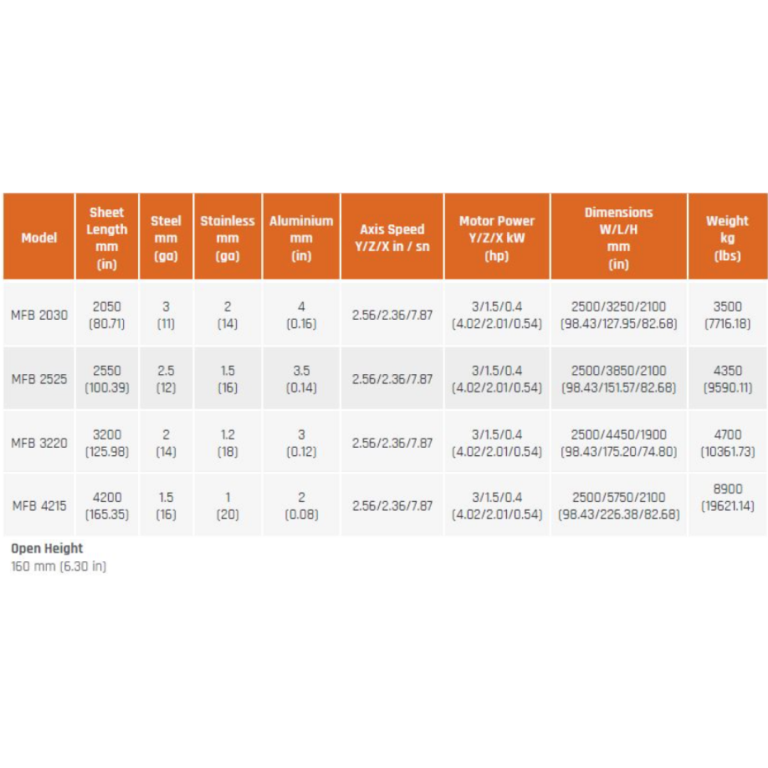
- Material Thickness: Capable of handling thicknesses up to 6mm
- Control System: Advanced CNC control with user-friendly interface
Buying Advice
When purchasing a servo-driven folder, consider the specific needs of your operation, including the types of metals you frequently work with and the volume of production. Evaluate the machine’s compatibility with existing equipment and its ability to integrate into your production line. Look for models that offer easy programming and flexibility to handle a variety of projects.
FAQs
What is a servo-driven folder?
A servo-driven folder is a machine used in metal fabrication that combines mechanical folding with digital servo technology to achieve precise and repeatable bends in sheet metal.
Why are servo-driven folders better than traditional folders?
Servo-driven folders offer superior accuracy, faster production speeds, and greater flexibility, allowing for more complex bends and reduced material waste.
Can servo-driven folders handle different metal types?
Yes, they are designed to handle a wide range of metals, including steel, aluminum, and copper, in various thicknesses.
How do I ensure my servo-driven folder is operating efficiently?
Regular maintenance, such as cleaning, lubrication, and software updates, is essential to keep the machine running efficiently.
Is training required to operate a servo-driven folder?
Yes, operators should be trained to use the CNC control system and understand the machine’s capabilities to maximize its potential.
What are the energy requirements for a servo-driven folder?
These machines typically require a stable power supply and may have specific voltage and amperage requirements, depending on the model.
Benefits of Servo-Driven Folders in Architectural Sheet Metal Fabrication