Assessing ROI of Downspout Roll Formers for Residential and Commercial Metal Fabrication
In the world of metal fabrication, results are driven by more than just hard work; achieving reliable quality and maximizing shop efficiency are what separate thriving operations from the rest. Production managers know that decisions about equipment have lasting effects on throughput, workforce utilization, and overall profitability. When weighing the potential purchase of a downspout roll former, it pays to evaluate not just the upfront cost, but the true return on investment (ROI) over the machine’s lifetime. By breaking down how these machines serve both residential and commercial fabrication, you can ensure your next step leads to quicker cycles, stronger margins, and a more agile shop.
Understanding Downspout Roll Formers in Metal Fabrication
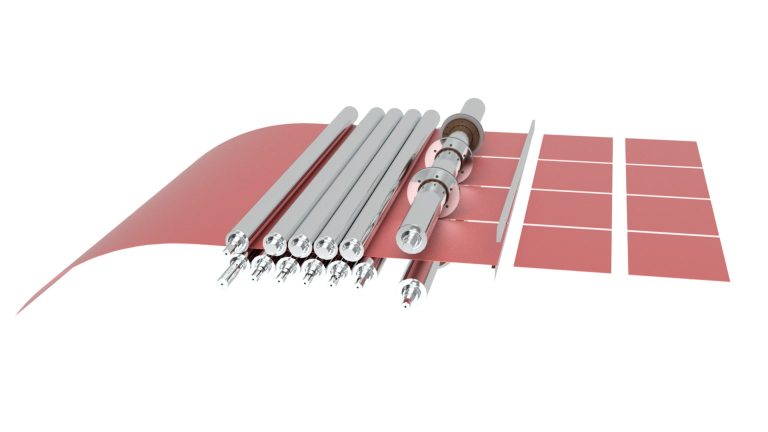
A downspout roll former is a specialized machine designed to transform metal coils into precisely formed, ready-to-install downspouts. In practical shop language, it eliminates the need for pre-bought downspouts from outside vendors, or time-consuming and waste-heavy manual fabrication. These machines feed sheet metal or coils into a system of rollers that gradually form the desired downspout profile, cutting each piece to length automatically.
From a purchasing perspective, the right downspout roll former should support core requirements: speed, repeatable accuracy, and adaptability to varied profiles and materials commonly used in both residential and commercial projects. Reliable automation reduces manual touchpoints, eliminating inconsistencies and costly rework.
For shop managers who wear production, purchasing, and workflow hats, the aim is clear—find machines that streamline fabrication, reduce error rates, and enable your shop to take on both standard and custom jobs with less material handling and fewer interruptions.
Evaluating Cost Savings and Productivity Gains
The core sales advantage of a downspout roll former is its potential for dramatic cost savings and productivity improvements. Instead of buying prefabricated downspouts at markup, shops can fabricate as needed, cutting out vendor delays and reducing per-piece costs over time. This internal capability also means you control your inventory and production schedule, responding faster to customer needs.
On the productivity front, a modern roll former can process hundreds of feet per hour with minimal oversight. Automation dramatically reduces hands-on labor, freeing your workforce for more skilled tasks or value-added assemblies. Less labor per part means not only lower payroll but also fewer mistakes and less remediation.
Machine recommendations here often favor portable, easy-to-adjust units for residential work, and high-capacity, robust formers for commercial-scale projects. Key is ensuring the chosen equipment integrates with your existing material handling and storage systems, to limit wasted motion and keep processes flowing linearly from coil to finished part.
Key Features That Enhance Return on Investment
For a high return on investment, prioritize downspout roll formers with quick-change tooling, programmable length controls, and minimal setup time requirements. Programmable logic controls (PLC) boost efficiency by storing different job specs so operators can switch between profiles with only minor adjustments.
Sales solutions should focus on features like integrated material feeders (to reduce loading time) and built-in cutters (for consistent, accurate final lengths). Standardized maintenance points make for faster routine servicing, keeping uptime high and shop throughput reliable.
In practical terms, equipment that introduces efficiencies—such as one-pass forming, integrated scrap handling, or automated stacking of finished downspouts—translates to less material handling for your staff and smoother assembly downstream.
Comparing Residential and Commercial Application Outcomes
Residential fabrication tends to focus on standard profiles, shorter production runs, and the need for machine mobility. For these jobs, smaller footprint roll formers that can travel to job sites or fit in tighter shop spaces often prove most efficient. The flexibility to run a variety of lighter-gauge metals also adds value for residential versatility.
Commercial fabrication, by contrast, emphasizes output volume, heavier materials, and the ability to run large batches with strict tolerances. Here, robust stationary machines with higher horsepower and coil capacities pay dividends. The capability to program and run complex, longer profiles or manage high-capacity jobs makes a measurable difference in shop performance.
When weighing investment for either segment, consider not just the base machine, but all required accessories—material handling tables, automatic cutters, or even coil storage racks—to minimize manual labor across your assembly process.
Calculating Long-Term Value and Maintenance Impact
Long-term ROI isn’t determined just by purchase price, but by total cost of ownership. Maintenance plays a significant role—machines engineered for easy access and with widely available spare parts cut down on costly downtime. Vendor support agreements and clear documentation raise the odds of sustained reliability.
To calculate true ROI, consider these factors: purchase cost, expected lifespan, ongoing maintenance, and production output. Spread these over the number of downspouts you expect to fabricate, and the labor savings versus manual processes or outsourcing. Also, factor in revenue from taking on more custom or rapid-turnaround jobs—thanks to in-house production agility.
A solid vendor will offer total cost breakdowns and real-world case studies showing payback periods and operational savings. Look for machines with proven track records and user-friendly maintenance routines. This ensures that when inevitable issues arise, your team can troubleshoot swiftly and get production back on track.
FAQ
What are the main benefits of investing in a downspout roll former?
Reduced production costs, greater control over quality and lead times, faster job turnaround, and the ability to offer custom solutions for unique projects.
Can one roll forming machine handle both residential and commercial work?
Some versatile models can, but many shops prefer separate machines tailored for the specific material gauges and production volumes typical to each sector.
How do roll formers help with material handling and shop workflow?
They minimize touchpoints, feed directly from coils, and cut parts automatically, which streamlines the overall assembly process and reduces labor.
What should I consider when comparing machine vendors?
Evaluate technical support, ease of sourcing spare parts, user training, maintenance requirements, and the ability to upgrade or expand with company growth.
How often does a downspout roll former need maintenance?
With regular cleaning and routine checks, most quality machines require only modest scheduled service, keeping downtime low and output consistent.
Is operator training complex for these machines?
Modern units typically feature intuitive controls and safety circuits, requiring only basic operator training, especially on CNC or PLC-driven models.
A well-chosen downspout roll former is more than just a production upgrade; it’s a strategic move toward greater shop autonomy, higher productivity, and better margins for both residential and commercial work. By understanding your real-world needs and matching them to machine capabilities, you turn a capital purchase into a major business advantage. For further guidance—from workflow assessments to vendor comparisons—reach out for specialized advice to ensure your next equipment decision pays off for years to come.
Downspout roll formers can significantly improve the economics of residential and light commercial metal fabrication by converting flat coil into finished downspouts in a single pass, reducing labor, material waste, and dependence on third‑party suppliers while enabling just‑in‑time production and better control over margins.
Overview
Downspout roll formers are specialized roll forming machines that shape metal coil into closed or open-profile downspouts used in gutter and drainage systems. For metal fabrication shops and gutter contractors, they provide an in‑house method to produce consistent, repeatable profiles for residential and commercial projects.
- Enable on‑demand production of standard and custom downspout profiles from metal coil.
- Reduce per‑piece cost by cutting out purchased downspouts and freight, especially on higher volumes.
- Improve lead times and scheduling flexibility for roofing, siding, and gutter installation work.
- Support a range of materials (commonly aluminum and steel) and sizes suited to residential and light commercial applications.
- Can be integrated into a broader gutter and trim fabrication workflow for better overall utilization of coil inventory.
- ROI depends heavily on annual downspout volume, labor rates, scrap rates, and the mix of residential versus commercial work.
Typical Cost Ranges
Pricing estimate (USD): Varies by configuration, including profile size, level of automation, and material capacity.
- Entry‑oriented configurations for basic residential downspouts typically cost less than higher‑capacity commercial lines, but exact pricing is configuration‑specific.
- Additional tooling sets for multiple profiles (e.g., different sizes or shapes) add to the initial investment.
- Optional features such as automated feeding, length control, and integrated cutting systems increase capital cost but may reduce labor per part.
- Electrical requirements, guarding, and safety systems can also influence installed cost, especially for more automated equipment.
- Ongoing costs include tooling wear, basic maintenance, and replacement of consumables such as blades in cutoff systems.
Specs That Matter
- Profile size and shape capability – Confirm the machine can form the specific downspout dimensions and cross‑section shapes required for your residential and commercial jobs.
- Material type and thickness range – Check supported metals (e.g., aluminum, steel) and gauge range to ensure compatibility with your existing coil stock and project specifications.
- Line speed / throughput – Higher forming speeds reduce labor cost per foot; match speed to your realistic production volume and staffing.
- Changeover flexibility – Evaluate how tooling is changed or adjusted when switching profiles or materials, and how much downtime that introduces.
- Cutoff system – Consider whether the machine uses a flying cutoff, post‑cut, or manual cutting, and how accurately it holds length tolerances.
- Automation and controls – Look at the control interface, length programming, batch counters, and integration with measuring devices for repeatable, accurate output.
- Footprint and mobility – Assess the physical size of the machine and whether it is stationary or designed to be portable between shop and jobsite.
Buying Advice
- Define your annual downspout volume and mix (residential vs. commercial sizes) to determine the level of capacity and automation you actually need.
- Verify that the machine’s profile and material capabilities match your current and planned product offerings, including any specialty profiles.
- Inspect the roll tooling quality and alignment features to gauge expected consistency and surface finish of formed downspouts.
- Review the controls and user interface for ease of setting lengths, batch sizes, and adjustments, especially if operators have varying skill levels.
- Check accessibility for maintenance, including how easily rolls, guides, and cutoff components can be cleaned, adjusted, or replaced.
- Assess safety provisions such as guards, emergency stops, and clear operator zones, ensuring they meet your internal safety standards.
- Confirm electrical and space requirements fit your facility layout and available power without major infrastructure changes.
- Ask how long typical profile changeovers take and what tools or fixtures are required, to understand real‑world downtime.
- Consider the availability of technical support, spare parts, and training resources to minimize future disruptions.
- Model the ROI by comparing current purchased downspout costs, freight, and labor to projected in‑house production costs over several years.
Common Questions
How do downspout roll formers improve ROI in metal fabrication? They reduce per‑piece cost and lead time by forming downspouts directly from coil in‑house, lowering reliance on purchased parts and freight while improving scheduling flexibility.
Are these machines suitable for both residential and commercial work? Yes, provided the selected configuration supports the profile sizes, shapes, and material gauges required for both residential and commercial downspouts.
What production volume justifies investing in a downspout roll former? The break‑even point depends on your local labor rates, current purchase prices, and scrap levels, so it should be evaluated with a simple cost comparison over your expected annual downspout volume.
Can one machine handle multiple downspout sizes? Many configurations can support multiple profiles through different tooling or adjustments, but the extent of flexibility and changeover time varies by design.
What materials can typically be run on a downspout roll former? They are commonly designed for metal coil such as aluminum or steel within a defined thickness range; always check the specified material and gauge limits.
How important is line speed for ROI? Higher line speed can reduce labor cost per foot, but the practical benefit depends on whether your shop has sufficient demand and staffing to utilize that speed consistently.
Do I need a highly automated system? Automation such as programmed length control and integrated cutoff can improve consistency and reduce labor, but may not be necessary for lower volumes or simpler product mixes.
What should I look for in the cutoff system? Check how accurately it holds length, how cleanly it cuts the profile, and whether it can keep up with the line speed you plan to run.
Can these machines be moved to jobsites? Some designs are compact enough to be portable, while others are intended as fixed shop installations; verify footprint and mobility features against your workflow.
How do I factor maintenance into ROI calculations? Include expected tooling wear, routine service time, and replacement parts in your cost model, since these influence the long‑term cost per foot of downspout produced.
Source: Assessing ROI of Downspout Roll Formers for Residential and Commercial Metal Fabrication
Assessing ROI of Downspout Roll Formers for Residential and Commercial Metal Fabrication