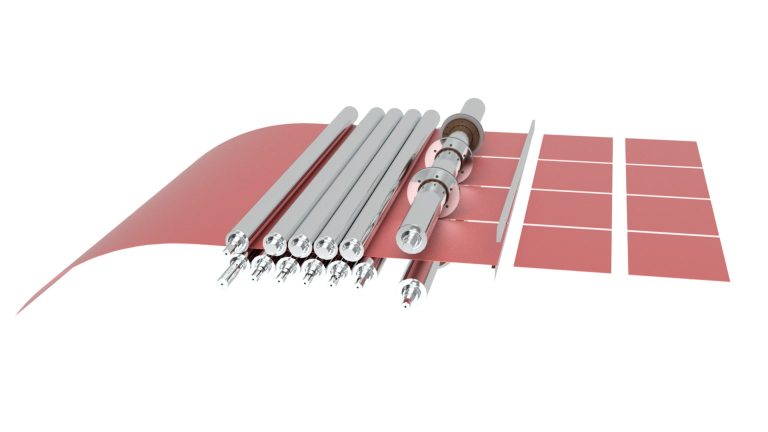
Stefa Coil Slitting Line SL-15
The Stefa Coil Slitting Line SL-15 is a high-volume, continuous-feed metal coil processing system used for producing slit coils and feedstock for roofing panels and building facades in automated factories and steel service centers.
In Brief
- Application focus: continuous-feed slitting of metal coils for roofing panels, building facades, and general metal coil processing.
- Typical users: steel service centers, automated factories, and high-volume production lines needing reliable coil preparation.
- Process type: slitting line designed to cut wide coils into multiple narrower strips in a single pass.
- Production style: optimized for high throughput and integration into continuous production/coil lines.
- Material scope: steel and other metal coils commonly used in construction envelope systems and sheet-metal products.
What It Typically Costs
Pricing estimate (USD): $250,000 – $2,000,000 USD, depending on configuration, automation level, and coil capacity.
- Lower end of the range often reflects more basic capacities and simpler automation suitable for smaller service centers.
- Upper end typically corresponds to higher coil weights, faster line speeds, more sophisticated controls, and greater automation.
- Total project cost usually includes line components (uncoiler, slitter, recoiler, handling), installation, and integration into existing production flow.
- Operating costs are driven by energy use, tooling (slitter knives and spacers), maintenance, and line staffing.
- Budgeting should account for spare knives, safety upgrades, and any required coil handling or storage systems.
Key Selection Factors
- Coil capacity and format
- Maximum coil width and thickness you need to process for roofing panels and facade elements.
- Maximum coil weight and outside diameter compatible with your existing handling equipment.
- Minimum/maximum strip width after slitting to support your product mix.
- Line speed and throughput
- Required meters per minute to match upstream decoiling and downstream forming/roll-forming capacity.
- Ability to maintain speed with different materials and gauges used in building envelopes.
- Impact of speed on cut quality and edge burr for facade and roofing aesthetics.
- Slitting head configuration
- Number of cuts/strips achievable in one pass for typical coil widths.
- Ease and speed of knife changeover when switching product sizes.
- Adjustability for different strip patterns needed for various panel profiles.
- Automation and continuous-feed integration
- Level of automation for threading, coil change, and scrap handling in continuous-feed lines.
- Compatibility with existing coil lines, roll formers, and downstream panel production.
- Control system capabilities for recipe management and repeatable setups in high-volume production.
- Material handling and safety
- Entry and exit coil handling suited to your plant layout and crane/forklift capacity.
- Guarding, interlocks, and safety systems appropriate for high-speed coil processing.
- Scrap management (edge trim, offcuts) for clean and efficient operation.
- Quality and tolerance requirements
- Required edge quality and burr control for visible roofing and facade components.
- Strip width tolerance and camber control to prevent issues in downstream forming.
- Consistency over long runs typical in steel service centers and automated factories.
Buying Advice
- Confirm coil specs
- Match maximum width, thickness, and weight ratings to your current and planned coil inventory.
- Ensure the SL-15 configuration can support the full range of materials used in your roofing and facade products.
- Assess fit with production flow
- Check how the line will integrate with existing continuous-feed systems and roll formers.
- Plan for coil storage, staging, and scrap removal paths around the slitting line.
- Inspect mechanical condition (for used equipment)
- Look for wear on slitter heads, arbors, bearings, and recoiler components.
- Check frames and bases for distortion, cracks, or misalignment that could affect strip quality.
- Evaluate controls and automation
- Review the control system age, supportability, and ease of recipe setup.
- Confirm safety circuits and interlocks meet your current standards and regulations.
- Review tooling and changeover
- Inventory included knives, spacers, and tooling for your required strip patterns.
- Ask about typical changeover times and any quick-change features available.
- Check documentation and support
- Ensure availability of manuals, electrical and hydraulic schematics, and maintenance records.
- Clarify what installation assistance, training, and after-sales support are available.
- Plan utilities and foundation
- Verify power, air, and any hydraulic requirements against your plant utilities.
- Confirm foundation and anchoring needs for stable high-speed operation.
- Consider lifecycle costs
- Estimate ongoing costs for knives, maintenance, and potential downtime.
- Balance initial price against throughput gains and quality improvements in your coil processing.
Common Questions
What types of applications is the Stefa Coil Slitting Line SL-15 suited for? It is used in continuous-feed, high-volume metal coil processing, especially in steel service centers and automated factories producing roofing panels and building facades.
What is the typical price range for an SL-15 slitting line? The indicative price range is about $250,000 – $2,000,000 USD, depending on capacity, automation level, and configuration.
Can the SL-15 be integrated into an existing coil line for roofing panels? Yes, it is intended for use in continuous-feed coil lines and can serve as the slitting stage feeding downstream panel production equipment.
Is this line suitable for steel service centers? Yes, the SL-15 is specifically described as being used in steel service centers for high-volume coil slitting and preparation.
What materials can typically be processed on this type of slitting line? It is designed for metal coil processing, including steels commonly used in roofing and facade systems, within the coil size and thickness limits of the specific configuration.
How does a slitting line benefit roofing and facade production? It converts wide master coils into narrower strips sized for roll forming or other operations, enabling continuous, high-volume production of roofing panels and facade components.
What should I focus on when specifying an SL-15 for my plant? Key points include coil width/thickness range, required line speed, number of strips, integration with existing equipment, and the level of automation needed for your throughput targets.
Are high levels of automation available for the SL-15? The line is described as being used in automated factories, indicating that configurations with significant automation and continuous-feed capability are available.
What are the main cost drivers beyond the base machine price? Major contributors include coil handling equipment, installation and integration, tooling (slitter knives), safety upgrades, and any required modifications to your production layout.
Is the SL-15 only for new installations, or can it be retrofitted? It can be used in both new automated lines and as an upgrade in existing facilities, provided that coil specs, layout, and controls integration are carefully planned.
Source: Stefa Coil Slitting Line SL-15
Stefa Coil Slitting Line SL-15