Unlocking Potential: Real-World Roll Forming Uses
Unlocking Potential: Real-World Roll Forming Uses
In the ever-evolving landscape of manufacturing and construction, roll forming stands out as a transformative technology with the power to reshape industries. From enhancing efficiency to opening new possibilities, roll forming is a key player in modern innovation. This article delves into the various ways roll forming is unlocking potential across different sectors, showcasing its indispensable role in today’s industrial world.
Discover the Power of Roll Forming Innovation
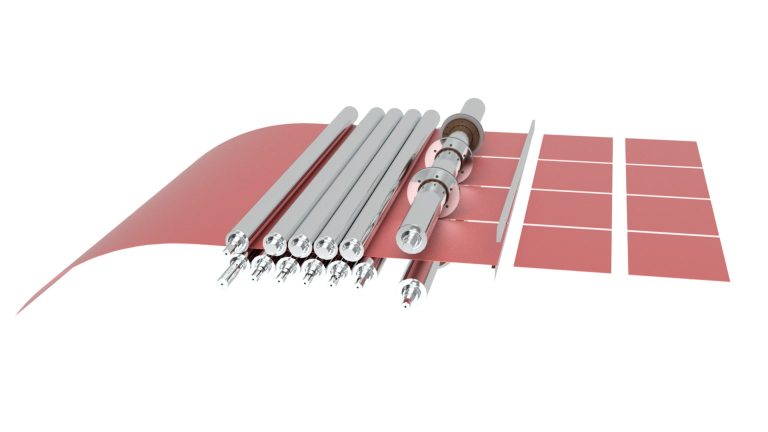
Roll forming is not just a manufacturing process; it’s a catalyst for innovation. By continuously bending a long strip of metal into a desired cross-section, roll forming enables the creation of complex shapes and profiles with unmatched precision and efficiency. This innovative approach allows manufacturers to explore new design possibilities and push the boundaries of what can be achieved with metal. As industries strive for more sustainable and cost-effective solutions, roll forming serves as a beacon of innovation, providing a pathway to create lightweight and durable components that meet the demands of modern applications.
The power of roll forming innovation lies in its versatility and adaptability. It can accommodate a wide range of materials, including steel, aluminum, and copper, making it an ideal choice for diverse industries such as automotive, aerospace, and construction. By harnessing the capabilities of roll forming, companies can streamline production processes, reduce waste, and enhance product quality. This not only leads to significant cost savings but also positions roll forming as a driving force behind the next wave of industrial advancements.
Transform Industries with Roll Forming Solutions
Roll forming solutions have the potential to transform industries by offering tailored manufacturing processes that meet specific needs. In the automotive sector, for example, roll forming is instrumental in producing lightweight yet strong components that improve fuel efficiency and vehicle performance. The ability to create intricate profiles with minimal material waste makes roll forming an attractive option for manufacturers looking to optimize their production lines and deliver superior products to the market.
Beyond automotive, roll forming is revolutionizing the aerospace industry by enabling the production of high-strength, lightweight structures that are critical for aircraft performance. The precision and consistency offered by roll forming ensure that each component meets strict industry standards, contributing to the overall safety and reliability of aircraft. As industries continue to evolve, roll forming solutions are poised to play a pivotal role in shaping the future of manufacturing, driving innovation and efficiency across the board.
Roll Forming: The Key to Manufacturing Success
In the competitive world of manufacturing, success hinges on the ability to produce high-quality products efficiently and cost-effectively. Roll forming is the key to achieving this balance, offering a streamlined process that reduces production time and minimizes material waste. By leveraging roll forming technology, manufacturers can achieve consistent quality and precision in their products, ensuring they meet customer expectations and industry standards.
The benefits of roll forming extend beyond production efficiency. It also provides manufacturers with the flexibility to adapt to changing market demands and customer preferences. Whether it’s developing new product lines or scaling up production, roll forming offers the versatility needed to stay ahead in a dynamic marketplace. As a result, it has become an indispensable tool for manufacturers seeking to maintain a competitive edge and drive long-term success.
Boost Efficiency with Advanced Roll Forming
Efficiency is the cornerstone of modern manufacturing, and advanced roll forming techniques are at the forefront of this pursuit. By integrating cutting-edge technology and automation, roll forming processes can achieve unprecedented levels of efficiency. This not only reduces production costs but also shortens lead times, allowing companies to respond swiftly to market demands and customer needs.
Advanced roll forming also enhances precision and consistency, ensuring that each component is manufactured to exact specifications. This level of accuracy reduces the need for costly rework and quality control measures, further boosting overall efficiency. As industries continue to seek ways to optimize their operations, advanced roll forming stands out as a powerful solution that delivers tangible results and drives sustainable growth.
Roll Forming: Revolutionizing Construction Methods
In the construction industry, roll forming is revolutionizing traditional methods by providing innovative solutions for building and infrastructure projects. The ability to produce custom profiles and shapes with roll forming allows architects and builders to explore new design possibilities and create structures that are both aesthetically pleasing and structurally sound. From roofing panels to structural beams, roll forming offers a versatile and efficient way to manufacture essential construction components.
Roll forming also contributes to the sustainability of construction projects by minimizing material waste and reducing the environmental impact of manufacturing processes. The precision and efficiency of roll forming ensure that construction materials are produced with minimal energy consumption and resource use, aligning with the industry’s growing emphasis on sustainable practices. As construction methods continue to evolve, roll forming is set to play a crucial role in shaping the future of the built environment.
Unleash New Possibilities with Roll Forming
The potential of roll forming extends beyond current applications, offering a gateway to new possibilities and innovations. As industries continue to explore the limits of material science and engineering, roll forming provides the tools needed to create next-generation products that meet the demands of an ever-changing world. From smart cities to advanced transportation systems, roll forming is at the heart of the technological advancements that are shaping our future.
By embracing the capabilities of roll forming, companies can unlock new opportunities for growth and innovation. Whether it’s developing cutting-edge products or improving existing processes, roll forming offers a pathway to success in a rapidly evolving marketplace. As we look to the future, the potential of roll forming remains vast and untapped, promising to drive the next wave of industrial transformation and open up new frontiers of possibility.
Roll forming is more than just a manufacturing process; it’s a key enabler of innovation and efficiency across a wide range of industries. From revolutionizing construction methods to transforming manufacturing practices, roll forming is unlocking potential and driving progress in ways that were once unimaginable. As we continue to explore the possibilities of this versatile technology, roll forming will undoubtedly play a pivotal role in shaping the future of industry and innovation.
Roll forming is a dynamic and transformative technology within the realm of metal fabrication that is significantly impacting the manufacturing and construction industries. By continuously bending a long strip of metal into a desired cross-section, roll forming enhances efficiency, reduces costs, and opens up innovative possibilities across various sectors. This method is crucial in modern innovation, offering advantages such as precise dimensional accuracy, high production speed, and minimal waste. As industries continue to evolve, roll forming remains an indispensable tool in reshaping and advancing industrial capabilities.
Maintenance Tips
- Regularly inspect roll forming machines for wear and tear, ensuring all moving parts are well-lubricated.
- Calibrate equipment periodically to maintain accuracy in the cross-sectional profiles.
- Monitor and replace any worn or damaged rollers to prevent defects in the final product.
- Ensure proper alignment of the entire setup to avoid unnecessary stress and potential breakdowns.
Typical Cost Ranges
The cost of roll forming equipment can vary significantly based on capacity, size, and complexity. Entry-level machines may start at around $50,000, while high-end, fully automated systems can exceed $500,000. Additional costs may include installation, training, and maintenance services.
Performance Specs
- Material Thickness: Typically ranges from 0.1 mm to 6 mm.
- Speed: Production speeds can reach up to 100 meters per minute.
- Precision: Capable of maintaining tolerances within ±0.1 mm.
- Capacity: Can handle various metals, including steel, aluminum, copper, and more.
Buying Advice
When considering a roll forming machine, assess your production needs, material types, and desired output volume. Ensure the machine’s specifications align with your operational requirements. It’s also essential to consider the manufacturer’s reputation, after-sales support, and warranty terms. Investing in training for your team can maximize the machine’s efficiency and lifespan.
FAQs
- What are the main advantages of roll forming? Roll forming offers high production speed, precise dimensional accuracy, and minimal material waste, making it cost-effective for large-scale production.
- Can roll forming be used for complex shapes? Yes, roll forming can produce complex cross-sectional profiles with high precision and consistency.
- Is roll forming suitable for all metals? Roll forming is compatible with a wide range of metals, including steel, aluminum, copper, and more, depending on the machine’s capabilities.
- How does roll forming contribute to sustainability? By minimizing waste and energy consumption, roll forming supports sustainable manufacturing practices.
- What industries benefit most from roll forming? Construction, automotive, appliance manufacturing, and infrastructure are some industries that extensively use roll forming.
- How often should maintenance be performed on roll forming machines? Routine maintenance should be conducted monthly, with comprehensive inspections and calibrations done quarterly.
Unlocking Potential: Real-World Roll Forming Uses