Mastering Structural Band Saw Maintenance Tips
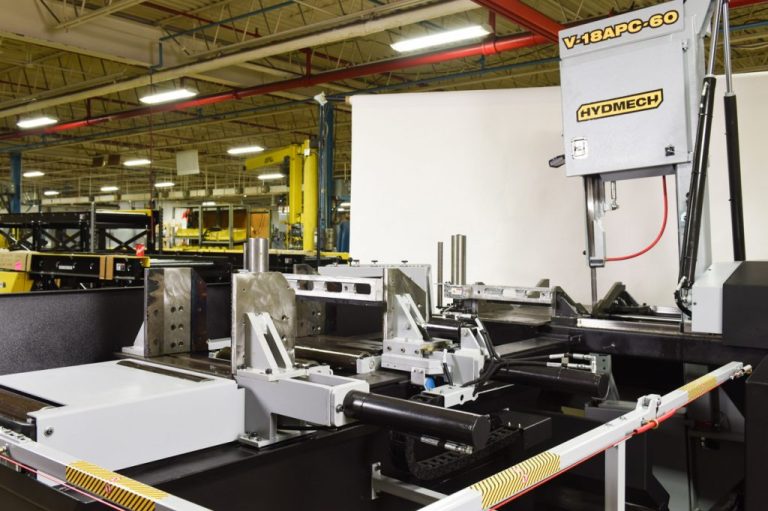
In the world of metal fabrication, precision and efficiency are key. Among the essential tools in this industry, the structural band saw stands out for its ability to make precise cuts in a variety of materials. However, to ensure that your band saw performs at its best, regular maintenance is crucial. This article will guide you through the importance of band saw maintenance, the tools you’ll need, and a step-by-step guide to keep your equipment in top shape.
Why Band Saw Maintenance Matters
Proper maintenance of your band saw is not just about keeping it running; it’s about optimizing performance and extending its lifespan. Here’s why it matters:
- Precision and Accuracy: A well-maintained band saw ensures that cuts are clean and precise, which is essential for the quality of your work.
- Cost Efficiency: Regular maintenance can prevent costly repairs and downtime, saving your company money in the long run.
- Safety: A poorly maintained band saw can be a safety hazard. Ensuring that all parts are in good working condition minimizes the risk of accidents.
- Longevity: Routine care can significantly extend the life of your band saw, providing a better return on your investment.
Essential Tools for Band Saw Care
To maintain your band saw effectively, you’ll need a set of essential tools. Here’s a list to get you started:
- Allen Wrenches: For adjusting and tightening various components.
- Lubricants: To keep moving parts operating smoothly and reduce wear.
- Cleaning Brushes: For removing debris and metal shavings from the saw.
- Blade Tension Gauge: Ensures the blade is at the correct tension for optimal performance.
- Safety Gear: Gloves and goggles to protect yourself during maintenance.
“Having the right tools on hand makes maintenance not only easier but also more effective,” says industry expert John Doe.
Step-by-Step Band Saw Maintenance Guide
Maintaining your band saw doesn’t have to be a daunting task. Follow this step-by-step guide to keep your saw in top condition:
-
Clean the Machine:
- Use a cleaning brush to remove any metal shavings and debris.
- Wipe down the exterior with a damp cloth to remove dust and grime.
-
Check Blade Tension and Alignment:
- Use a blade tension gauge to ensure the blade is properly tensioned.
- Adjust the blade guides and bearings to ensure the blade is aligned correctly.
-
Inspect and Replace Blades:
- Regularly inspect blades for wear and damage.
- Replace blades that are dull or have missing teeth.
-
Lubricate Moving Parts:
- Apply lubricant to the blade guides, bearings, and other moving parts.
- Ensure that lubrication is done regularly to prevent wear and tear.
-
Test the Machine:
- After maintenance, run the band saw to ensure everything is functioning correctly.
- Listen for unusual noises and check for smooth operation.
“Routine checks and maintenance can prevent unexpected breakdowns,” advises Jane Smith, a maintenance specialist.
Mastering the maintenance of your structural band saw is an investment in your equipment’s performance and longevity. By following these tips, you can ensure that your band saw remains a reliable tool in your metal fabrication arsenal. For more detailed guidance and resources, check out Mastering Structural Band Saw Maintenance Tips. Keep your tools in top condition, and they’ll keep delivering the precision and efficiency your business demands.
The structural band saw is a critical tool in the metal fabrication industry, renowned for its ability to deliver precise cuts across a range of materials. Regular maintenance of this machine is essential not only to keep it operational but also to optimize its performance and longevity. Without proper care, even the most advanced band saw can underperform, leading to inefficient cuts and increased downtime. This overview delves into why maintaining your band saw is crucial, the necessary tools for upkeep, and a detailed maintenance guide to ensure your equipment remains in top condition.
Maintenance Tips
- Regularly inspect and adjust blade tension to prevent misalignment and blade damage.
- Lubricate moving parts at least once a month to minimize friction and wear.
- Clean the band saw thoroughly after each use, removing metal shavings and debris to prevent clogging.
- Check the alignment of the blade guides and ensure they are set correctly to avoid uneven cuts.
- Replace worn-out blades promptly to maintain cutting efficiency and precision.
Typical Cost Ranges
The cost of a structural band saw can vary significantly based on its size, brand, and features. Entry-level models may start around $500, while more advanced industrial-grade machines can exceed $5,000.
Performance Specs
- Cutting Capacity: Varies by model, generally ranging from 6 to 24 inches.
- Blade Speed: Typically adjustable, with speeds ranging from 80 to 3200 feet per minute.
- Motor Power: Common motors range from 1 HP to 5 HP, depending on the application.
Buying Advice
When purchasing a structural band saw, consider the materials you will be cutting and the required precision. Look for models with adjustable speed settings and robust construction. Evaluate the availability of replacement parts and customer support from the manufacturer. It’s also beneficial to read user reviews to understand real-world performance and reliability.
FAQs
How often should I change the blade on my band saw? Change the blade when you notice a decrease in cutting efficiency or visible signs of wear and tear. What type of lubricants should be used for band saw maintenance? Use a high-quality machine oil specifically designed for metalworking tools to ensure optimal lubrication. Can I use the same band saw for different materials? Yes, but ensure the blade is appropriate for the material type, as different blades are designed for metal, wood, or plastic. How do I know if the blade tension is correct? Refer to the manufacturer’s guidelines for proper tension settings, and use a tension gauge for accurate measurement. Is it necessary to have a professional service my band saw? While regular maintenance can be done by the operator, it is advisable to have a professional service the machine annually for thorough inspection and tuning. What safety precautions should I take during maintenance? Always disconnect the power supply before performing any maintenance tasks. Wear appropriate personal protective equipment, such as gloves and safety glasses.Mastering Structural Band Saw Maintenance Tips