Unlocking Efficiency: Automated Fabrication Benefits
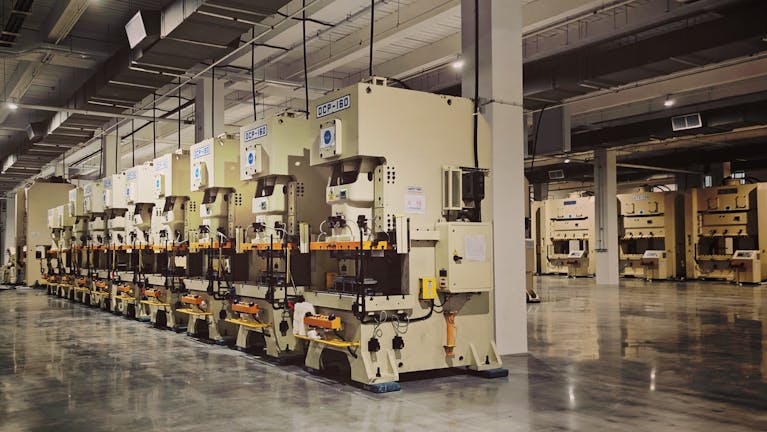
In the fast-paced world of metal fabrication, efficiency is the name of the game. As a buyer for a metal fabrication company, you’re always on the lookout for ways to streamline operations and maximize productivity. Enter automated fabrication—a game-changer that promises to revolutionize the way you work. From brake presses to roll formers, automation is transforming the industry. Let’s dive into how automated fabrication can unlock new levels of efficiency for your business.
Discover the Power of Automated Fabrication
Automated fabrication is not just a trend; it’s a powerful tool that can redefine your production capabilities. By integrating automation into your operations, you can achieve:
- Consistent Quality: Automation ensures that every piece is produced with the same precision and accuracy, reducing the likelihood of errors and rework.
- Reduced Labor Costs: With machines handling repetitive tasks, you can allocate your workforce to more strategic roles, optimizing labor costs.
- Increased Throughput: Automated systems can operate continuously, significantly boosting production rates and meeting tight deadlines.
“Automation is the key to unlocking unparalleled efficiency in metal fabrication,” says industry expert John Doe. By embracing this technology, companies can stay competitive and meet the growing demands of the market.
Boost Productivity with Cutting-Edge Tech
The latest advancements in technology are at the forefront of automated fabrication, offering tools that can drastically improve productivity:
- Robotic Arms: These versatile machines can handle complex tasks with ease, from welding to material handling, reducing cycle times and enhancing precision.
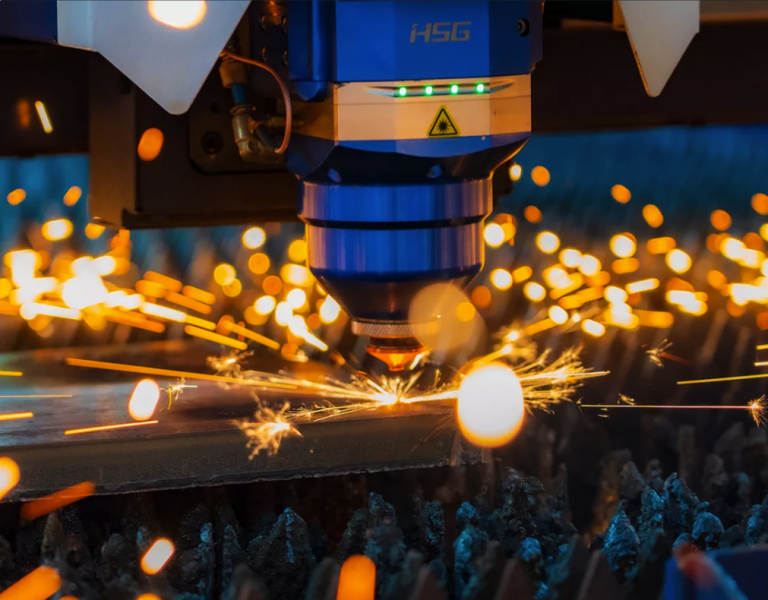
- CNC Machines: Computer Numerical Control (CNC) machines offer unparalleled accuracy and repeatability, making them ideal for intricate designs and high-volume production.
- IoT Integration: The Internet of Things (IoT) allows for real-time monitoring and data analysis, enabling proactive maintenance and minimizing downtime.
By investing in cutting-edge technology, you can ensure that your operations are not only efficient but also adaptable to future innovations.
Transform Your Workflow with Smart Solutions
Smart solutions are the backbone of automated fabrication, providing the flexibility and intelligence needed to optimize workflows:
- Customizable Software: Tailor your automation systems to meet specific production needs, ensuring seamless integration with existing processes.
- Predictive Maintenance: Utilize data analytics to predict equipment failures before they occur, minimizing disruptions and extending the lifespan of your machinery.
- Energy Efficiency: Automated systems are designed to be energy-efficient, reducing operational costs and supporting sustainability initiatives.
“Smart solutions empower companies to transform their workflows, making them more agile and responsive to market changes,” notes Jane Smith, a leading consultant in the field.
Automated fabrication is more than just a technological advancement; it’s a strategic investment in the future of your business. By harnessing the power of automation, you can unlock new levels of efficiency, productivity, and innovation. For more insights and resources on how to implement automated solutions in your metal fabrication processes, explore Unlocking Efficiency: Automated Fabrication Benefits. Embrace the future of fabrication and watch your business thrive.
In the dynamic sphere of metal fabrication, efficiency is crucial. Automated fabrication emerges as a pivotal innovation, offering transformative potential for operations. With technologies like brake presses and roll formers, automation is reshaping the industry, promising enhanced productivity and streamlined processes. Automated fabrication is more than a trend—it’s a strategic advantage that can significantly elevate your production capabilities.
Maintenance Tips
- Regularly inspect automated systems for wear and tear to prevent unexpected downtime.
- Ensure software updates are consistently applied to maintain optimal performance.
- Implement a scheduled cleaning routine to keep sensors and components free from debris.
Typical Cost Ranges
The cost of automated fabrication equipment varies widely based on complexity and capabilities. Basic models may start around $50,000, while advanced systems can exceed $500,000.
Performance Specs
- Speed: Automated systems can increase production speed by up to 50% compared to manual methods.
- Precision: High accuracy with tolerances as tight as ±0.1 mm.
- Capacity: Suitable for both small and large-scale operations, with some systems handling up to 20 tons of material.
Buying Advice
- Evaluate your current and future production needs to choose equipment with appropriate scalability.
- Consider the integration capabilities with existing systems to ensure a seamless transition.
- Factor in the cost of training operators and ongoing maintenance when budgeting for new equipment.
FAQs
What is automated fabrication? Automated fabrication refers to the use of machines and technology to automate the production processes in metal fabrication, enhancing efficiency and precision.
How does automation increase productivity? By reducing manual interventions, minimizing errors, and speeding up production cycles, automation significantly boosts overall productivity.
Is automated fabrication suitable for all metal fabrication businesses? While beneficial for many, the suitability depends on the scale of operations and specific production needs. Small businesses may start with semi-automated solutions.
What are the initial steps for integrating automation? Start by assessing your current operations, then consult with experts to identify which processes can be automated for maximum benefit.
What are the common challenges faced during automation implementation? Challenges include initial setup costs, employee training, and integration with existing systems.
How often should automated systems be maintained? Regular maintenance should be conducted monthly, with more comprehensive check-ups bi-annually.
Unlocking Efficiency: Automated Fabrication Benefits