Zinc Challenges in Sheet Metal Bending and Welding: Practical Solutions for Fabrication Managers
In our industry, success depends not just on skilled labor and quality materials, but on practical problem solving at every step of the job. Zinc-coated sheet metals are standard for corrosion resistance, but they also bring their own set of production headaches, especially when it’s time to bend or weld. Fabrication managers know: getting it right means understanding causes before you tackle cures. The following breakdown targets the real-world challenges of handling zinc-coated materials and focuses on solutions that boost efficiency, product quality, and workplace safety.
Understanding Zinc-Coated Sheet Metals and Their Fabrication Properties
Zinc-coated (galvanized) steel sheets are popular in many industries due to their protective layer, which fights rust and weathering. This zinc layer, while beneficial, changes how the base metal reacts to standard fabrication processes like bending and welding. Production managers need to recognize that this coating is relatively soft compared to the steel it protects and can behave unpredictably under pressure or heat.
Understanding the properties of zinc-coated sheets helps avoid scrap and costly rework. The zinc layer can be damaged if processes aren’t adapted, which leads to exposed steel and early corrosion failure. On the sales side, offering material certifications, traceability of coating thickness, and consulting services on best-use practices can be a differentiator—customers want to be sure your shop understands their requirements.
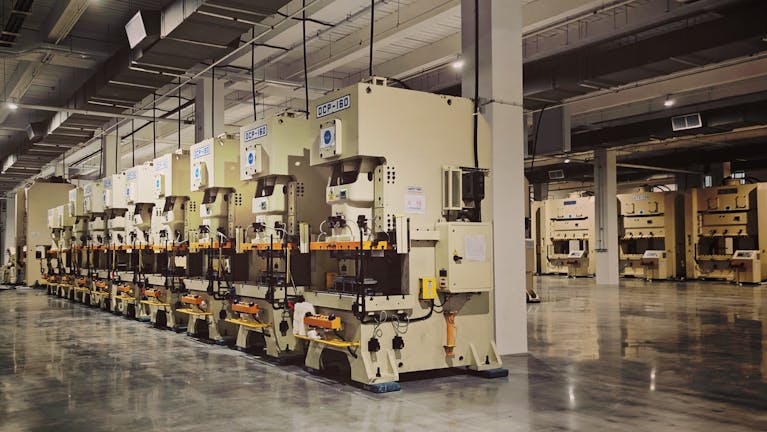
For machine selection, CNC press brakes with fine control and sensitive force feedback are recommended. Automated sheet feeders decrease manual handling, and rollers should have non-marring surfaces. Efficient setups not only cut down on material damage but also promote a smoother workflow, reducing labor hours and increasing finished part consistency.
Addressing Cracking and Brittle Failure During Sheet Bending
One major issue when bending zinc-coated sheet is the tendency for the zinc layer to crack or, worse, for the underlying steel to fail in a brittle manner, especially with tight bends or at low temperatures. Failures often stem from not accounting for the added hardness and lack of ductility the zinc coating brings to the table.
The best practice is to bend at a radius at least equal to the sheet thickness, and preferably larger if design allows. Progressive dies and CNC-controlled brakes can dial in bend angles more precisely, reducing stress concentration. Encourage your sales team to highlight these machine capabilities—being able to guarantee reduced cracking is a strong selling point on complex work.
Machine-wise, invest in programmable press brakes that offer adjustable speed and force application. Adding heated bending options, if your product line permits, can also reduce cracking by softening the zinc/steel combination. Using transfer tables or conveyors between forming stations can further reduce the risk of accidental damage and minimize manual handling, streamlining the entire assembly process.
Minimizing Fume Hazards and Spatter When Welding Zinc-Coated Materials
Zinc vaporizes quickly under the heat of welding, creating hazardous fumes. These can not only endanger your team’s health but also introduce porosity, weak welds, and excessive spatter on parts, all leading to possible warranty claims and high scrap rates if not managed.
Effective fume extraction is essential. Position downdraft tables or local exhaust vents directly at the weld zone, and consider investing in fume extraction MIG guns for mobile work. Fabricators that promote their safety investments frequently win more business, since customers value compliance and low-risk production partners.
For weld quality, pre-grinding the weld area to remove zinc (where design allows) will markedly reduce fume and spatter. Recommend this as an add-on service, since it adds value and protects the longevity of the product. Choose welding power sources with programmable, pulsed MIG capabilities, which allow operators to control heat and minimize zinc vaporization. Robotic welding stations can also streamline workflow and reduce inconsistencies common with manual processes.
Selecting Compatible Bending and Welding Techniques for Zinc Applications
Not all bending and welding techniques are equal when it comes to zinc-coated steel. Some cause excessive damage to coatings, while others provide clean, efficient joints and bends.
For bending, air bending is generally gentler on zinc coatings than bottom bending, since it applies less overall force and allows for easier coating preservation. CNC press brakes with quick-change tooling let you swap between dies for different radii, boosting flexibility for small-batch and high-mix orders.
On the welding side, low-heat input MIG or TIG welding is advisable for sensitive parts. Offer pulse welding as a premium process, as it reduces overall heat, limits distortion, and preserves more of the protective zinc. Automated and semi-automated systems with material handling integration can move assemblies quickly from bend to weld stations, minimizing idle time and operator labor while ensuring consistent orientation and quality along the line.
Efficient fabrication shops invest in conveyance tables, integrated clamps, and robots for repetitive tasks. These reduce manual lifting, ease scheduling bottlenecks, and present a strong ROI on big jobs.
Enhancing Product Quality and Durability Through Optimal Zinc Handling Practices
The ultimate goal is delivering a finished product that retains its corrosion resistance and structural strength. Damage during fabrication, particularly from improper handling of zinc layers, can negate the advantages of using coated steel in the first place.
Implement a clear material handling protocol—train teams not to drag or pry apart sheets, and use soft rollers, padded clamps, or even vacuum lifters for material transfers. This reduces surface marring and keeps protective coatings intact. Promote your handling expertise directly to customers, assuring them of higher long-term value with less post-fabrication touch-up.
For ongoing assembly, progressive systems that combine material loading, bending, joining, and relocation on shared tables or conveyors result in less movement and handling per unit. These streamline labor, cut down potential for accidental damage, and boost throughput, especially on higher-order volumes.
Promote inspections and non-destructive coating thickness checks as a value-added service. Offer end-to-end care—from initial material selection through value-engineered process sequencing—ensuring that your customers get reliable products with strong warranties.
FAQ: Zinc-Coated Sheet Metal Fabrication
What are the main benefits of using zinc-coated sheet metals?
They provide long-term corrosion resistance, reducing the need for costly repairs and coatings after fabrication.
How does proper machine selection affect process efficiency?
Using programmable, automated machines cuts handling steps, increases throughput, and reduces the risk of coating damage.
Do zinc fumes during welding add cost or risk?
Zinc fumes can cause health hazards (adding to insurance and compliance costs) and impact weld quality, both of which can be managed by the right fume extraction and prep protocols.
Can you recommend specific fabrication equipment for zinc-coated materials?
Yes. CNC press brakes with sensitive force feedback, programmable MIG welders with pulse function, and automated conveyor systems are ideal.
How can shops reduce overall handling to save money and improve throughput?
Integrated assembly lines and material handling systems move parts efficiently, require less manual labor, and protect zinc coatings.
Is it worth offering inspection and finishing services for zinc protection?
Absolutely. This can set your shop apart as a full-service provider and reduce costly customer claims due to poor corrosion performance.
For fabrication managers, handling zinc-coated sheet metal is about more than just reacting to problems as they arise. By proactively investing in appropriate technology, streamlining your assembly process, and consistently training your team, you’ll not only avoid pitfalls but also gain a reputation for reliable, high-value work. Take steps today to make your zinc fabrication line safer, more productive, and more cost-effective—it’ll pay off for your business and your clients alike.
Zinc-coated sheet metals, commonly used for their corrosion-resistant properties, present specific challenges in the fabrication process, particularly during bending and welding operations. These challenges can impact the efficiency, quality, and safety of production. This article provides a comprehensive overview of the practical solutions fabrication managers can implement to address these issues, ensuring smooth operations and high-quality outcomes. By understanding the unique properties of zinc-coated materials, managers can better navigate the complexities of metal fabrication, leading to improvements in efficiency, product quality, and workplace safety.
Maintenance Tips
- Regularly clean and inspect tools used for bending and welding to prevent zinc buildup, which can affect precision and lead to defects.
- Ensure that exhaust and ventilation systems are functioning properly to handle fumes generated during welding.
- Schedule routine checks of machinery alignment and calibration to maintain accuracy in bends and cuts.
Typical Cost Ranges
The cost of zinc-coated sheet metals can vary significantly based on thickness, quality, and supplier. Generally, prices range from $80 to $200 per ton, with additional costs for specialized coatings or treatments.
Performance Specs
- Corrosion Resistance: Excellent, due to zinc coating.
- Thickness Range: Typically 0.5mm to 3mm for standard applications.
- Tensile Strength: Varies with base metal but generally ranges from 270 to 550 MPa.
Buying Advice
- Consider the specific environment and application to select the appropriate thickness and type of zinc coating.
- Evaluate suppliers based on their ability to deliver consistent quality and adherence to industry standards.
- Ensure that the supplier provides documentation and certification of the material’s properties and treatment processes.
FAQs
- What are the main challenges of welding zinc-coated sheet metals? The primary challenge is managing the zinc fumes produced during welding, which can be harmful if inhaled. Additionally, the zinc coating can interfere with welding quality if not properly managed.
- How can I reduce zinc fumes during the welding process? Use proper ventilation and fume extraction systems, and consider pre-cleaning the area to be welded to reduce the amount of zinc present.
- What precautions should be taken when bending zinc-coated sheets? Ensure that the bending tools are clean and that appropriate pressure is applied to avoid cracking the zinc coating.
- Is it necessary to use special equipment for zinc-coated materials? While not always necessary, using equipment designed for or adaptable to zinc-coated materials can enhance results and prolong tool life.
- How does zinc coating affect the lifespan of sheet metal products? Zinc coating significantly increases the lifespan by providing a protective barrier against corrosion.
- Can zinc-coated sheet metals be painted or coated further? Yes, but it is essential to use compatible primers and paints to ensure adhesion and durability.
Zinc Challenges in Sheet Metal Bending and Welding: Practical Solutions for Fabrication Managers