Used Structural Steel Burning System for Efficient Metal Fabrication Operations
In the fast-paced world of metal fabrication, every production manager knows that efficiency, reliability, and cost control are the pillars of success on the shop floor. Meeting demanding schedules, minimizing material waste, and maximizing the capabilities of your crew all come down to the reliability of your equipment. When your operation depends on cutting structural steel with accuracy and speed, having the right burning system in place isn’t a luxury—it’s an essential part of delivering quality work. Fortunately, integrating a used structural steel burning system can offer a powerful mix of savings, capability, and performance, if you know what to look for and how to implement it.
Overview of Structural Steel Burning Systems in Metal Fabrication
Structural steel burning systems, sometimes called plasma or oxy-fuel cutting tables, are foundational machines in modern fabrication shops. These systems are designed to cut thick or complex steel profiles quickly and accurately, shaping beams, columns, and plates for assembly or further machining. In a facility turning out building frames, machinery bases, or heavy structures, the burning system is often the first touchpoint where raw material becomes a precise component.
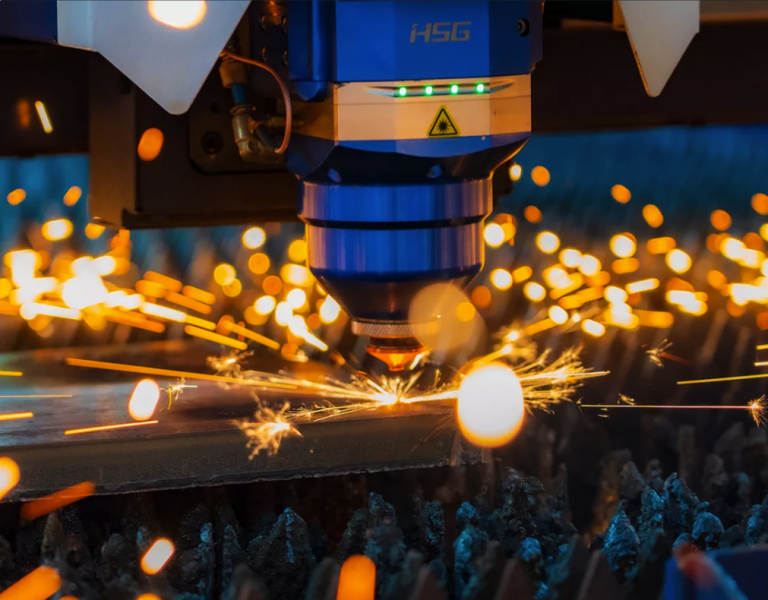
A burning system works by directing an intense energy source (a plasma arc or oxy-fuel torch) to sever steel exactly as programmed. This process can cut intricate shapes, slots, bolt holes, and even large-scale components with consistent repeatability. A pre-owned burning system, sourced through reputable machinery suppliers, gives you access to these capabilities without the steep upfront investment of a brand-new machine.
Key Features and Functionality of Used Burning Equipment
When considering a used structural steel burning system, it’s vital to look at specific features that will impact your day-to-day shop flow. Quality used machines—such as those listed at Mac-Tech—often come with advanced torch controls, programmable part nesting for material savings, and robust mechanical assemblies that have been built for years of production.
Look for features like CNC controls for repeatable accuracy, software integration for importing CAD files and automating geometry layouts, and dual plasma/oxy-fuel capabilities to handle a range of materials and thicknesses. Heavy-duty travel rails, precision drive systems, and reliable gas flow controls are essential for long-term performance. Machines equipped for progressive assembly, with integrated conveyors or pass-through tables, will minimize manual handling and speed up the entire fabrication process, keeping your crew moving with fewer bottlenecks.
Advantages of Integrating Pre-Owned Burning Systems into Operations
The main draw of a used burning system is clear: substantially reduced capital cost compared to buying new, but without sacrificing capability. Pre-owned equipment from trusted sources is rigorously inspected and often refurbished to factory specs, offering immediate productivity at a manageable price point. This allows your operation to scale up quickly, add redundancy, or replace outdated equipment with minimal financial risk.
Additionally, integrating a used system enables faster project turnaround by adding extra capacity or reducing the need for subcontracting. The latest models—even secondhand—are compatible with production software, so you can slot them into your existing workflow and train your crew efficiently. Machine recommendations from suppliers will help you match table size, cutting head technology, and automation level to your current and planned workloads, ensuring compatibility and operational smoothness.
Best Practices for Selecting and Installing Used Structural Steel Burning Systems
Selecting the right burning system starts with a clear understanding of your throughput, part sizes, and material types. Collaborate with suppliers who offer inspections, warranties, and installation assistance. Carefully review available specs such as cutting bed dimensions, maximum material thickness, power requirements, and software compatibility.
For installation, plan for logistical needs like ceiling height, floor reinforcement, ventilation, and proximity to material storage. Work with your machine provider for a progressive assembly and layout, so new workflows require less manual part handling. Integrate digital file transfer systems for less time spent programming at the machine. Look for training and support packages to minimize downtime during commissioning.
Machine recommendations include well-known brands like Messer, ESAB, and Hypertherm, which tend to have wide parts availability and established service networks. Choose models already proven in busy structural shops to minimize surprises after installation.
Maintenance Strategies for Optimized Performance and Longevity
Even the toughest burning systems require consistent maintenance to run at peak efficiency. Regular inspection and cleaning of cutting heads, drive rails, filters, and exhaust paths will prevent production delays and ensure cut quality. Used machines, when sourced from reliable dealers, receive pre-sale tuning and inspection, but your crew should be trained on daily, weekly, and monthly maintenance checklists.
Stocking critical consumables and replacement parts on-site—like nozzles, torch tips, and drive belts—will help avoid unplanned downtime. Use supplier resources to set up automated reminders for maintenance intervals. Invest in occasional calibration services to keep CNC controls and cutting paths precise, especially as machine age and heavy use can introduce wear over time.
Sales-based solutions include leveraging supplier-based annual service agreements and training packages to reduce the learning curve and safeguard productivity. Properly maintained used burning systems will deliver years of reliable, efficient cutting and robust ROI, even in demanding high-volume environments.
FAQ: Used Structural Steel Burning Systems
What are the main benefits of buying a used structural steel burning system compared to new?
You can access proven capabilities for a fraction of the cost, enabling faster scaling and freeing up capital for other investments.
Will used burning systems be compatible with our existing CAD and nesting software?
Most modern systems—especially those from top brands—are compatible with common CAD formats and have software integration options.
How do I know a used system is reliable?
Buy from reputable suppliers who inspect, refurbish, and offer warranties or support, ensuring you get a machine ready for production.
Can we achieve the same efficiency with used equipment as with new?
Yes, particularly if you choose systems with updated controls and regular maintenance—performance differences are often minimal.
What should I budget for maintenance and parts?
While used systems are durable, it’s wise to allocate funds for consumables and periodic parts replacement to ensure uninterrupted operation.
How quickly can a used burning system be installed and operational?
Depending on logistics and facility readiness, many used machines can be delivered and running within weeks, minimizing project delays.
Upgrading your metal fabrication process with a used structural steel burning system is a smart, practical move for shop managers who value efficiency, cost control, and proven performance. By planning ahead, working with trusted equipment partners, and following best-practices for installation and care, you can drive outstanding results for your team and your customers. If you’re ready to explore options or need tailored recommendations for your workload, don’t hesitate to reach out to an experienced machinery supplier for expert guidance and solution-focused support.
Used Structural Steel Burning System for Efficient Metal Fabrication Operations