Switching from Plasma to High-Power Laser Cutting for Structural Tubes with HSG Technology
In the world of fabrication, every production manager knows the industry’s relentless pressure to deliver high-quality components, on tight deadlines, and under cost constraints. With new demands for tighter tolerances and better finishes, it’s essential to regularly evaluate and upgrade your shop’s cutting technologies. Those who are ahead in adopting innovative solutions like high-power laser systems are not only reducing waste and rework but also increasing throughput. Let’s break down how switching from plasma to HSG’s latest high-power laser machines can address everyday challenges in structural tube cutting, all while supporting a more productive and profitable workshop.
Evaluating Current Plasma Cutting Limitations for Structural Tubes
Conventional plasma cutting has been a workhorse on shop floors for years, valued for its relatively low entry cost and flexibility with a range of metals. However, as customer requirements become more stringent, plasma cutting’s limitations are harder to ignore—especially for structural tube applications. There’s commonly an uneven kerf width, rougher cut edges, greater heat-affected zones, and more pronounced dross. These factors often require extra cleaning, grinding, and quality checks, slowing down your staff and increasing labor costs. Precision is also a struggle with plasma, especially on complex geometries and thinner-walled tube stock.
Sales-wise, shops relying purely on plasma may run into trouble landing more demanding jobs, or find themselves dealing with expensive part rejections and failing to meet tighter tolerances. Logistically, additional material handling is needed for secondary operations like edge straightening and deburring. Ultimately, plasma’s weaknesses translate to more downtime and missed productivity targets.
Leveraging HSG High-Power Laser Technology for Enhanced Precision
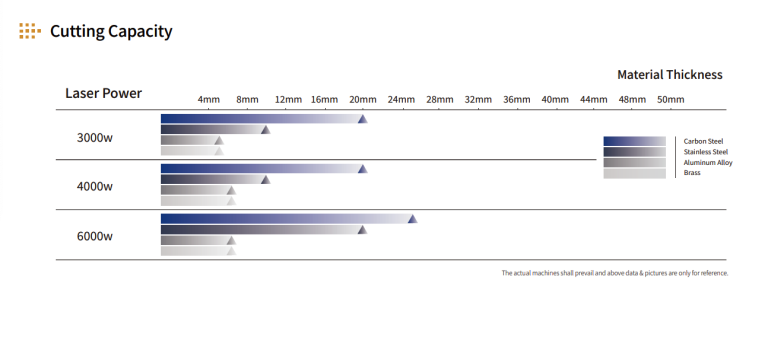
High-power laser tube cutting from HSG brings a step-change in accuracy. Thanks to their fiber laser sources (available from 3kW up to 12kW and beyond), these machines offer near-perfect cut geometry with laser-fine kerfs and superior repeatability across production runs. Whether you are processing mild steel, stainless, or aluminum tubes, the laser’s narrow, focused beam achieves tolerance levels far closer than plasma can, with positional accuracy typically within ±0.05mm.
From a sales and specification perspective, HSG’s tube laser machines like the TS2, TP65, or the high-speed T series are purpose-built for tube processing, with integrated software for part-programming, nesting, and even beveling. This all-in-one solution significantly reduces the technical gap between design and finished part—making it easier for operators with varying skill levels to hit your shop’s quality benchmarks.
Optimizing Tube Cutting Speed and Productivity with Laser Systems
It’s a common misconception that lasers are always slower than plasma on thicker materials. Today’s HSG high-power lasers have shattered that. With automated loading, unloading, and precision rotary chucks, these systems can process structural tubes at rates far greater than older CNC plasma setups. For common tube sizes (20–350mm OD, for example), it’s routine to see lasers outperform plasma in both cycle times and batch throughput.
Another advantage is workflow efficiency. A progressive assembly line is made possible with these automated laser systems, reducing manual loading and repositioning. Automated handling is integrated, so tubes are fed, cut, sorted, and ejected as part of a seamless process, further trimming non-cutting time between steps. The result is higher effective utilization, fewer labor hours per part produced, and greater overall output from the same floor space.
Achieving Superior Edge Quality and Minimal Post-Processing
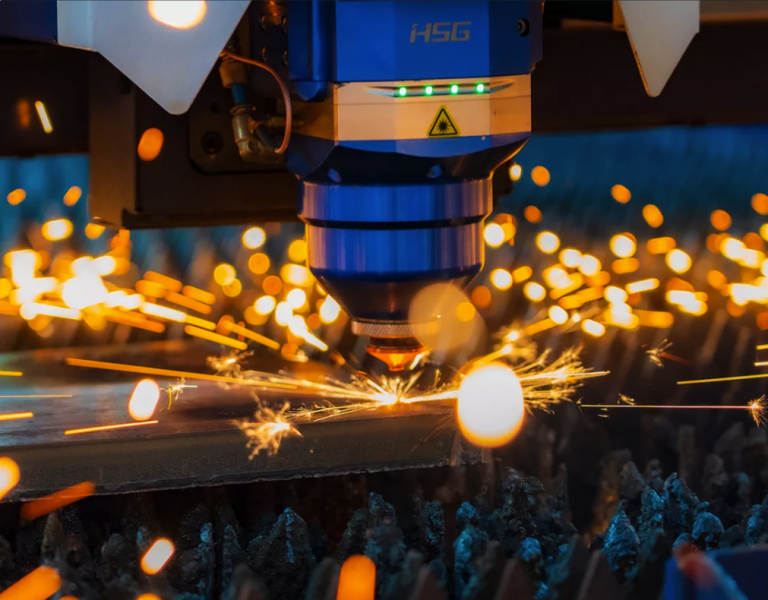
The cut-edge finish from an HSG high-power tube laser is a clear leap forward. The laser delivers a clean, almost polished edge with virtually zero dross or burr, even on thinner-walled or painted materials. The minimized heat-affected zone drastically reduces material hardening and warping, which means your team spends far less time running secondary cleaning operations.
For structural applications, this sort of edge quality is not just cosmetic—it simplifies and improves downstream processes like welding, bending, or assembly. Operators can move straight from the laser to joining or coating, boosting production speed. With less need for manual finishing, you’ll see lower labor costs, faster turnaround, and fewer steps where errors or damage can occur.
Maximizing Material Utilization and Reducing Operational Costs
One of the hidden costs with plasma is wasted material from wide kerf losses, irregular starts/stops, and inefficient nesting. HSG’s laser cutting software optimizes every length of tube with high-density nesting algorithms, ensuring you make the most of every bar. Laser’s fine kerf width, sometimes as little as 0.2mm, means you keep more material in the final parts and discard less scrap.
In terms of overall operational costs, transitioning to HSG laser reduces the need for consumables (nozzle tips, gas, or routine torch hardware), and maintenance intervals are much longer. The result is fewer stoppages and less money tied up in spare parts and repairs. With less material handling, one worker can oversee what used to require several, freeing up your workforce for other high-value jobs around the shop.
Frequently Asked Questions (FAQ)
How much faster can an HSG laser cut tubes compared to my plasma setup?
For most structural tube profiles, you can expect 2–4 times faster cutting speeds, with even greater savings when factoring in reduced post-processing and handling.
Will my operators need special training to use HSG’s laser machines?
While some initial training is recommended, HSG systems are designed for ease of use, with intuitive touchscreen controls and onboard nesting software.
Does laser tube cutting really help reduce scrap and improve material yield?
Yes. The finer kerf and advanced nesting maximize usable parts per tube, often improving material utilization by up to 10% compared to plasma.
What about maintenance and downtime compared to plasma?
Laser machines require less frequent and less intensive maintenance than plasma setups, which means more uptime and productivity.
Are there upfront cost differences between laser and plasma?
Laser machines do cost more up front, but most shops see a rapid payback through savings on labor, material, rework, and higher throughput.
Can I process both round and shaped tubes on one HSG machine?
Absolutely. Most HSG laser tube machines can handle round, square, and rectangular tubes, as well as elliptical and custom profiles.
Switching your shop’s tube cutting capabilities from plasma to high-power laser is more than a technology upgrade—it’s a strategic business move that pays off in quality, speed, and bottom-line results. Whether you’re targeting new markets, solving real-world production headaches, or just looking to get more from your existing staff and material, HSG high-power laser technology sets your shop up for success. If you’d like tailored advice or a detailed cost-comparison for your facility, reach out to an HSG specialist to assess your application and discover the best-fit solution for your workflow.
Switching from Plasma to High-Power Laser Cutting for Structural Tubes with HSG Technology