Solving Common Fiber Laser Cutting Challenges
In the world of metal fabrication, fiber laser cutting has emerged as a revolutionary technology, offering precision and efficiency. However, like any advanced technology, it comes with its own set of challenges. This article delves into some of the common issues faced by metal fabrication company buyers when using fiber laser cutting machines, such as brake presses, shears, folders, and roll formers. By understanding these challenges and learning how to address them, you can optimize your operations and achieve superior results.
Understanding Fiber Laser Cutting Basics
Before diving into the challenges, it’s crucial to grasp the fundamentals of fiber laser cutting. This technology uses a high-powered laser beam to cut through various materials with precision. The laser is generated through an optical fiber, which offers several advantages over traditional CO2 lasers:
- Efficiency: Fiber lasers convert electrical energy into light more efficiently, reducing energy consumption.
- Speed: They can cut materials faster, especially thin metals.
- Maintenance: With fewer moving parts, fiber lasers require less maintenance and have a longer lifespan.
However, understanding these basics is just the starting point. As you delve deeper into using fiber laser cutting machines, you’ll encounter specific challenges that need to be addressed for optimal performance.
Tackling Material Thickness Issues
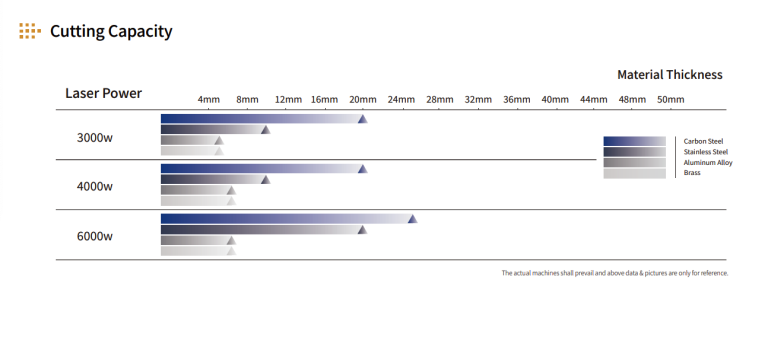
One of the most common challenges in fiber laser cutting is dealing with varying material thicknesses. Here are some strategies to overcome this issue:
-
Adjust Laser Power: Ensure that your machine’s laser power settings are appropriate for the material thickness. Higher power is needed for thicker materials, but excessive power can cause defects.
-
Optimize Cutting Speed: Slower speeds are generally better for thicker materials to ensure a clean cut. However, too slow can lead to overheating and material warping.
-
Use Appropriate Nozzles: Different nozzle sizes and shapes can affect the quality of the cut. Experiment with different nozzles to find the best fit for your material.
-
Regularly Check Focus: The focus of the laser beam should be adjusted according to the material thickness. A misaligned focus can lead to poor cutting quality.
By implementing these strategies, you can effectively manage material thickness issues and improve your cutting results.
Overcoming Edge Quality Challenges
Achieving high-quality edges is essential for any metal fabrication project. Here are some tips to enhance edge quality when using fiber laser cutting:
-
Ensure Proper Beam Alignment: Misalignment can cause uneven edges. Regularly check and adjust the alignment of the laser beam.
-
Maintain Clean Optics: Dirty or damaged optics can scatter the laser beam, affecting edge quality. Regular cleaning and maintenance are crucial.
-
Choose the Right Assist Gas: The type of assist gas (e.g., nitrogen, oxygen) can impact the cutting process. For instance, nitrogen can provide cleaner edges by preventing oxidation.
-
Monitor Cutting Parameters: Parameters such as power, speed, and focus should be carefully controlled and adjusted based on the material and desired edge quality.
By focusing on these factors, you can significantly improve the edge quality of your cuts, leading to better overall results in your fabrication projects.
Fiber laser cutting is a powerful tool in the metal fabrication industry, but it requires careful attention to detail to overcome common challenges. By understanding the basics, addressing material thickness issues, and focusing on edge quality, you can optimize your operations and achieve superior results. For more insights and solutions to common fiber laser cutting challenges, visit Solving Common Fiber Laser Cutting Challenges.
Fiber laser cutting has revolutionized the metal fabrication industry by providing unmatched precision and efficiency. However, it also presents a variety of challenges that fabricators frequently encounter. Common issues include material compatibility, maintenance requirements, and operational efficiency. This overview will explore these challenges, offering insights and solutions to help metal fabrication companies optimize their operations and enhance productivity. By understanding the basics of fiber laser cutting and addressing these common problems, businesses can ensure superior results and maintain a competitive edge.
Maintenance Tips
- Regularly clean and inspect lenses and mirrors to ensure optimal performance.
- Check the alignment and condition of the laser beam path frequently.
- Schedule periodic maintenance checks with certified technicians to prevent unexpected downtime.
- Replace consumables like nozzles and protective glass as needed to maintain cutting quality.
Typical Cost Ranges
The cost of fiber laser cutting machines can vary widely based on power output, brand, and features. Generally, these machines range from $50,000 for entry-level models to over $500,000 for high-end, industrial-grade systems.
Performance Specs
- Power Output: Typically ranges from 500W to 12kW, depending on the machine.
- Cutting Speed: Varies with material type and thickness, but can reach up to 60 meters per minute for thin sheets.
- Precision: Can achieve tolerances as tight as ±0.1 mm.
Buying Advice
- Assess your production needs to choose the appropriate power and size.
- Consider the types of materials you will be cutting and ensure the machine is compatible.
- Evaluate the total cost of ownership, including maintenance and consumables, before purchasing.
- Look for machines from reputable manufacturers with good support and warranty options.
Frequently Asked Questions
What materials can be cut with a fiber laser? Fiber lasers can cut a wide variety of metals including steel, aluminum, brass, and copper, as well as some non-metal materials like plastics and composites. How does fiber laser cutting differ from CO2 laser cutting? Fiber lasers are more efficient and have a longer operational life compared to CO2 lasers. They can also cut reflective materials more effectively and generally have lower maintenance requirements. What are the common challenges in fiber laser cutting? Common challenges include managing heat distortion, achieving consistent cut quality, and maintaining the equipment for optimal performance. How can I improve the cut quality of my fiber laser machine? Ensure proper machine calibration, regularly maintain components, and use high-quality materials. Adjusting laser parameters to match material specifications can also improve cut quality. What safety precautions should be taken when operating a fiber laser cutter? Always wear appropriate eye protection, ensure proper ventilation, and follow all manufacturer safety guidelines to prevent accidents. How often should a fiber laser cutter be serviced? It is recommended to perform maintenance checks every 1,000 hours of operation or as suggested by the manufacturer to ensure longevity and performance.Solving Common Fiber Laser Cutting Challenges