Selecting the Best Press Brake for Laser-Cut Long Parts and Thick Plate Fabrication
A well-run fabrication shop demands a strong commitment to craftsmanship, technical know-how, and continuous process improvement. Today’s production and operations managers face growing demands for tighter tolerances, shorter lead times, and higher volumes—especially when laser-cut, long-form, and thick plate components are in the mix. Selecting the best press brake for your shop is both a technical and strategic decision. Making the right choice means smoother workflow, reduced rehandling, more accurate bends, and greater safety for your team. The following guide is designed with a practical production mindset, giving you clear steps and essential considerations for investing in a press brake tailored to laser-cut long parts and heavy plate fabrication.
Understanding Material and Part Length Requirements
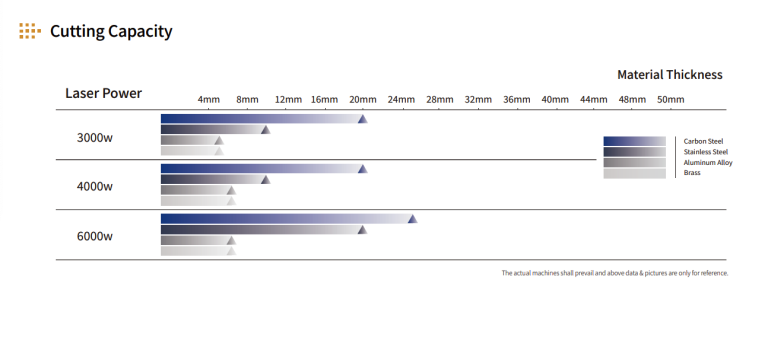
The first step is understanding what you’ll be bending—and just how big those pieces really are. Your material list dictates a lot: mild steel, stainless, and aluminum each bend differently, and thick plate brings its own set of challenges. Measure and record the maximum thickness, widths, and lengths of the parts your laser can cut. There’s little point in investing in a press brake that can’t handle your largest or thickest job.
Sales reps will often recommend specifying a machine at least 10 to 20 percent larger than your most common part length to provide flexibility. For example, if your shop regularly cuts 10 ft sheets but occasionally lasers 12 ft components, a 14 ft brake gives you flexibility, lets you run tandem setups, or process two smaller jobs side by side. Popular recommendations include the Accurpress Advantage series or Trumpf’s TruBend for consistent, high-output shops.
From a logistical standpoint, consider your progressive assembly process. If you’re aiming for less material handling, longer bed lengths permit you to stage multiple bends in one setup. This promotes flow and keeps your operators focused on value-added tasks instead of shuffling heavy components around the shop.
Evaluating Tonnage and Bending Capacity for Thick Plate
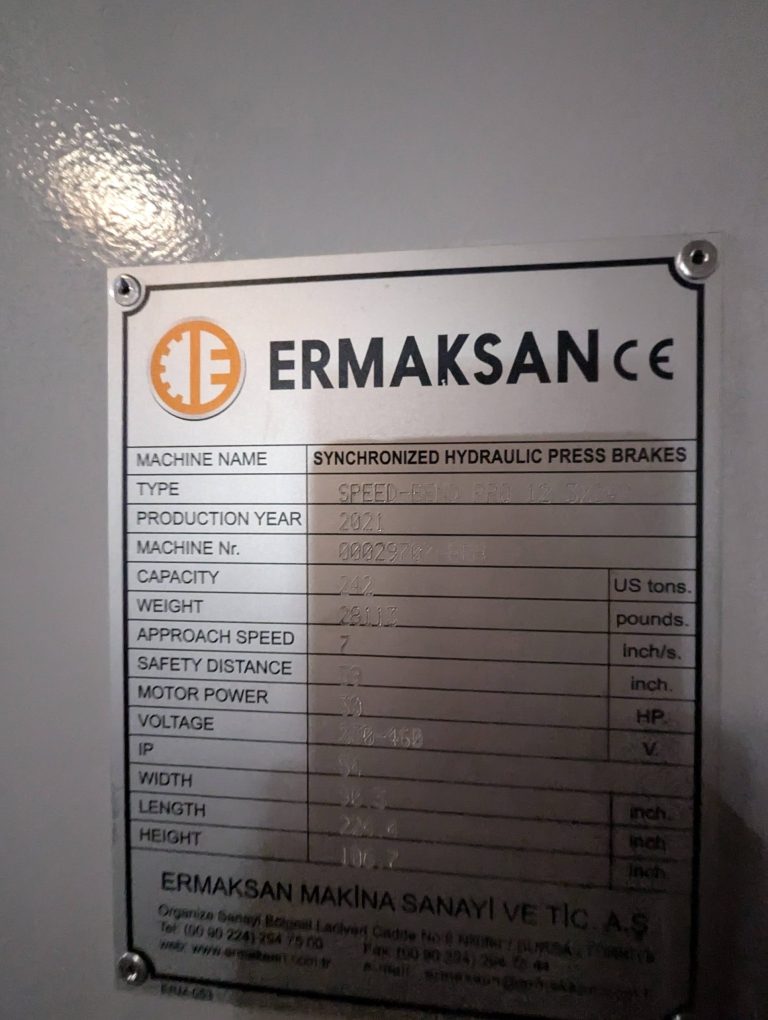
Tonnage defines both the strength and versatility of your press brake. Thick materials—especially mild steel or alloy plate over 3/8"—require significant bending force. The tonnage rating must exceed the calculated requirement for your thickest, longest bends. Be wary of underspecification, particularly if your operators load parts unequally or off-center, which can lead to poor bends or machine wear.
Calculating tonnage is tied directly to the thickness, length, and material type. Most reputable press brake suppliers provide easy-to-use calculators or can quote your typical applications. As a general rule, a 1/4" mild steel sheet at 10 ft length needs a minimum of 150 tons, but a 3/4" thick plate may require 600 tons or more.
Production managers benefit from selecting a press brake with slightly more capacity than presently needed, positioning the shop for new opportunities and minimizing risk of downtime from overstress. Amada’s HG series or Bystronic’s Xpert models are highly regarded for heavy plate fabrication, featuring robust frames and hydraulic systems designed for thick, high-tensile plates.
Prioritizing Bed Length and Backgauge Precision for Long Parts
Handling long laser-cut parts requires a press brake bed that matches or exceeds the length of your typical workpieces. The bed length is crucial, but equally important is the precision and repeatability of the backgauge system—this determines the accuracy of every bend along your part’s full length.
Look for machines with multi-axis, servo-driven backgauges and features like CNC-crowning, which compensates for bed and ram deflection over longer parts. Tier-one brands, like Durma and SafanDarley, offer customizable backgauge fingers and modular bed extensions, ideal for fabricators designing custom assemblies on the fly.
Keep efficiency at the forefront: a longer bed not only fits big parts, but also allows simultaneous processing of multiple smaller components, maximizing output. Advanced backgauge systems reduce manual adjustment, letting operators load-n-go, which cuts down on bottlenecks and improves throughput.
Comparing Hydraulic, Electric, and Hybrid Press Brake Technologies
Technology matters in high-mix, laser-cut operations. Hydraulic press brakes are the traditional workhorses, prized for heavy tonnage and durability in thick plate applications. Electric presses offer energy savings, speed, and ultra-high accuracy, but sometimes lack punch for ultra-thick materials. Hybrid machines deliver a best-of-both-worlds solution—combining hydraulic force with electric precision.
Production-driven shops often select hybrids or advanced hydraulics for thick and long parts, striking a balance between raw power and fine control. Consider LVD’s ToolCell Hybrid or Trumpf’s TruBend Series 5000, both known for high speed, energy efficiency, and robust performance. Remember that electric and hybrid machines frequently offer reduced operating costs through lower energy use and less required maintenance.
Operationally, the right technology helps your shop scale up without overbuilding. Match machine sophistication and cost to your production mix and volume: heavy plate specialists should lean toward big hydraulic frames, while high-throughput, thinner-gauge shops might value electric or hybrid options.
Assessing Advanced Features for Laser-Cut Part Integration
Compatibility with upstream laser-cutting processes adds significant value. Modern press brakes can import DXF files, communicate directly with the shop’s CAD/CAM software, or integrate with ERP/MRP systems. Look for user-friendly touchscreen interfaces and offline programming options to keep set-up times minimal.
Choose models with automated tool changers or quick-clamp systems—these features let a single operator change from long part setups to complex multi-bend pieces in minutes. High-end options like Bystronic’s Xpert Pro and Amada’s EG-AR series offer automated tool and part programming, minimizing risk of human error, and enabling lights-out or semi-automatic running.
For progressive assembly, integrated barcode scanning allows rapid program recall for repeat jobs, keeping the production line flowing with far less material hustle. These digital features streamline the transition from laser cutter to brake, reducing wait times and rework.
Ensuring Robust Tooling and Safety Adaptations
Tooling and safety go hand-in-hand in high-mix, heavy-plate environments. Invest in high-quality, segmented tooling rated for your maximum tonnage and applications—brands like Wila and Wilson Tool offer modular setups that simplify operator training and support complex bends.
For thick plate, heavy-duty precision-ground tools ensure consistent, repeatable bends. Machine-side safety upgrades, such as laser-guided light curtains, interlocked covers, and ergonomic foot pedals, should be standard, not an afterthought.
Sales professionals will advise starting with a versatile tooling package that matches your shop’s current parts lists, but also planning ahead with expansion kits or custom gauges for specialty work. Streamlining safety approaches is vital, especially if your operators are intermittently moving hefty laser-cut blanks from worktables to the press brake.
FAQ
What are the main benefits of a longer bed press brake?
It allows for large parts or multiple smaller parts to be formed in one setup, reducing handling and speeding up workflow.
How can I accurately determine the tonnage needed for thick plate bending?
Most suppliers provide tonnage calculators or will calculate requirements from your part specs; always add 10-20% for flexibility.
Are hybrid press brakes better for thick materials?
Hybrids combine hydraulic strength with electric speed and precision, making them a strong choice for shops handling both thick and complex parts.
Can press brakes integrate directly with laser cutting?
Yes, many modern models import CAD files, automate tool setups, and communicate with other machines for streamlined production.
What advanced safety features should I look for?
Light curtains, pressure-sensitive foot pedals, and interlocked guards help protect operators during high-capacity bending.
Is investing in automated features worth it for low-volume shops?
Even for smaller shops, automation speeds up tool changes and ensures consistency, often saving costs after a short payback period.
Ending
Successful fabrication of laser-cut, long, and thick plate components relies on matching the right press brake and technology to your workflow. Take time to understand your material mix, typical part sizes, production mix, and the digital tools that can link your lasers and brakes. By prioritizing tonnage, bed length, precision, flexibility, and operator safety, you set your team up for years of reliable, high-quality output with less downtime and easier expansion. If you’re unsure, lean on trusted manufacturers and industry peers—the right investment today can keep your shop at the front of the field tomorrow.
Selecting the Best Press Brake for Laser-Cut Long Parts and Thick Plate Fabrication