Reducing Cost Per Part with Optimal Laser and Press Brake Pairing for Metal Fabrication
Every day in the metal fabrication industry represents a new opportunity to improve efficiencies, exceed customer expectations, and deepen your company’s reputation for reliability and technical mastery. Shop floor leaders know that shaving seconds off each operation, reducing waste, and maximizing equipment utilization are at the core of driving down the cost per part. By making informed, strategic decisions about pairing the right laser cutting machine with the ideal press brake, you can not only lower expenses but also outperform the competition on lead times, quality, and profitability.
Understanding Cost Drivers in Metal Part Production
Metal fabrication costs are shaped by a mix of raw materials, machine capabilities, labor, and workflow inefficiencies. The bulk of the part cost centers around processing time and resource usage. This involves both laser cutting—turning raw sheet into profiles—and bending, which forms those profiles into finished parts. Every second spent waiting for equipment, repositioning parts, or handling material increases labor costs without adding value.
A smart production manager recognizes that bottlenecks, downtime, and mismatched equipment capacity can silently inflate costs. Being keenly aware of these drivers and continuously monitoring equipment utilization allows shops to reduce material waste, minimize rework, and keep operators focused on high-value tasks. Modern software and machine analytics now offer a transparent window into these hidden inefficiencies, leading to more informed purchasing and production decisions.
Sales-based insight: Metal fabricators wishing to stay competitive must regularly review their workflows and invest in equipment that sequences operations seamlessly, preferably through automation and real-time job tracking.
Machine recommendations: Evaluate machine data regularly. Machines like the Bystronic ByStar Fiber or Amada Ensis fiber lasers and the Trumpf TruBend or Amada HG-ATC press brakes are specifically engineered to integrate with shop floor software, offering transparency and control over the entire process.
Key Features of Modern Fiber Lasers for Sheet Metal Cutting
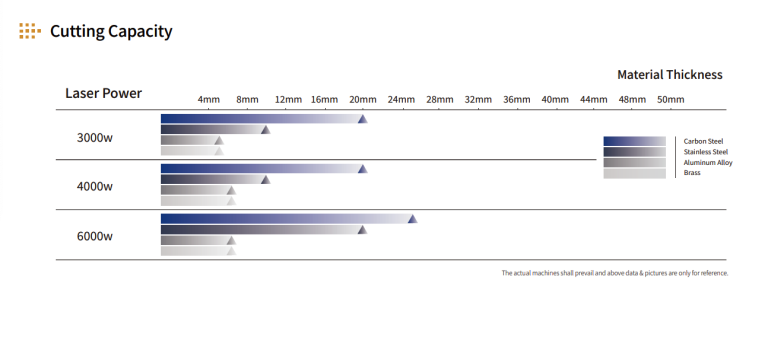
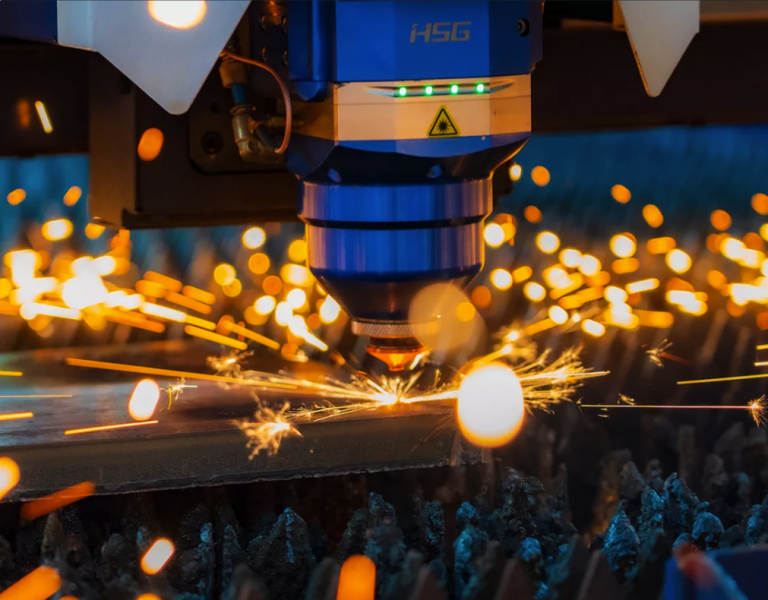
Fiber lasers have revolutionized the cutting floor with their unmatched speed, energy efficiency, and ability to process a wide range of materials and thicknesses. Compared to traditional CO2 lasers, fiber lasers use much less power for identical output and rarely need downtime-inducing maintenance. Key features that drive cost savings include rapid acceleration, intelligent nesting software, and the capability for automated nozzle changes.
Modern fiber lasers also offer thicker material cut capacity, edge quality better suited for downstream forming, and seamless communication with Material Requirements Planning (MRP) and Enterprise Resource Planning (ERP) systems. These features combine to minimize operator intervention, reduce scrap, and maintain consistent processing speeds—even in high-mix, low-volume jobs.
Sales-based insight: Investing in a fiber laser that matches your material types and expected throughput will pay off with faster cycle times and lower utility bills.
Machine recommendations: The Amada Ventis-AJ and Mazak Optiplex Fiber III offer real-time feedback, fast pierce times, and intelligent head technologies optimized for both mild steel and non-ferrous metals.
Technical knowledge: Consider machines that allow for quick changes between materials and fully automated load/unload systems to eliminate as much manual handling as possible.
Press Brake Selection for Maximizing Throughput and Accuracy
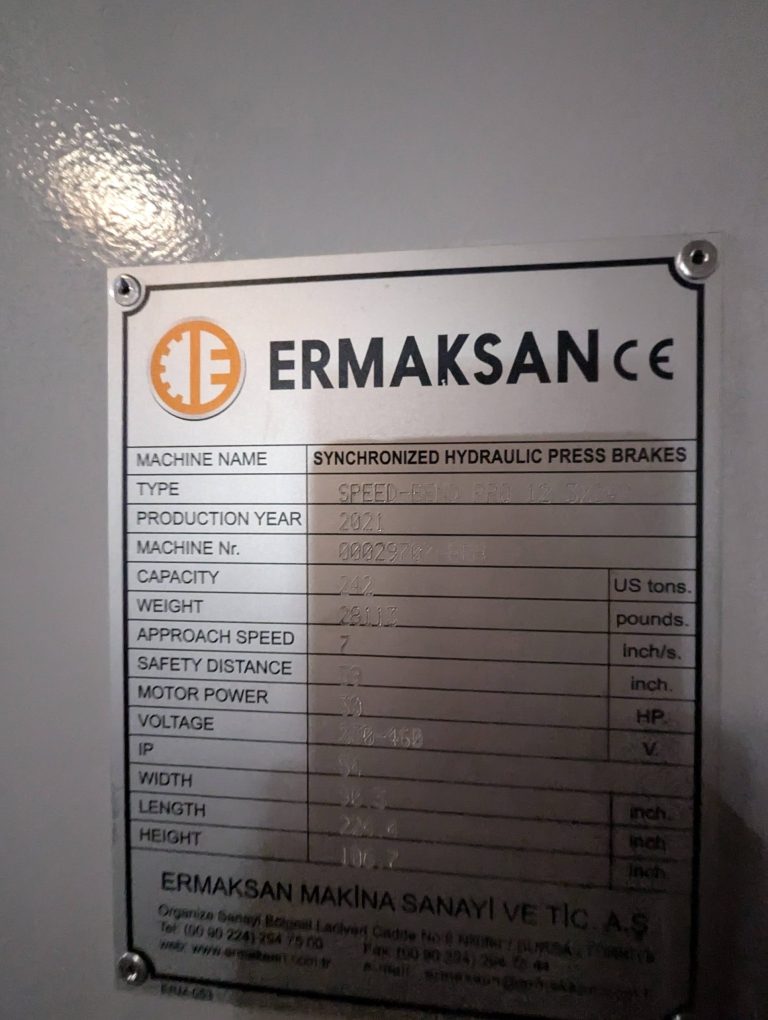
Once parts are cut, the next major cost opportunity lies at the press brake. Today’s high-performance press brakes go beyond force tonnage; they offer advanced CNC controls, automatic tool changers, and intelligent compensation systems that drastically reduce setup and cycle times.
Matching press brake capacity to cut part size and thickness is crucial: a brake that is too large wastes energy and floor space, while an undersized brake will slow down operations or cause rework. Look for features like active angle measurement, dynamic crowning, and high-speed beam movement, as these directly translate to tighter tolerances and less material wasted. Ideally, your press brake should mirror the maximum part sizes your laser can cut, ensuring a smooth flow from one process to the next.
Sales-based insight: Choose a press brake that fits the bulk of your daily workload rather than rare oversized jobs—this keeps your core operation lean and cost-efficient.
Machine recommendations: The Trumpf TruBend 5000 or Amada HRB series are equipped for short setup times, highly accurate bending, and can be paired with robotic part handlers for repetitive jobs.
Logistical knowledge: Whenever possible, utilize brakes with intelligent backgauges and offline programming to keep setup times as short as possible and reduce hands-on material manipulation.
Strategies for Matching Laser and Press Brake Capacity
Cost-effective fabrication depends on more than just high-performance machines. The real savings emerge when laser and press brake capacities are in sync, eliminating workflow hold-ups and operator idle time. If the laser outpaces the press brake, parts backlog and require more handling, increasing the risk of scratches or lost items. If the press brake is faster, it sits idle waiting for parts.
To balance throughput, assess average and peak workload statistics for both processes, then size machines appropriately. Automated part transfer systems and “lights-out” scheduling can bridge any unavoidable gaps. In shops focused on high-mix production, flexible changeover capabilities are more valuable than brute force speed.
Sales-based insight: Always consider how many parts per hour each machine can output, with an eye toward not just peak speed but changeover time and crew skill requirements.
Machine recommendations: Consider integrated manufacturing cells, like those from Salvagnini or Prima Power, where laser cutters and press brakes are designed to feed seamlessly into each other, reducing part wait times and doubling down on material flow efficiency.
Progressive assembly process: Establish “one-touch” flow cells where the part moves directly from laser to brake with minimal handling. Use carts, conveyors, or robots to link the two as tightly as your layout and budget allow.
Achieving Cost Savings Through Integrated Workflow Optimization
Lasting reductions in cost per part stem from fully integrated, data-driven workflows. This includes not just equipment selection, but leveraging automation, material handling solutions, and software to monitor every step. By eliminating unnecessary movement, double-handling, and manual tracking, you reduce both direct labor costs and the risk of errors.
Automation isn’t one-size-fits-all. Assess whether investments in automated storage retrieval, part sorting, or robotic offload make sense for your volume. For high-mix, start with software integration that automates order scheduling and part nesting. For repeat production, probe the ROI of adding robot part handlers at the laser and/or brake.
Sales-based insight: Bring your machine reps in early to study your floor layout and job mix—many hidden cost drains can be fixed through clever automation and flow design, often with minimal investment.
Machine recommendations: Source machines with open controls that can “talk” to your ordering, design, and scheduling software. Products like the LVD Dyna-Cell combine bending automation with vision systems for flexible part placement.
Efficiencies: Integrated work cells, timely CAD-to-shop floor communication, and intuitive operator interfaces build a stronger, more agile team. The right pairing and integration help produce quality work with fewer errors and less waste.
FAQ
What is the biggest benefit of matching my laser and press brake capacities?
You’ll see the fewest bottlenecks and lowest labor costs, as each part can move smoothly from cutting to bending with minimal waiting or handling.
How do modern fiber lasers lower my costs beyond speed?
They use less energy, require less maintenance, and cut a wider range of materials without stopping for tool changes or cleanings.
Is automation always worth the investment for small to mid-sized shops?
Not always. For high-mix, low-volume work, start by integrating software and flexible carts or conveyors. Add more automation as repeat work and volume grow.
What features should I look for in a press brake to maximize efficiency?
CNC controls, automatic tool changers, real-time angle measurement, and quick-change systems will all help reduce setup and cycle time.
When should I upgrade machines vs. optimize current workflow?
Audit your part flow and handling first—many savings come from layout changes or scheduling tweaks before new equipment is needed.
Need More Information?
Reducing the cost per part in metal fabrication requires more than just fast machines; it’s about harmonizing your laser and brake operations, optimizing the flow, and making smart investments in automation and software. By working closely with your equipment partners and keeping a sharp eye on shop-floor data, you’ll put yourself on a path toward higher throughput, lower waste, and greater profitability in every job. Curious how you can get there? Contact your trusted supplier or machine manufacturer for a workflow assessment tailored to your exact shop needs.
Reducing Cost Per Part with Optimal Laser and Press Brake Pairing for Metal Fabrication