Optimizing Metal Fabrication: Integrating Sheet Lasers and Electric Press Brakes for Efficient Production
Running a successful fabrication shop means more than meeting deadlines—it’s about striving for precision, efficiency, and superior product quality on a daily basis. As a production or operations manager, you know that modern customer demands keep changing, materials grow more diverse, and competition is fierce. The tools and processes you choose can make the difference between simply surviving and leading the industry. By pairing the latest sheet laser cutters with smart electric press brakes, forward-thinking shops are setting a new standard for speed, cost control, and flexibility. Here’s how you can tackle real-world fabrication problems, boost your bottom line, and deliver better results with less headache by integrating these powerful machines into your workflow.
Understanding Modern Metal Fabrication Challenges
Today’s metal fabrication job shops face intense pressure to deliver parts faster without sacrificing accuracy or increasing costs. Shorter lead times, complex geometries, smaller batch sizes, and material cost fluctuations are now the norm. Traditional workflows—marked by frequent bottlenecks, excessive handling, and manual setups—struggle to meet these challenges. Labor shortages further complicate things, making it more difficult to maintain throughput and consistency.
To stay competitive, you need solutions that minimize wasted time, cut down on manual labor, and ensure each part meets spec—every time. The key is adopting machinery and systems that not only keep up with demand but set the stage for growth, adaptability, and streamlined production.
Leveraging Sheet Laser Technology for Precision Cutting
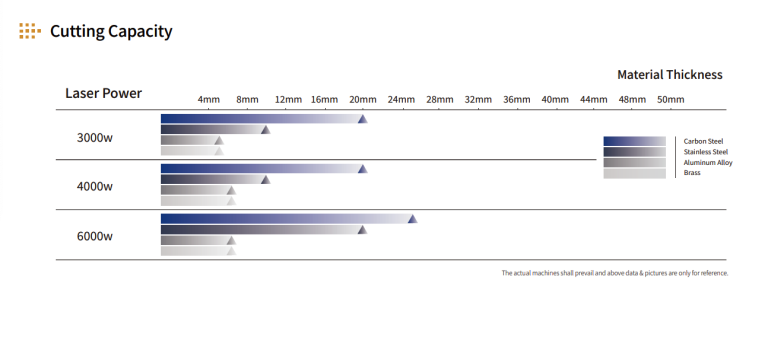
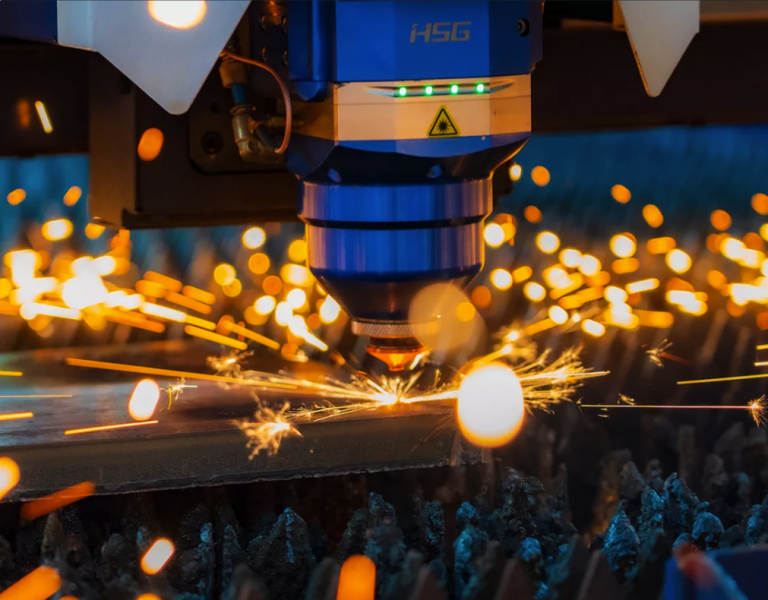
Fiber laser cutting machines are redefining the way metal shops process their sheet materials. Thanks to rapid cutting speeds, minimal heat-affected zones, and outstanding edge quality, fiber lasers like the Amada ENSIS Series or Bystronic BySmart Fiber deliver parts that are clean, accurate, and ready for forming or assembly—often with little need for secondary operations. Their ability to cut various thicknesses and materials, from mild and stainless steel to aluminum and copper, makes them a universal asset for shops handling diverse projects.
From a sales perspective, investing in the right laser cutter not only satisfies demanding customer requirements but also opens the door to new business opportunities, such as intricate cutouts or prototype work. Look for machines with automated load/unload tables for minimizing downtime. Integration with nesting software ensures optimal material utilization and less scrap, translating directly into cost savings and higher profitability.
Enhancing Forming Processes with Electric Press Brakes
Once flat blanks are cut, the forming stage is critical. Traditional hydraulic press brakes often require manual adjustments, regular maintenance, and lengthy setup times. Electric press brakes, on the other hand, like the Trumpf TruBend Series 7000 or Amada HG-ATC, revolutionize bending operations with servo-driven precision, faster cycle times, and repeatability that slashes rework rates. The ability to store and recall bend programs from a digital library dramatically cuts down changeover times, making small-batch production much more feasible.
Electric brakes consume less power, reduce maintenance requirements, and provide a cleaner workplace, ticking both efficiency and sustainability boxes. Automated tool changing features can remove the need for manual intervention between jobs, further boosting shop throughput. Sales teams can confidently promise shorter lead times and better consistency, knowing these machines are built for high-mix, low-volume realities.
Integrating Laser Cutting and Press Brake Operations for Seamless Workflow
The true productivity breakthrough comes from connecting your sheet laser and electric press brake workflows. A progressive assembly process, where cut parts move efficiently from laser to brake with minimal handling, unlocks significant gains. This integration can be achieved with conveyor systems, robotic part retrieval, or simple modular workstation layouts that minimize the number of times a part is touched by hand.
Choosing machines with compatible automation infrastructure—like standardized material carts or software platforms that synchronize cutting and bending sequences—makes it easy to schedule jobs, track progress, and adapt to change orders on the fly. For example, a shop that pairs a Bystronic ByStar Fiber with a Bystronic Xpert Pro Brake can use shared offline programming software, ensuring each part’s bend data matches its cut profile, reducing errors and setup time.
The practical result is less bottlenecking between departments, faster overall part flow, and greater flexibility to handle both rush jobs and regular contract work. Operators can spend more time on value-adding tasks and less on physically moving parts or prepping machines.
Maximizing Productivity Through Automation and Digital Connectivity
Automation is more than just robots; it’s about connecting every stage of the process. Fiber lasers and press brakes that support Industry 4.0 standards (such as OPC UA or Siemens SINUMERIK controls) can link to your ERP or MES systems, giving you real-time feedback on run status, material inventory, and quality metrics. This integration helps production managers spot bottlenecks, plan maintenance, and forecast material needs before they become critical issues.
Cobot-assisted bending, part sorting robots, and automated guided vehicles (AGVs) to shuttle materials are all worth considering as your shop grows. Solutions from companies like Salvagnini offer fully automated lines where cut blanks are robotically sorted, bent, and stacked for further processing, transforming your shop into a true lights-out operation.
These investments also deliver concrete sales value—customers appreciate traceability, consistent on-time delivery, and the ability to handle custom, complex jobs with the same reliability as repeat production runs.
Evaluating ROI and Sustainability in Metal Fabrication Integration
Adopting new technology always comes down to numbers. Fortunately, integrating sheet lasers and electric press brakes translates to outstanding return on investment. Faster changeovers, reduced scrap, lower maintenance costs, and better energy efficiency all contribute to payback periods that can be as short as two to three years for actively used equipment. Don’t overlook less tangible benefits, like improved worker safety and morale, both of which can reduce turnover and training costs.
Modern machines also consume far less power and hydraulic oil, shrinking your energy bill and environmental footprint. This boosts your green credentials, an increasingly valuable factor for securing larger, sustainability-conscious clients.
When choosing equipment, prioritize models with open integration support, scalable automation add-ons, and reputable after-sales service. Work closely with your capital equipment provider to scope your needs accurately and draft a stepwise implementation plan that doesn’t disrupt existing work.
Frequently Asked Questions (FAQ)
What are the biggest benefits of integrating sheet lasers with electric press brakes?
You gain faster processing times, better accuracy, less manual material handling, and increased flexibility to handle many job types.
Is it difficult to automate between laser cutting and forming stages?
Modern machines are designed with integration in mind, so adding conveyors, carts, or robots can be straightforward—just plan your shop floor layout accordingly.
Will these upgrades increase my operating costs?
No, they often lower maintenance, energy, and scrap costs. Electricity usage falls and processes take fewer labor hours.
Which machines should I consider for a mid-sized job shop?
Fiber lasers like the Amada ENSIS or Bystronic BySmart, and electric brakes like the Amada HG-ATC or Trumpf TruBend 7000 series are top choices for quality and support.
How can these technologies help me land more customers?
You’ll be able to promise shorter lead times, higher quality, and better consistency for both small batches and complex projects, widening your shop’s appeal.
Rethinking your metal fabrication workflow by integrating sheet lasers and electric press brakes can revolutionize both the pace and quality of your production. With wise equipment choices and an eye toward automation, your shop will be positioned to meet today’s tight schedules and tomorrow’s new challenges. For best results, consult with experienced equipment providers and involve your team in the transition for a smooth, confident upgrade that pays off quickly and sustainably.
For more guidance on selecting, integrating, or financing new fabrication equipment—or for advice on automating your workflow—reach out to your supplier or trusted industry consultant. Investing in the right combination of technology today will keep your shop competitive and profitable for many years ahead.
Optimizing Metal Fabrication: Integrating Sheet Lasers and Electric Press Brakes for Efficient Production