Material Hardness Effects on Cutting and Bending: Practical Guidance for High-Strength Alloy Fabrication
In today’s fast-paced fabrication environments, production managers must balance shop efficiency, budget constraints, and customer quality requirements. As high-strength alloys become standard in many industries, understanding how material hardness impacts machining and forming is critical. Proper planning, technical know-how, smart investment in machinery, and consistent procedures can make the difference between costly scrap and streamlined, profitable runs. This article breaks down the essentials for handling advanced alloys, giving you actionable solutions you can use on the shop floor right away.
Understanding Material Hardness in Alloy Fabrication
Material hardness is the measure of a metal’s resistance to deformation, particularly permanent indentation or scratching. In practical shop terms, the harder the alloy, the more difficult it is to cut and bend. Common high-strength alloys such as AR plate, HSLA steels, and Inconel are engineered for performance but can be tough on tooling and equipment.
Sales-focused solution: High-hardness alloys deliver superior product life and strength for your customers, making them a valuable market proposition. However, they demand more from your shop in terms of know-how and equipment capability.
From a logistics standpoint, pairing the right alloy with the correct processes early in the workflow can save unnecessary steps and minimize equipment wear. For example, feeding pre-tempered sheet through the correct machines in a progressive assembly line layout reduces handling times and risk of misplacement, streamlining overall production.
Selecting Appropriate Cutting Techniques for High-Strength Alloys
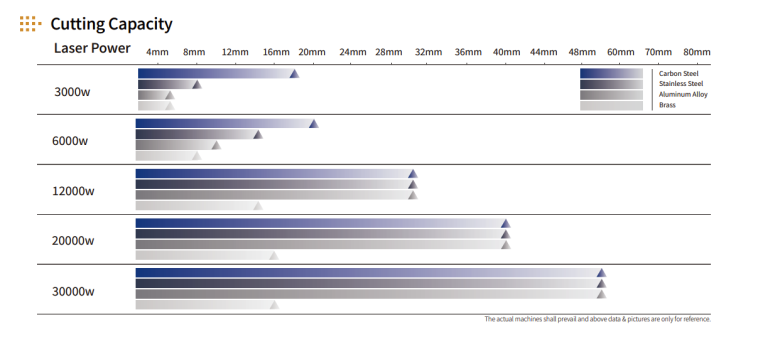
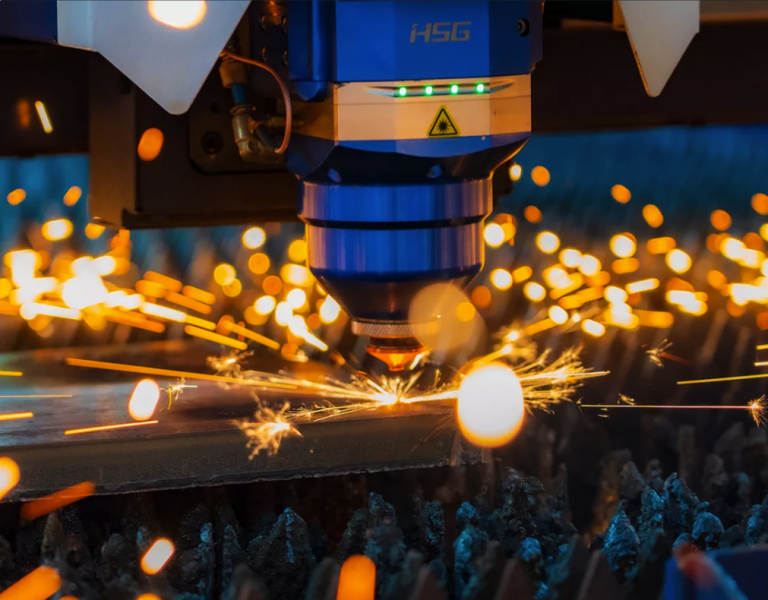
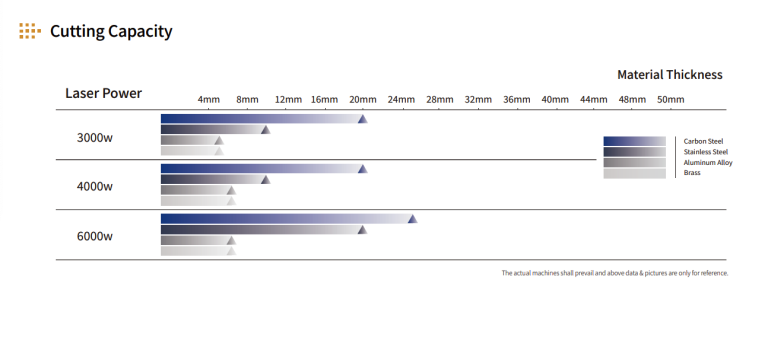
Cutting hard alloys is challenging: standard blades and saws often fail quickly, leading to increased downtime and consumable costs. Modern solutions include laser cutting, waterjet, and plasma systems. For mass production, fiber laser cutters are increasingly popular thanks to their speed and precision, especially on thinner-gauge material. For thicker plates, high-definition plasma or abrasive waterjets are recommended, as they produce less heat-affected zone and minimize warping.
Sales insight: Investing in advanced cutting technologies allows you to offer tighter tolerances and cleaner edges, which appeals to demanding customers in sectors like aerospace or heavy equipment manufacturing.
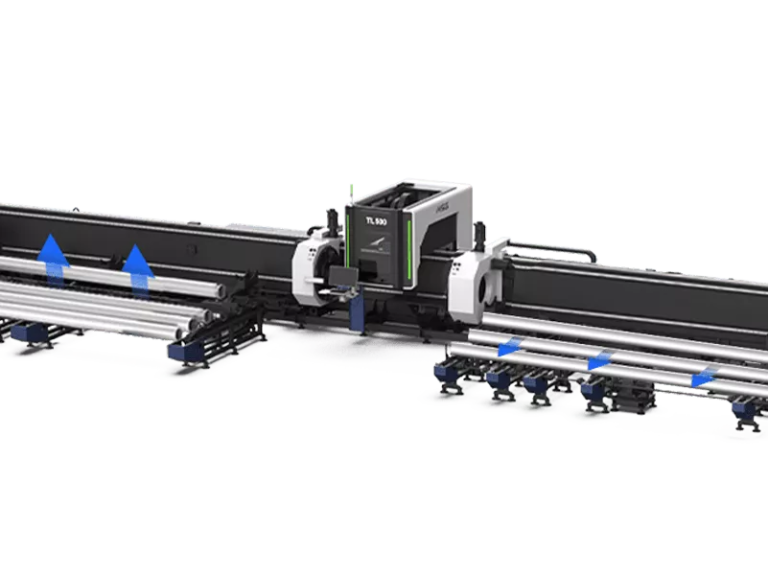
Technical considerations: Cutting equipment must be rated to handle the hardness and thickness of each alloy type. Machines with CNC automation and material handling tables can reduce manual lifting, boosting efficiency. Organizing cutting as part of a flow line—for example, from raw sheet staging to cut-to-size to immediate forming—saves precious floor time and reduces rework from misplacement.
Optimizing Bending Operations to Prevent Cracking and Springback
Hard materials are more prone to cracking during bending, and they often “spring back” more than softer metals, meaning your formed part can end up under-bent. Key solutions include using press brakes rated for high-tonnage, applying correct V-die openings (typically 8x material thickness for tough alloys), and incorporating CNC-controlled bend angle compensation.
Machine recommendations: Hydraulic and electric servo press brakes with real-time feedback systems are ideal for high-strength alloys. These systems adapt to changes in material properties on the fly, greatly reducing scrap rates.
Efficiency note: Upgrading to a press brake with automatic tool changers and programmable backstops speeds up setups, minimizes handling, and reduces operator error.
Sales consideration: Adding high-alloy bending capability to your shop lets you target work in industries like defense or specialty construction, where premium alloys are in demand.
Tooling Selection and Maintenance for Enhanced Performance
High-hardness materials will quickly wear down conventional tools, so tool material and condition are critical for sustained high performance. Opt for tooling made of heat-treated, high-vanadium, or carbide-tipped materials, which withstand the abrasiveness and pressure from modern alloys.
Technical and logistical tip: Implement a preventative maintenance schedule for your tooling and keep backup punches and dies ready for quick swaps. This avoids unscheduled stops and costly downtime. For progressive assembly, using modular tooling and presses that can be reconfigured reduces unnecessary part movement and speeds up the entire workflow.
Sales advantage: Offering quicker turnarounds and greater reliability makes you a preferred supplier, reducing client concerns about extended lead times due to tool maintenance or replacement.
Quality Control Measures to Ensure Precision and Consistency
With high-strength alloys, small errors in cutting or forming are magnified, potentially causing part rejection or fit-up issues. Implement in-line gauging and inspection systems, including optical measurement devices and flatness testers, right after each operation.
Machine recommendations: Coordinate measuring machines (CMM), laser profilometers, and automated part checkers can be integrated with modern fabrication lines for at-source quality verification.
Procedural guidance: Establish a documented protocol for first-piece inspection and random lot checks throughout the day. Training operators to recognize problems such as micro-cracks, poor edge finish, or inaccurate bends ensures intervention before bad parts pile up.
Sales perspective: Consistent quality control not only protects your brand reputation but can be positioned as a selling point to customers, especially those with demanding specification requirements.
FAQ
What are the main benefits of using high-strength alloys in fabrication?
These alloys increase the durability and performance of finished products, making them attractive for demanding environments—even though they require more robust shop equipment and expertise.
Which cutting machines are best for hard alloys?
Fiber laser cutters work well for thin material, while abrasive waterjet and high-def plasma are optimal for thick or tough alloys.
Do I need special press brakes for bending tough materials?
Yes, higher tonnage and feedback-equipped brakes are essential for accurate and safe forming of high-strength alloys.
How can I reduce the risk of tool wear?
Use premium tool steels and stick to a strict maintenance and replacement schedule to extend life and lower total costs.
Will advanced fabrication equipment speed up my operations?
Definitely. Automated systems not only improve throughput but also reduce labor and rework costs, making your shop more competitive.
Is investing in automated quality control systems worthwhile?
Yes, they help catch errors early, reduce scrap, and safeguard your reputation for delivering parts on spec every time.
Final Info
Moving into high-strength alloy fabrication has its hurdles, but with the right mix of planning, equipment investment, and process discipline, your shop can deliver top-tier products efficiently and reliably. Always align equipment capabilities with material properties and encourage ongoing training for your team so they can spot and solve problems before they add cost. By treating fabrication as a streamlined, quality-driven process, you position your operation for growth in the most competitive sectors of modern manufacturing.
In the realm of metal fabrication, particularly with the increasing prevalence of high-strength alloys, understanding the effects of material hardness on cutting and bending processes is crucial. As industries push for efficiency while adhering to budget constraints and quality standards, production managers must become adept at navigating the complex interplay between material properties and machining techniques. This involves not only technical expertise but also strategic investments in appropriate machinery and the establishment of consistent operational procedures. This guide provides practical advice for managing advanced alloys, focusing on optimizing shop floor operations to reduce waste and enhance profitability.
Maintenance Tips
- Regularly inspect cutting tools for wear and tear, especially when working with high-strength alloys, as these materials can accelerate tool degradation.
- Ensure that machines are calibrated correctly to handle varying material hardness levels, preventing unnecessary strain and potential damage.
- Maintain a clean and organized work environment to prevent contamination and ensure precision in cutting and bending operations.
Typical Cost Ranges
The costs of machinery capable of efficiently handling high-strength alloys can vary significantly. Entry-level machines suitable for smaller operations may start around $30,000, while advanced, high-capacity equipment for large-scale production can exceed $200,000.
Performance Specs
- Compatible with a hardness range up to 60 HRC.
- Precision cutting tolerance of ±0.005 inches for high-strength alloys.
- Capable of bending thicknesses up to 1 inch for certain alloy types.
Buying Advice
When purchasing machinery for alloy fabrication, consider the following:
- Assess the specific alloy materials and thicknesses you will be working with to ensure compatibility.
- Invest in machines with advanced features like automated tool changers and adaptive control systems to enhance flexibility and efficiency.
- Evaluate the total cost of ownership, including maintenance and energy consumption, rather than just the initial purchase price.
FAQs
What is the importance of understanding material hardness in fabrication? Material hardness affects how metals are machined and formed, impacting tool wear, precision, and overall production efficiency. How does high material hardness influence cutting tool wear? Harder materials tend to increase friction and heat during cutting, leading to accelerated wear of the cutting tools. Can standard machinery handle high-strength alloys effectively? While some standard machines can process high-strength alloys, specialized equipment is often required for optimal performance and longevity. What are the risks of not adjusting machinery for material hardness? Failure to adjust machinery can result in poor quality work, increased scrap rates, and potential damage to equipment. How often should machinery used for high-strength alloys be maintained? Machines should be inspected and maintained more frequently when used with high-strength alloys due to increased wear and tear. Is it possible to retrofit existing machines for better handling of high-strength alloys? Yes, many machines can be retrofitted with stronger components and advanced control systems to improve their capability with harder materials.Material Hardness Effects on Cutting and Bending: Practical Guidance for High-Strength Alloy Fabrication