Mastering Metal: Balancing Rigidity and Flexibility
In the world of metal fabrication, mastering the balance between rigidity and flexibility is crucial. Metal fabrication company buyers, such as those seeking brake presses, shears, folders, and roll formers, need to understand how to achieve this balance to ensure their projects are successful. This article will guide you through the essentials of metal fabrication, focusing on how to balance rigidity and flexibility to meet your project needs.
Understanding Metal: The Basics You Need to Know
Before diving into the complexities of metal fabrication, it’s important to grasp the basics of metal properties. Metals are generally categorized by their strength, ductility, hardness, and toughness. These properties determine how a metal can be manipulated and used in various applications. For instance:
- Strength: The ability to withstand an applied force without deformation.
- Ductility: The capacity to be stretched into a wire or thin sheet.
- Hardness: Resistance to surface indentation or scratching.
- Toughness: The ability to absorb energy and plastically deform without fracturing.
Understanding these properties helps in selecting the right metal for your fabrication needs.
Why Balance Matters in Metal Fabrication
Balancing rigidity and flexibility is crucial because it impacts the durability, functionality, and safety of the final product. Too much rigidity can lead to brittleness, while excessive flexibility might result in insufficient structural support. Achieving the right balance ensures that the metal can withstand operational stresses while maintaining its shape and purpose.
Rigidity vs. Flexibility: Finding the Sweet Spot
Finding the sweet spot between rigidity and flexibility involves considering the intended use of the metal component. For example:
- Structural components require more rigidity to support loads.
- Moving parts might need more flexibility to allow for motion without breaking.
The key is to tailor the metal’s properties to the specific demands of the application.
Choosing the Right Metal for Your Project
Selecting the appropriate metal involves evaluating factors such as:
- Project requirements: What are the strength and flexibility needs?
- Environmental conditions: Will the metal be exposed to extreme temperatures or corrosive environments?
- Cost considerations: Balancing quality with budget constraints.
Common metals used in fabrication include steel, aluminum, copper, and titanium, each offering unique benefits and limitations.
Techniques to Enhance Metal Rigidity
To increase metal rigidity, consider techniques such as:
- Heat treatment: Processes like quenching and tempering can enhance strength.
- Alloying: Adding elements like carbon or chromium to improve hardness.
- Work hardening: Deforming the metal to increase its strength.
These methods can help achieve the desired level of rigidity for your project.
Methods to Increase Metal Flexibility
Enhancing flexibility can be achieved through:
- Annealing: Heating and slowly cooling the metal to reduce hardness and increase ductility.
- Using thinner gauges: Thinner sheets of metal naturally offer more flexibility.
- Incorporating design features: Such as curves or bends that allow for movement.
These strategies ensure that the metal can bend or stretch as needed without breaking.
Tools and Equipment: What You Should Use
The right tools and equipment are essential for achieving the perfect balance of rigidity and flexibility. Consider:
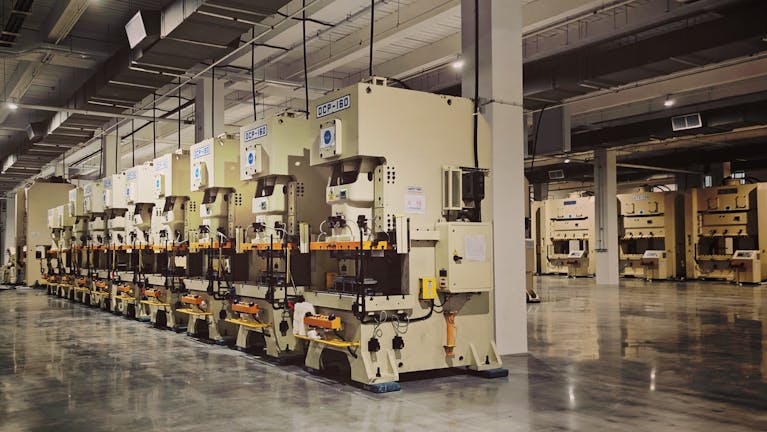
- Brake presses for bending and shaping metal sheets.
- Shears for cutting metal with precision.
- Roll formers for creating consistent shapes and profiles.
Investing in quality equipment can significantly impact the efficiency and quality of your fabrication process.
Common Challenges and How to Overcome Them
Metal fabrication comes with its own set of challenges, including:
- Material fatigue: Regular inspection and maintenance can help prevent unexpected failures.
- Precision issues: Using advanced CNC machines can enhance accuracy.
- Cost management: Efficient resource planning and waste reduction strategies can help control costs.
Addressing these challenges head-on ensures smoother operations and better outcomes.
Real-World Applications: Case Studies
Consider the following case studies to understand the practical applications of balancing rigidity and flexibility:
- Automotive industry: Using flexible metals for crash-resistant car frames.
- Construction: Employing rigid metals for load-bearing structures.
- Aerospace: Balancing both properties for lightweight yet strong aircraft components.
These examples highlight the importance of mastering metal properties in various industries.
Future Trends in Metal Fabrication Technology
The future of metal fabrication is exciting, with trends like:
- 3D metal printing: Allowing for complex designs with precise control over rigidity and flexibility.
- Smart materials: Metals that can change properties in response to environmental stimuli.
- Automation and AI: Enhancing precision and efficiency in fabrication processes.
Staying abreast of these trends can provide a competitive edge in the industry.
Mastering metal fabrication requires a deep understanding of the balance between rigidity and flexibility. By choosing the right materials, employing effective techniques, and utilizing the best tools, you can achieve optimal results for your projects. For more insights and resources, check out Mastering Metal: Balancing Rigidity and Flexibility.
In metal fabrication, mastering the balance between rigidity and flexibility is essential for ensuring project success. Companies looking to invest in equipment like brake presses, shears, folders, and roll formers need a thorough understanding of how to manipulate these properties to meet specific project requirements. This involves not only selecting the right type of metal but also employing the correct fabrication techniques to optimize performance and durability. Understanding the basic properties of metals, such as strength and ductility, forms the foundation for making informed decisions in the fabrication process.
Maintenance Tips
- Regularly inspect machines for wear and tear to prevent breakdowns.
- Keep all moving parts well-lubricated to ensure smooth operation.
- Calibrate equipment periodically to maintain precision.
- Ensure proper training for operators to minimize user-induced errors.
Typical Cost Ranges
The cost of metal fabrication equipment can vary significantly based on functionality and quality. Basic models of brake presses and shears may start around $10,000, while more advanced or specialized machines can exceed $100,000.
Performance Specs
- Material Compatibility: Various metals including aluminum, steel, and copper.
- Cutting/Pressing Force: Up to 200 tons, depending on the model.
- Accuracy: Precision up to ±0.01 mm.
Buying Advice
When purchasing metal fabrication equipment, consider the specific needs of your projects, such as material type and thickness. Assess the machine’s capabilities to handle these requirements. Additionally, think about the long-term costs of maintenance and potential upgrades. It might be beneficial to invest in a more expensive model with lower operating costs over time.
FAQs
What metals are best for high-strength applications?
Steel and titanium are often preferred for high-strength applications due to their superior tensile strength and durability.
How can I ensure precision in metal fabrication?
Precision can be ensured by regular calibration of equipment and employing skilled operators with knowledge of advanced fabrication techniques.
What is the difference between a brake press and a shear?
A brake press is used for bending metal, while a shear is designed to cut metal sheets or plates.
Is it better to buy new or used metal fabrication equipment?
This depends on your budget and project requirements. New equipment comes with warranties and the latest technology, while used equipment can be more cost-effective but may require more maintenance.
What kind of maintenance schedule should I follow for metal fabrication machinery?
A daily inspection for surface wear, weekly lubrication of moving parts, and monthly calibration checks are recommended.
How do I choose between manual and CNC-operated machines?
Manual machines are typically more affordable and suitable for simple tasks, while CNC machines offer higher precision and efficiency for complex projects.
Mastering Metal: Balancing Rigidity and Flexibility