Mastering Fiber Laser Maintenance for Fabricators
In the fast-paced world of metal fabrication, staying ahead of the competition means keeping your equipment in top-notch condition. Among the most critical pieces of machinery in your arsenal is the fiber laser. These powerful tools are the backbone of precision cutting and shaping, making their maintenance a top priority. This article will guide you through the essentials of mastering fiber laser maintenance, ensuring your operations run smoothly and efficiently.
Why Fiber Laser Maintenance Matters
Fiber lasers are a significant investment for any metal fabrication company. Proper maintenance not only extends the life of your equipment but also ensures optimal performance. Here’s why it’s crucial:
- Maximize Efficiency: Regular maintenance helps in maintaining the laser’s cutting speed and precision, which are vital for meeting production deadlines and maintaining quality.
- Prevent Costly Downtime: Unplanned downtime can be a nightmare for production schedules. Routine checks and maintenance can prevent unexpected breakdowns.
- Ensure Safety: A well-maintained laser reduces the risk of accidents, protecting both your team and your investment.
- Preserve Equipment Value: Keeping your fiber laser in good condition helps retain its resale value, should you decide to upgrade or sell.
Essential Tools for Laser Upkeep
Having the right tools on hand is essential for effective maintenance. Here’s a list of must-have items for your maintenance toolkit:
- Cleaning Supplies:
- Lint-free wipes: Essential for cleaning optics without leaving residues.
- Isopropyl alcohol: Ideal for removing dust and grime from sensitive components.
- Alignment Tools:
- Laser alignment kit: Ensures that the laser beam is perfectly aligned for accurate cutting.
- Diagnostic Software:
- Laser diagnostic software: Helps monitor the laser’s performance and identify potential issues before they become serious problems.
- Protective Gear:
- Safety goggles and gloves: Protects the operator during maintenance tasks.
Pro Tips for Hassle-Free Maintenance
Maintaining a fiber laser doesn’t have to be a daunting task. Here are some pro tips to make the process smoother:
- Schedule Regular Inspections: Set up a maintenance schedule and stick to it. Regular inspections can catch small issues before they escalate.
- Keep a Maintenance Log: Document all maintenance activities, including dates and tasks performed. This helps in tracking the machine’s history and planning future maintenance.
- Train Your Team: Ensure that your team is well-trained in both operation and maintenance procedures. A knowledgeable team can perform basic maintenance tasks and recognize when professional help is needed.
- Stay Updated: Keep up with the latest advancements in fiber laser technology and maintenance techniques. This knowledge can help you optimize your maintenance strategy.
Mastering fiber laser maintenance is key to ensuring your metal fabrication operations run smoothly and efficiently. By understanding the importance of maintenance, equipping yourself with the right tools, and following expert tips, you can keep your fiber laser in peak condition. For more insights and resources on maintaining your fabrication equipment, visit Mastering Fiber Laser Maintenance for Fabricators.
Fiber lasers are a cornerstone in the metal fabrication industry, known for their precision cutting and shaping capabilities. As substantial investments for fabrication businesses, these machines require diligent maintenance to ensure longevity and optimal performance. This guide outlines essential maintenance practices that can help fabricators keep their fiber lasers in excellent condition, ensuring smooth and efficient operations.
Maintenance Tips
- Regularly clean the laser optics to prevent dust and debris accumulation which can affect performance.
- Ensure proper cooling system functionality to prevent overheating and damage to the laser.
- Check alignment of the laser beam frequently to maintain cutting precision.
- Update software and firmware as recommended by the manufacturer to leverage enhancements and fix bugs.
- Conduct periodic inspections of cables and connectors to identify and resolve wear issues early.
Typical Cost Ranges
The cost of a fiber laser can range from $20,000 to over $200,000, depending on the power, size, and additional features required for specific applications. Maintenance costs typically range from $1,000 to $5,000 annually, factoring in parts replacements and professional servicing.
Performance Specs
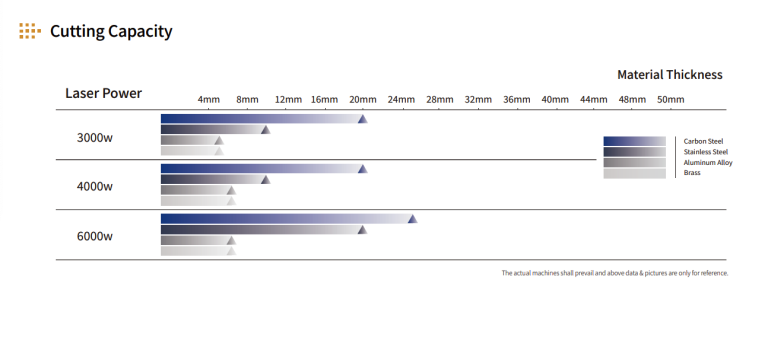
- Power Output: Typically ranges from 500W to 10kW.
- Cutting Speed: Up to 30 m/min depending on material and thickness.
- Precision: Capable of cutting with an accuracy of ±0.1 mm.
Buying Advice
When purchasing a fiber laser, consider the specific needs of your operation, such as the types of materials you will be working with and the required cutting speed and precision. Evaluate the reputation and customer support services of the manufacturer, and ensure that you have access to training and parts.
FAQs
What is a fiber laser? A fiber laser is a type of laser where the active gain medium is an optical fiber doped with rare-earth elements such as erbium, ytterbium, or neodymium. How often should fiber laser maintenance be performed? Basic maintenance, such as cleaning and inspection, should be conducted weekly, while more comprehensive servicing should be done every six months to a year depending on usage. Can I perform maintenance myself, or should I hire a professional? Routine cleaning and inspections can be performed by trained staff, but complex issues should be handled by professional technicians to avoid damage. How can I tell if my fiber laser needs maintenance? Signs include reduced cutting precision, slower speeds, unusual noises, or error codes on the machine’s display. What are the consequences of poor maintenance? Poor maintenance can lead to frequent breakdowns, reduced lifespan, and compromised cutting quality, affecting production efficiency. Is there a difference in maintenance between different fiber laser brands? While core maintenance principles are similar, specific procedures may vary based on the brand and model, so always refer to the manufacturer’s manual.Mastering Fiber Laser Maintenance for Fabricators