Comparison of Sheet and Plate Laser Cutters for Metal Fabrication: The Importance of Power and Beam Quality
Metal fabrication shops pride themselves on precision, throughput, and delivering the right results on time. With demanding jobs and tight deadlines, your operation depends on choosing the right tools—especially when it comes to laser cutting. There’s often debate about whether to invest in a sheet laser or a plate laser, and what really separates the two. But the heart of the matter centers on two things: laser power and beam quality. Understanding their impact on production can drastically improve your shop’s speed, quality, versatility, and profits.
Understanding Sheet and Plate Laser Cutters in Metal Fabrication
In practical terms, sheet and plate laser cutters are both tools designed to slice through metal with pinpoint accuracy, but they’re optimized for different types of work. Sheet lasers are engineered for thinner materials—typically under 6 millimeters—delivering fast, clean cuts in high-production environments. Plate lasers, on the other hand, can handle thicker slabs of steel and other metals, making them the go-to machines for heavy industry jobs.
For shop managers, the sales pitch isn’t just about thickness; it’s also about workflow. A sheet laser’s flatbed design allows feeding large sheets quickly, maximizing efficiency in progressive assembly lines where parts move rapidly from cutting to bending and welding. Plate lasers, often paired with heavy-duty material handling systems, excel in cutting thicker stock, such as structural steel plates for construction and machinery.
When deciding between the two, consider not only the average job thickness but also how often your team deals with mixed material types. Having both systems on your shop floor can minimize material handling, reduce bottlenecks, and maximize labor efficiency, especially if your workload fluctuates between high-mix, low-volume and high-volume, low-mix jobs.
The Role of Laser Power in Cutting Performance
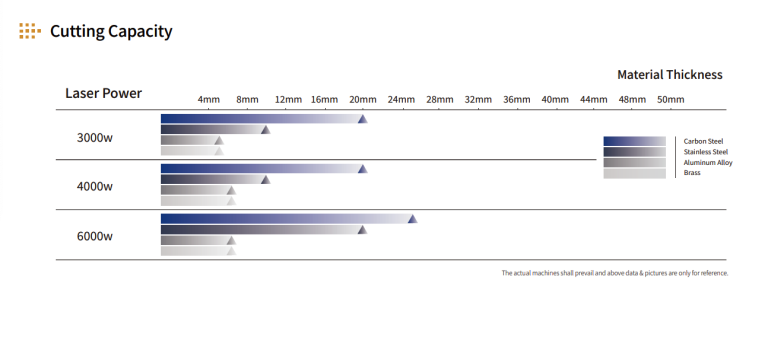
Power is commonly the first specification your sales rep will mention, and for good reason. Laser power, measured in kilowatts (kW), determines how quickly and effectively the cutter can process material. Higher power means faster cutting speeds and the ability to tackle thicker plates. For example, a 4kW laser may zip through 1/4-inch steel but labor over 1-inch plate, where a 12kW laser is in its element.
However, more power isn’t always better, especially if your regular workload consists mostly of thin-gauge sheets. Excessive power can cause unnecessary thermal distortion, wasted energy, and increased operating costs. Wise investment comes from matching machine power with common job requirements. For many shops processing 24-gauge to 10-gauge materials, a 3kW to 6kW sheet laser is ideal. Shops fabricating oilfield equipment or heavy machinery may require 8kW to 15kW plate lasers, paired with systems robust enough to safely handle large, heavy stock.
Consider machines from established brands like Trumpf or Bystronic for dependable power output and proven reliability in field conditions. For shops looking to expand capacity, working with suppliers that offer modular automation—such as stackers or part sorters—can help further reduce material handling, streamlining the process from plate to part.
How Beam Quality Influences Cut Precision and Efficiency
Laser power tells only half the story. Beam quality—often overlooked by buyers—is just as crucial. Beam quality describes how tightly and consistently the laser can focus, measured in terms like "BPP" (Beam Parameter Product). A high-quality beam produces a finer, more focused spot, delivering precise, burr-free cuts even at high speeds. This directly affects the cleanliness of your cut edge, dross formation, and the minimum kerf width achievable.
With superior beam quality, shops enjoy better part nesting (fitting more parts per sheet or plate) and less post-processing work such as grinding or rework. Machines offering high beam quality, like IPG fiber lasers or LVD’s fiber range, are especially beneficial where fine detailing, tight tolerances, or thin, reflective metals are required.
Sales teams will point out that while CO2 lasers have historically offered good beam quality for certain materials, modern fiber lasers now provide superior performance across both thin and thick metals, all with lower maintenance demands. Matching beam quality specifications to your tolerance requirements can lead to noticeable productivity gains and less wasted time on finishing processes.
Evaluating Material Thickness and Edge Quality for Application Success
The ideal laser cutter depends on what metals and thicknesses your team regularly processes. For shops cutting mild steel, stainless, and aluminum at up to 0.25 inches (6mm), sheet lasers excel with their rapid acceleration and optimized part flow. When thicker sections—up to 1 inch (25mm) or more—become common, a plate laser with high power and robust clamping systems becomes essential.
Reputable brands like Mazak, Amada, and Bystronic offer models designed specifically for each usage segment. It’s essential to test sample parts on any machine you’re considering. Evaluate both cut speed and edge quality, watching for minimal dross, smooth edges, and consistent taper. Edge quality directly impacts downstream operations—parts with poor edge quality will slow everything down as fabrication teams grind or finish them before further processing.
Adding an automatic part sorting or stacking system can substantially cut material handling times, particularly in mixed production environments. Discuss these features with your sales reps and consider total assembly-line integration, reducing the number of touchpoints each cut piece encounters before reaching the next operation.
Optimizing Machine Selection for Specific Metal Fabrication Needs
No two fabrication shops are the same, which means buying the right machine is about much more than specs on paper. Begin by analyzing your shop’s typical order composition: average material thickness, grade, and annual tonnage. If your production is split evenly between thin sheets and thick plates, you may benefit from two dedicated systems—one high-speed sheet laser for small parts, and one powerful plate laser for heavy fabrication.
For job shops needing flexibility, a hybrid or multipurpose cutter might offer the best value. Some manufacturers, like Salvagnini and Prima Power, provide modular solutions that expand with your operation, supporting progressive assembly schedules and reducing logistical hiccups.
Investing in laser cutters with intuitive software suites helps minimize training time, reduce operator error, and keeps your entire process running efficiently. Today’s leading machines integrate seamlessly with shop ERP or MES systems—improving work tracking, automation, and overall shop floor productivity.
For maximum efficiency, focus not only on the laser itself but also on auxiliary handling equipment—automated loaders, part sorters, and finished goods conveyors. These cut down on labor hours and material movement, boosting both speed and safety. Consult with your equipment supplier to map out a workflow that supports just-in-time manufacturing and minimizes costly downtime.
FAQ
What are the main benefits of choosing the right laser cutter for my shop?
The right machine boosts speed, reduces rework, improves part quality, and lowers overall production costs.
How does higher power affect operating expenses?
More powerful lasers consume more energy and may require enhanced safety systems, but deliver faster cutting and capacity for thicker materials—key for heavy fabrication.
Is beam quality more important than power for thin materials?
Yes, for thin sheet work, beam quality often matters more to ensure clean, precise cuts and minimize post-cut cleanup.
Can I process both sheet and plate metals with a single machine?
Some advanced machines can handle both, but for optimal efficiency and quality, dedicated systems are recommended for each range.
How can automation help reduce material handling?
Automated loaders and stackers move material directly from delivery to laser, and then onto the next assembly station, cutting manual transport and reducing errors or damage.
What machine brands should I consider for long-term reliability?
Major brands like Trumpf, Bystronic, Amada, Mazak, and LVD are established for durability, service, and integration capabilities.
Need More Information?
Choosing between sheet and plate laser cutters is about more than picking the biggest or most powerful machine. Take time to match your investment to your specific production mix, factory workflow, and growth plans. Consult with trusted suppliers, ask for real cutting samples on your shop’s materials, and consider how automation can tie the whole system together for maximum output and minimal waste. The right decision now will set your entire shop up for years of safe, efficient, and profitable operation.
Comparison of Sheet and Plate Laser Cutters for Metal Fabrication: The Importance of Power and Beam Quality