Coil to Laser Continuous Feed Integration for Efficient Metal Fabrication Production
Every successful shop floor requires a blend of grit, technical know-how, and a constant drive to improve. As production demands grow and the market becomes more competitive, staying ahead relies not just on hard work, but also on adopting systems that simplify labor, reduce costs, and boost throughput. Coil to Laser Continuous Feed Integration is one such system—perfectly suited to metal fabrication managers aiming for efficiency, reliability, and the ability to tackle real-world manufacturing challenges without unnecessary complexity.
Understanding Coil to Laser Continuous Feed Systems
Modern metal fabrication increasingly leans on solutions that reduce waste, speed up output, and minimize manual intervention. Coil to Laser Continuous Feed Systems represent a cutting-edge approach to automating the transition from raw material to finished parts. Essentially, rather than loading individual sheets onto a laser cutter, coil-fed systems deliver a steady strip of metal directly from the coil into the laser cutting cell. This approach eliminates the downtime and lost efficiency associated with traditional sheet handling.
Sales teams often highlight “lights out” production capabilities, but the true value comes in the reliability of consistently feeding material. By integrating continuous coil feeding with a precision laser, shops can realize both high throughput and exceptional part quality. This technology is a strong fit for shops that routinely process high volumes of similar parts, where production bottlenecks around material loading can slow schedules and inflate costs.
Key Components of an Integrated Coil to Laser Process
A robust coil to laser system consists of several interconnected components designed for seamless operation. First, an uncoiler carefully dispenses the metal strip from the coil roll, preventing kinks or material deformation. A straightener or flattener often follows, ensuring that the strip enters the feed system without curl or wave—essential for precise laser cutting. Next, an automated feeder advances the strip with pinpoint control into the laser’s cutting area.
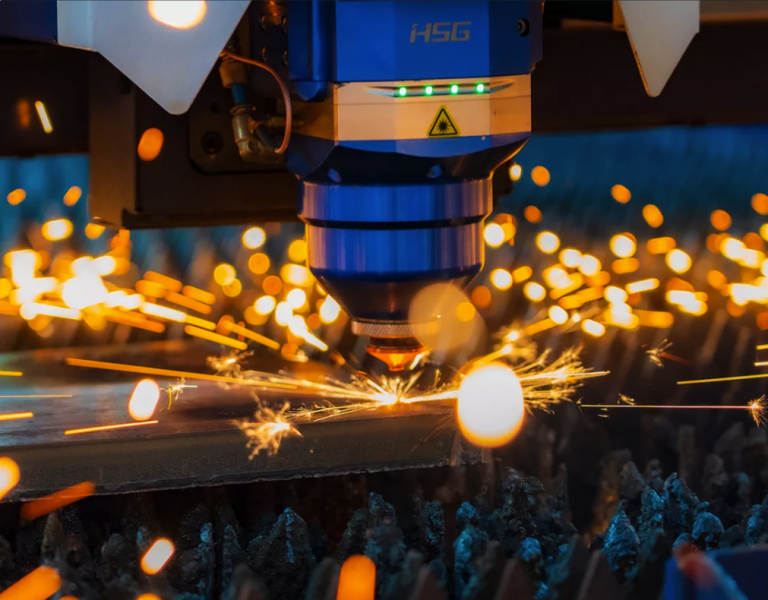
The laser system itself, typically a fiber laser for maximum speed and versatility, is paired with intelligent nesting software to optimize part layouts along the strip. Progressive assembly solutions, such as conveyors and stacking devices, may follow the cut, minimizing manual handling. For those looking to invest, consider brands like Mazak Optonics, Prima Power, or Salvagnini, who offer advanced, fully-integrated coil to laser solutions.
Technically, it’s important to match the coil width and thickness to the laser bed’s requirements—a common range is 0.5 mm to 6 mm thick, and up to 1,500 mm wide, but custom specifications are readily available. Progressive conveyors, quick-change coil carts, and advanced scrap management systems also help streamline the process, reducing downtime for tool changes and waste removal.
Workflow Optimization for Seamless Coil Feeding
For maximum efficiency, integrating the coil to laser line with upstream and downstream processes is critical. Layout design must prioritize direct, linear flow from coil storage to laser table to finished part stacking. Here, less manual labor is required, as most handling can be automated—saving time and reducing risk of error or injury. In practice, this means positioning the uncoiler and straightener close to the laser, linking them via modular conveyors.
Production scheduling also benefits from this integration. Coil-fed systems enable long, uninterrupted production runs of the same part or family of parts, freeing up operators for more value-added tasks. By implementing automated inspection stations and clever nesting software, you can further reduce material waste and time spent on rework.
Recommended workflow strategies include standardizing coil sizes for common jobs, using quick-switch feeding systems for short runs, and calibrating laser programs to support simultaneous part cutting and offloading for no stoppage between cycles. These solutions are especially valuable in production environments chasing tighter lead times and lower per-unit costs.
Benefits of Continuous Feed Integration in Metal Fabrication
Running metal straight from coil directly into your laser brings several concrete benefits. Most notably, it eliminates the need for purchasing, storing, and handling pre-cut sheets, dramatically reducing material handling costs. With less labor intervention, you enjoy safer operations and less downtime, perfect for maximizing productivity per shift.
Savings on material are substantial, thanks to better sheet utilization (with coil stock, there’s less skeleton scrap). Production speed increases as stoppages for reloading are no longer needed, and advanced nesting software squeezes even more value out of every coil. Quality is also improved, since automation maintains consistent feed pressure and alignment, ensuring precision across entire runs.
When calculating ROI, many managers find that the reduction in wasted motion, scrap, and lost shifts quickly pays off the investment. For sales teams, highlighting the reduction in overall production time and labor costs—while boosting output—is an easy sell for shops that want to stay competitive.
Considerations for Successful System Implementation
Transitioning to a continuous feed coil to laser setup requires careful planning. Shop footprint is a primary consideration—ensure there’s enough space for coil storage, safe material handling, and operator access for maintenance. Choose machines based on the volume and mix of your product lines; some solutions excel at long-run jobs, while others cater to rapid changeovers and mixed batch production.
Infrastructure requirements (power, ventilation, floor strength) should be clarified before installation. Training is also essential—while automation reduces manual work, skilled operators still need to manage coil loading, monitor machine health, and coordinate software updates.
Work closely with machine suppliers, requesting detailed site assessments and real-world ROI calculations based on your shop’s workload. Also, make sure there’s a plan for maintaining adequate spare parts and technical support. By thinking ahead, shops can make the leap with confidence and achieve dramatic improvements in both efficiency and profitability.
FAQ
What are the main advantages of switching from sheet to coil feeding?
Reduced material handling, fewer stoppages, and lower scrap rates—leading to significant cost savings and higher output.
How does coil to laser integration impact labor needs?
Manual loading is greatly decreased. Operators focus on supervision, changeovers, and maintenance, making the entire process safer and more efficient.
Is it difficult to retrofit an existing laser line for coil feeding?
Depending on the manufacturer, many systems offer semi- or fully-integrated retrofit kits. Site evaluation is essential to determine feasibility.
Are coil to laser systems only suitable for large batch production?
They are ideal for high-volume runs, but modern quick-change features allow for shorter production runs and family part strategies too.
What are typical maintenance requirements for these systems?
Regular inspection of feed rollers, straightener calibration, lubrication, and laser optics cleaning. Automated monitoring helps detect issues early.
How does continuous feed improve part quality?
Consistent tension and alignment reduce cutting errors, warping, or parts deviation, ensuring repeatable quality.
For production managers seeking to modernize operations, investing in coil to laser continuous feed integration offers a practical path to higher efficiency and lower costs. Before making any commitment, consult with suppliers, tour reference installations, and include your shop floor team in the planning process. Adopting the right system not only boosts competitiveness but also positions your shop for future growth. For further details or to arrange a project assessment, reach out to your preferred equipment vendor or contact us for a tailored consultation.
The Coil to Laser Continuous Feed Integration is a state-of-the-art system designed to enhance efficiency in metal fabrication production. This technology seamlessly integrates coil feeding with laser cutting, reducing manual intervention and improving production throughput. It is an ideal solution for metal fabrication managers who prioritize efficiency and reliability, offering a competitive edge in a demanding market by simplifying labor, decreasing costs, and increasing productivity. By minimizing waste and streamlining operations, this system addresses real-world manufacturing challenges with ease and precision.
Maintenance Tips
- Regularly inspect and clean laser optics to ensure optimal performance.
- Keep the coil feeding mechanism free of obstructions and regularly lubricate moving parts.
- Perform routine software updates to maintain system efficiency and security.
- Check for wear and tear on feed rollers and replace them as needed to prevent misfeeds.
Typical Cost Ranges
The initial investment for a Coil to Laser Continuous Feed Integration system can range from $200,000 to $500,000, depending on the scale and specifications. Operating costs, including energy consumption and maintenance, should also be factored into the total cost of ownership.
Performance Specs
- Feed Speed: Up to 100 meters per minute
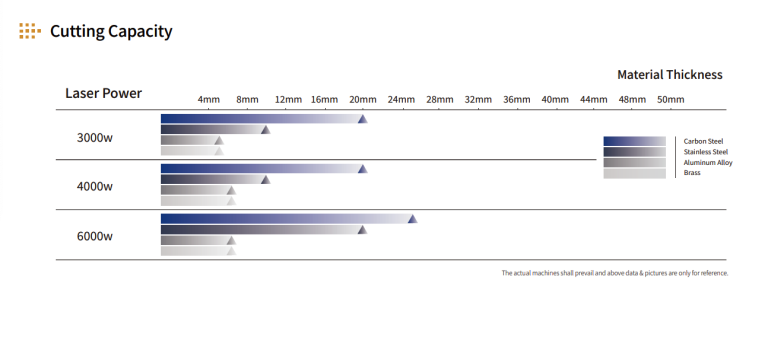
- Laser Power: 1 kW to 6 kW, depending on model
- Material Thickness Capability: Up to 15 mm
- Accuracy: ±0.1 mm
Buying Advice
- Evaluate your production needs to determine the appropriate laser power and feed speed.
- Consider the types of materials you will process to ensure compatibility with the system.
- Look for systems with user-friendly interfaces and robust after-sales support.
- Assess the scalability of the system if you anticipate production growth.
FAQs
- What are the main benefits of Coil to Laser Continuous Feed Integration? The main benefits include reduced manual labor, increased production speed, minimized waste, and improved precision in metal fabrication.
- How does this system improve efficiency? By automating the feeding and cutting process, reducing downtime, and optimizing material usage, the system significantly boosts production efficiency.
- Is the system compatible with all types of metal? The system is compatible with most common metals used in fabrication, but it is advisable to check specific material compatibility with the manufacturer.
- What kind of training is required for operators? Operators typically require a few days of training to become proficient with the system, focusing on safety, operation, and maintenance.
- Can this system be integrated with existing production lines? Yes, the system can be integrated with existing production lines, but it may require some modifications or additional equipment.
- What is the typical lifespan of such a system? With proper maintenance, the system can have a lifespan of 10 to 15 years.
Coil to Laser Continuous Feed Integration for Efficient Metal Fabrication Production