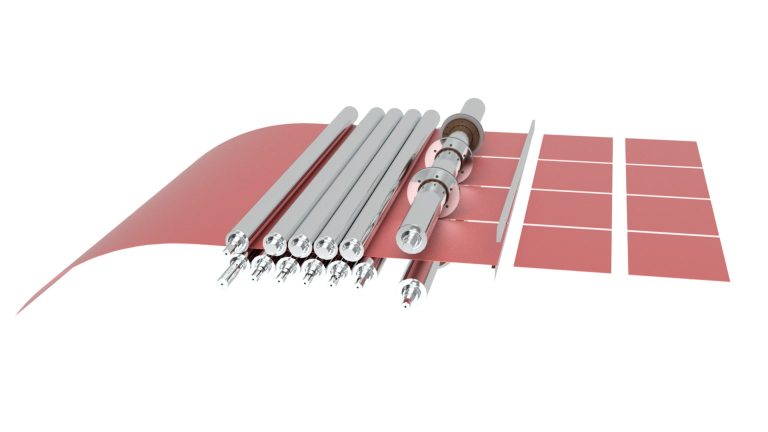
Stefa Compact Feed Line CFL-30
The Stefa Compact Feed Line CFL-30 is a coil feed system for continuous, high-volume metal coil processing, commonly used in roofing panel and building façade production lines as well as steel service centers and automated factories.
Quick Look
- Application: Continuous feed of metal coil into downstream processes (e.g., roll forming, punching, cutting) for roofing panels and façade elements.
- Typical use environments: Steel service centers, automated production lines, high-volume fabrication plants.
- Material format: Metal coil stock (steel and similar sheet metals) for long-run, repeatable production.
- Production style: Suited for continuous, high-throughput operation where minimal manual handling is desired.
- Integration role: Acts as the front-end coil handling and feeding section in a larger automated line.
Budgeting & Pricing
- Pricing estimate (USD): Varies by configuration.
- Price drivers include maximum coil width and thickness capacity, automation level (manual vs. automatic adjustments, recipe control), and line integration features.
- Additional cost factors: Installation and commissioning, operator training, and any line control or safety upgrades required for integration into an existing plant.
- Operating cost considerations: Power consumption, routine wear parts (feed rolls, guides, safety devices), and preventive maintenance intervals.
- Budget planning tip: Reserve funds for integration engineering (controls, communication with upstream/downstream equipment) in addition to the base machine price.
Specs That Matter
- Coil capacity: Maximum coil width, outer diameter, and weight the CFL-30 can safely handle, based on your typical roofing panel or façade coil sizes.
- Material range: Compatible metal types and thickness range; ensure the line can process the full gauge range used for roofing panels and building facades.
- Feed accuracy and stability: Repeatable feed length and consistent tracking are critical for downstream forming, punching, or cutting quality.
- Line speed: Maximum continuous feed speed and any speed control features to match your roll former, press, or cutting system throughput.
- Changeover features: Ease of adjusting for different coil widths, thicknesses, or materials, and how quickly the line can be set up for a new production run.
- Control and integration: Available interfaces and control options for synchronization with automated factories, including safety interlocks and line-stop logic.
- Footprint and layout: Overall length and arrangement of the compact feed line relative to available floor space and existing equipment.
What to Inspect Before You Buy
- Confirm coil handling limits (width, thickness, weight, OD) against your heaviest and widest coils used for roofing panels and façades.
- Inspect feed rolls, guides, and support surfaces for wear, damage, or misalignment that could affect feed accuracy or mark the material.
- Check the condition and functionality of safety devices (guards, emergency stops, interlocks) and ensure they meet your plant’s safety standards.
- Review the control system: verify that operator interface, recipe handling (if present), and integration options match your existing automation platform.
- Assess line speed and acceleration/deceleration behavior in relation to your downstream equipment to avoid bottlenecks or tension issues.
- Evaluate changeover procedures: observe coil loading, threading, and adjustment steps to estimate realistic setup times for product changes.
- Verify electrical and utility requirements (power supply, grounding, air if required) against your facility’s capabilities.
- Request maintenance records, service history, and any documentation on previous upgrades or modifications, especially for used units.
- Confirm availability of manuals, spare parts lists, and recommended maintenance schedules from the supplier or OEM.
- Discuss installation and commissioning support, including training for operators and maintenance personnel.
FAQ
What is the main purpose of the Stefa Compact Feed Line CFL-30? It is designed to feed metal coil continuously into downstream processes in high-volume production environments such as roofing panel and building façade lines.
Where is this type of coil feed line typically used? Common applications include steel service centers and automated factories producing roofing panels, façade elements, and other coil-based metal products.
What materials can it handle? It is intended for metal coil processing; specific material types and thickness ranges should be confirmed against the machine’s configuration and your production requirements.
How does a compact feed line fit into a production line? It sits at the front of the line, unwinding and feeding coil stock at controlled speed and length into equipment such as roll formers, presses, or cut-to-length systems.
How should I budget for a CFL-30 system? Base price varies by configuration; also account for integration engineering, installation, commissioning, and any control or safety upgrades needed for your plant.
Can it support continuous high-volume production? Yes, it is intended for continuous feed, high-volume operation when properly specified and integrated with compatible downstream machinery.
What specifications are most critical to check before purchase? Key items include coil width and weight capacity, material thickness range, feed accuracy, line speed, and compatibility with your existing or planned equipment.
Is it suitable for both roofing panels and building façades? Yes, it is described for use in roofing panel and building façade production, provided the coil specs and line configuration match your product requirements.
What impacts the final price the most? Major drivers are coil capacity, automation level, control and integration options, and any custom engineering or layout modifications.
What documentation should come with the machine? You should obtain operating and maintenance manuals, electrical and pneumatic schematics if applicable, spare parts information, and records of any past service or upgrades, especially for used units.
Source: Stefa Compact Feed Line CFL-30
Stefa Compact Feed Line CFL-30