Fiber Laser vs. Plasma: Cutting-Edge Comparisons
In the world of metal fabrication, choosing the right cutting technology is crucial for efficiency, precision, and cost-effectiveness. Two of the most popular cutting technologies are fiber laser and plasma cutting. Each has its strengths and weaknesses, making them suitable for different applications. This article will delve into the intricacies of both technologies, comparing their precision, speed, and overall capabilities to help you make an informed decision for your metal fabrication needs.
Understanding Fiber Laser Technology
Fiber laser technology is a cutting-edge solution that has revolutionized the metal fabrication industry. Here’s what makes it stand out:
- High Precision: Fiber lasers are known for their exceptional precision, capable of producing clean and accurate cuts. This makes them ideal for applications requiring intricate designs and tight tolerances.
- Efficiency: These lasers convert electrical energy into light energy with high efficiency, resulting in lower operational costs. They also have a longer lifespan compared to other laser types.
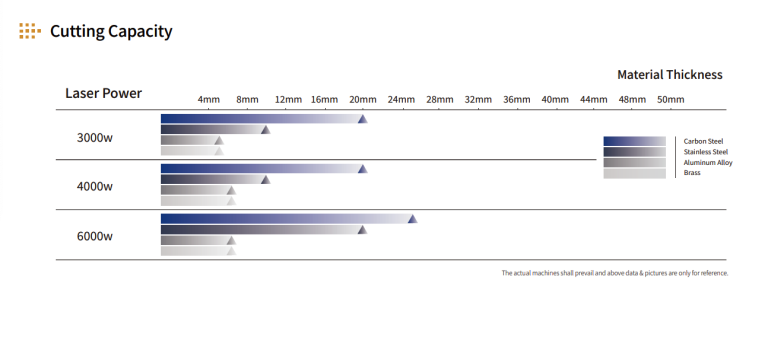
- Versatility: Fiber lasers can cut a wide range of materials, including metals like steel, aluminum, and copper. They are particularly effective on thin to medium-thickness materials.
- Low Maintenance: With fewer moving parts and no need for mirrors, fiber lasers require less maintenance, reducing downtime and increasing productivity.
“Fiber lasers provide a level of precision and efficiency that is hard to match, making them a top choice for many metal fabricators.”
The Basics of Plasma Cutting
Plasma cutting is a tried-and-true method that has been used in metal fabrication for decades. Here’s a closer look at its fundamentals:
- Cost-Effectiveness: Plasma cutting systems are generally more affordable upfront compared to fiber lasers, making them accessible for smaller shops or those with budget constraints.
- Speed: Plasma cutters are known for their fast cutting speeds, especially on thicker materials. This makes them suitable for heavy-duty applications where speed is a priority.
- Material Thickness: Plasma is particularly effective on thick materials, often outperforming lasers in this regard. It can cut through thick steel plates with ease.
- Ease of Use: Plasma cutters are relatively easy to operate and require less training, which can be beneficial for operations with a high turnover of staff.
“For those needing to cut thick materials quickly and cost-effectively, plasma cutting remains a reliable choice.”
Comparing Precision and Speed
When it comes to precision and speed, both fiber laser and plasma cutting have their distinct advantages:
-
Precision:
- Fiber lasers excel in precision, offering superior edge quality and minimal kerf width. They are ideal for detailed work and applications where aesthetics are important.
- Plasma cutters, while precise, generally produce a wider kerf and may require additional finishing for high-precision applications.
-
Speed:
- Plasma cutting is generally faster when working with thicker materials, making it suitable for heavy-duty applications.
- Fiber lasers can cut thinner materials at high speeds, often outperforming plasma in these scenarios.
-
Overall Considerations:
- For applications requiring high precision and intricate designs, fiber lasers are the preferred choice.
- For projects involving thick materials and where speed is crucial, plasma cutting is often more advantageous.
“Choosing between fiber laser and plasma cutting ultimately depends on your specific needs, including material type, thickness, and desired precision.”
In the ever-evolving landscape of metal fabrication, understanding the differences between fiber laser and plasma cutting is essential for making the right investment. Each technology offers unique benefits that can significantly impact your production capabilities. For more detailed insights and guidance on selecting the best cutting technology for your business, visit Fiber Laser vs. Plasma: Cutting-Edge Comparisons.
In the realm of metal fabrication, selecting the appropriate cutting technology is pivotal for maximizing efficiency, precision, and cost-effectiveness. Fiber laser and plasma cutting are two prominent technologies, each with distinct advantages and limitations, making them ideal for various applications. This article explores the nuances of both technologies, evaluating their precision, speed, and overall capabilities, aiding you in making an informed choice for your metal fabrication requirements. Fiber laser technology, in particular, has transformed the industry with its ability to deliver high precision and accuracy, among other benefits.
Maintenance Tips
- Fiber Laser: Regularly clean the lens and mirrors to prevent dust accumulation. Monitor the cooling system to avoid overheating, and ensure the laser source is properly aligned.
- Plasma Cutter: Inspect the torch and replace consumables like electrodes and nozzles periodically. Maintain the air filtration system to prevent clogging and ensure optimal air pressure.
Cost Ranges
- Fiber Laser: Typically ranges from $50,000 to $500,000 depending on power and features.
- Plasma Cutter: Generally costs between $15,000 and $300,000, influenced by cutting power and table size.
Performance Specs
- Fiber Laser: Offers cutting speeds up to 20 m/min with a precision of ±0.1 mm, suitable for thin to medium-thickness metals.
- Plasma Cutter: Cutting speeds range up to 10 m/min, with a precision of ±1 mm, ideal for thicker metals.
Buying Advice
When deciding between a fiber laser and a plasma cutter, consider the materials you work with most frequently, the required precision, and budget constraints. Fiber lasers are ideal for high-precision work and cutting thinner materials, while plasma cutters excel in cutting thicker metals at a lower initial investment.
FAQs
- What materials can fiber lasers cut? Fiber lasers are highly effective for cutting stainless steel, carbon steel, aluminum, and other non-ferrous metals.
- Are plasma cutters suitable for cutting aluminum? Yes, plasma cutters can efficiently cut aluminum, especially in thicker gauges.
- Which technology offers faster cutting speeds? Fiber lasers generally offer faster cutting speeds, especially for thinner materials.
- What is the lifespan of a fiber laser? Fiber lasers typically have a lifespan of around 100,000 hours, depending on usage and maintenance.
- Do plasma cutters require more maintenance than fiber lasers? Yes, plasma cutters generally require more frequent maintenance due to consumable parts.
- Can fiber lasers cut reflective materials? Yes, fiber lasers can cut reflective materials with reduced risk of beam reflection.
- Is a plasma cutter more cost-effective for large-scale projects? For projects involving thicker materials and less precision, plasma cutters can be more cost-effective.
Fiber Laser vs. Plasma: Cutting-Edge Comparisons