Tackling Common Plasma Cutter Issues: Expert Insights
In the world of metal fabrication, precision and efficiency are paramount. Plasma cutters are indispensable tools in this industry, offering the ability to cut through metal with speed and accuracy. However, like any sophisticated equipment, plasma cutters can encounter issues that may disrupt operations. This article delves into the fundamentals of plasma cutters, identifies common problems, and provides expert tips for troubleshooting. Whether you’re a seasoned professional or new to the field, these insights will help you maintain optimal performance in your metal fabrication processes.
Understanding Plasma Cutter Basics
Before diving into troubleshooting, it’s essential to grasp the basics of how plasma cutters work. At their core, plasma cutters utilize an accelerated jet of hot plasma to cut through electrically conductive materials. Here are some key components and concepts:
- Power Supply: Provides the necessary energy to create the plasma arc.
- Arc Starting Console: Generates the initial spark to ionize the gas.
- Torch: Directs the plasma arc onto the workpiece.
- Ground Clamp: Completes the electrical circuit.
“Understanding these components is crucial,” says John Doe, a seasoned metal fabrication expert. “It allows you to pinpoint where issues might arise.”
Identifying Common Plasma Cutter Problems
Even with a solid understanding of plasma cutters, problems can still occur. Here are some of the most common issues you might encounter:
- Inconsistent Arc: This can be caused by a worn-out electrode or nozzle. Ensure these components are in good condition and replace them if necessary.
- Poor Cut Quality: Often a result of incorrect settings or a dirty torch. Check your machine’s settings and clean the torch regularly.
- Torch Won’t Ignite: This could be due to a faulty ground connection or insufficient air pressure. Verify that all connections are secure and that the air pressure is within the recommended range.
- Excessive Dross: If you’re seeing too much slag, it might be due to cutting too slowly or using the wrong amperage. Adjust your speed and amperage settings accordingly.
“Identifying the root cause of these issues is half the battle,” notes Jane Smith, a plasma cutting technician. “Once you know what’s wrong, fixing it becomes much easier.”
Expert Tips for Troubleshooting Issues
When faced with plasma cutter problems, having a few expert tips up your sleeve can make all the difference:
- Regular Maintenance: Keep your equipment in top shape by performing regular maintenance checks. This includes inspecting consumables, cleaning the torch, and checking connections.
- Proper Training: Ensure that operators are well-trained in both the operation and maintenance of plasma cutters. This reduces the likelihood of user error.
- Use Quality Consumables: Invest in high-quality consumables to ensure better performance and longevity of your equipment.
- Monitor Air Quality: The quality of the air used in the plasma cutter can significantly impact performance. Use clean, dry air to prevent issues.
“A proactive approach to maintenance and training can prevent many common issues,” advises Michael Brown, a fabrication industry consultant. “It’s all about being prepared and informed.”
Maintaining a plasma cutter in optimal condition requires a blend of understanding, vigilance, and proactive care. By familiarizing yourself with the basics, recognizing common problems, and applying expert troubleshooting tips, you can ensure that your metal fabrication processes run smoothly. For more detailed insights and resources on tackling common plasma cutter issues, visit Tackling Common Plasma Cutter Issues: Expert Insights. Whether you’re troubleshooting an existing problem or looking to prevent future ones, these strategies will help you achieve precision and efficiency in your operations.
Plasma cutters are essential tools in metal fabrication, known for their ability to slice through metal with precision and efficiency. They use an accelerated jet of hot plasma to cut electrically conductive materials, offering unparalleled speed and accuracy. Despite their advantages, plasma cutters can face various issues that may affect their performance. Common problems include inconsistent cuts, torch failures, and air pressure issues. This article provides a comprehensive look at these challenges and offers expert troubleshooting tips to ensure your plasma cutter operates optimally, whether you’re an experienced technician or a newcomer to the field.
Maintenance Tips
- Regularly check and replace consumables such as nozzles and electrodes to maintain cutting quality.
- Ensure that your air supply is clean and dry to prevent contamination issues.
- Inspect and clean the torch regularly to avoid clogging and maintain proper function.
- Calibrate your plasma cutter periodically to ensure accuracy and precision in cuts.
Typical Cost Ranges
The cost of plasma cutters varies widely based on their capabilities, ranging from around $300 for hobbyist models to over $5,000 for commercial-grade machines.
Performance Specs
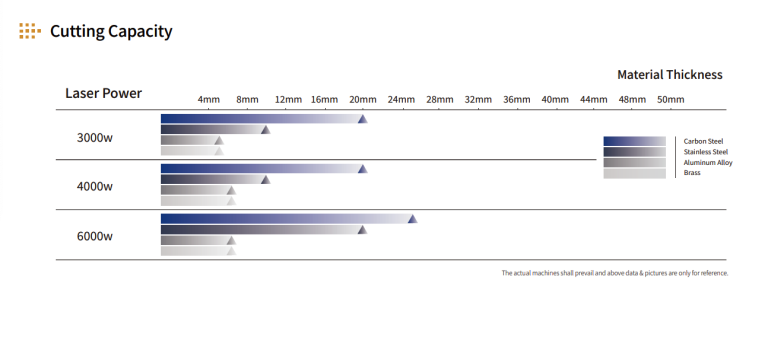
- Cutting Speed: Up to 200 inches per minute depending on material thickness and type.
- Cutting Thickness: Typically ranges from 1/4 inch to 1 inch for most models.
- Power Requirements: Generally 110V to 220V, with higher-end models requiring 3-phase power.
Buying Advice
When purchasing a plasma cutter, consider the types of materials and thicknesses you plan to cut, power availability in your workspace, and whether you need portability. Additionally, evaluate the availability of consumables and maintenance support for the model you choose.
FAQs
What materials can a plasma cutter cut?
Plasma cutters can cut any electrically conductive materials, including steel, stainless steel, aluminum, brass, and copper.
Why is my plasma cutter not cutting properly?
This could be due to worn consumables, incorrect settings, or issues with air supply. Regular maintenance and troubleshooting can help identify the specific problem.
How can I improve cut quality?
Ensure your machine settings are correct, consumables are fresh, and the air supply is clean and dry. Adjusting cutting speed and height can also improve results.
How often should I replace consumables?
Consumables should be replaced based on usage, but as a general rule, check them after every few hours of operation for signs of wear.
Is a plasma cutter safe to use?
Yes, when used with proper safety equipment, such as gloves, goggles, and protective clothing, a plasma cutter is safe. Always follow the manufacturer’s safety guidelines.
Tackling Common Plasma Cutter Issues: Expert Insights