Maximizing ROI with 12 kW Sheet Laser Cutters for Custom Metal Fabrication Operations
In the demanding world of custom metal fabrication, success comes down to delivering quality parts quickly and efficiently—while keeping costs firmly under control. Shop managers are accountable for every aspect of the workflow, from productivity to repeatable accuracy, scalability, and meeting client deadlines. Staying competitive in modern fabrication means employing technology that supports high work standards and operational agility. One of the most significant advancements for today’s fabrication shops is the adoption of 12 kW sheet laser cutters. When thoughtfully integrated, these machines can maximize return on investment (ROI), bolster throughput, and help your team rise above the competition.
Understanding the Capabilities of 12 kW Sheet Laser Cutters
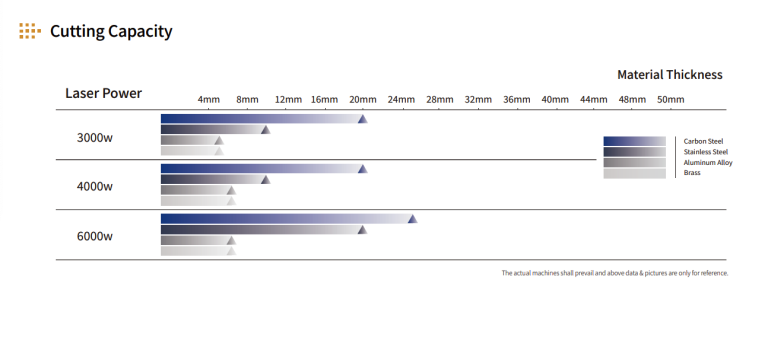
12 kW sheet laser cutters stand at the forefront of fabrication technology due to their immense cutting power and speed. Unlike their lower-wattage counterparts, a 12 kW cutter can slice through thick stainless steel, aluminum, and mild steel sheets at a fraction of the time without sacrificing edge quality. Their powerful fiber laser technology means less maintenance, better energy efficiency, and reduced labor for frequent lens cleanings.
For production managers, this means handling a wider range of jobs—from thin specialty parts to heavy-gauge projects—without swapping machines or tools. By consolidating operations, there’s less need for secondary operations or specialized equipment. Industry leaders like the Mazak Optiplex 3015 NEO or AMADA ENSIS-AJ are examples of machines that provide such high power and versatility. These cutters offer intuitive operator controls, broad material compatibility, and robust reliability, vital for busy, variable shop schedules.
Enhancing Production Speed and Accuracy in Custom Metal Fabrication
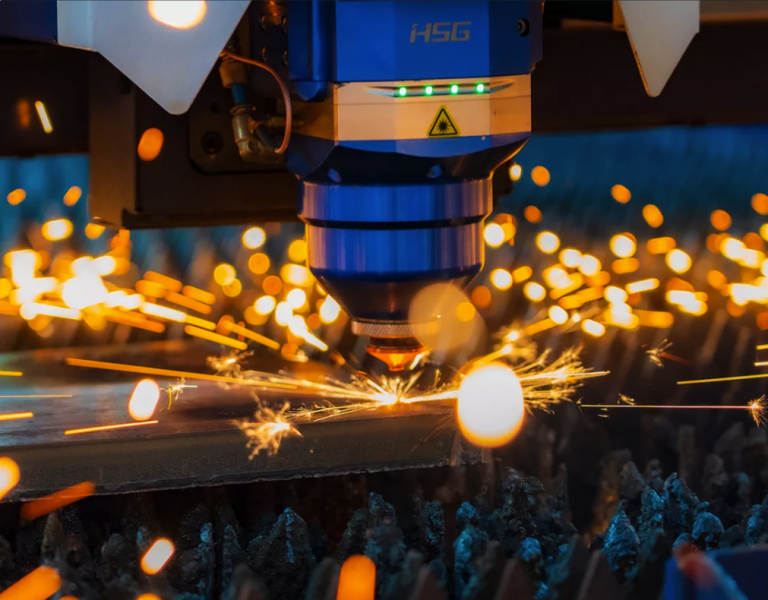
The power behind 12 kW lasers translates to faster cutting speeds, but equally important is the boost in precision and consistency. The beam quality and fast height-following sensors allow for intricate geometry and incredibly tight tolerances, even when running at full speed. The finished edges are clean, which reduces post-processing and speeds up the assembly process.
By reducing cycle times while maintaining quality, your shop can take on more jobs per shift, move large parts batches from cutting to bending or welding with less intervention, and avoid repeat passes or recuts. Advanced nesting algorithms, present in many of these machines’ control systems, also allow for progressive sheet processing—multiple parts are cut sequentially or nested without manual repositioning, reducing material waste and manual handling.
Leveraging Advanced Features to Reduce Operational Costs
High-power lasers often come with intelligent features designed for real production environments. Adaptive cutting controls, self-calibrating optics, and robust dust extraction systems minimize downtime and extend component life. These machine elements mean less frequent consumable changes, lower utility bills per part, and fewer interruptions during shifts.
From a cost management perspective, managers should look for models equipped with predictive maintenance tools and remote diagnostics—these prevent unexpected breakdowns and simplify troubleshooting. Machines that automate focus settings, nozzle changes, and pierce detection, like those from Trumpf or Bystronic, can dramatically reduce the hours devoted to manual adjustments, maximizing your labor efficiency.
Integrating Automation for Consistent, High-Quality Results
Labor is one of the largest ongoing costs in fabrication, and labor shortages are a pressing concern. That’s why automating front-end tasks like loading, unloading, and part sorting is so impactful. 12 kW machines can be paired with material handling robots, automated storage towers, or shuttle tables to create streamlined, touch-free workflows.
When sheets are automatically loaded, cut, and stacked or sorted, part consistency is greatly improved and operator fatigue is minimized. Not only does this enhance product quality, but it also lowers rework rates and helps with compliance for traceability and reporting. Look for machines built with future-ready automation ports or interfaces, ensuring your initial investment is protected as you scale up automation over time.
Optimizing Workflow and Material Utilization with Smart Software Tools
Getting the most out of a 12 kW laser isn’t just about the hardware—the software plays a huge role. Shop managers now have access to powerful programming and workflow platforms such as Lantek or BySoft by Bystronic. These allow you to schedule jobs, track machine performance, and optimize nesting—all from a central dashboard.
Intelligent nesting and material tracking reduce scrap rates, helping you extract more usable parts from every sheet. Real-time monitoring tools also enable quick adjustments based on priority jobs or urgent client needs without sending your workflow into chaos. For variable part runs, these digital solutions help balance your job queue, minimize changeover times, and track historical performance for continuous improvement.
Evaluating Long-Term ROI in Competitive Metal Fabrication Markets
When weighing the investment in a 12 kW laser cutter, managers must look past the initial price tag and consider the machinery’s total lifecycle value. Lower labor and per-piece costs, paired with faster turnaround and higher-quality finishes, help your shop win more contracts and keep existing clients happy.
Additionally, the ability to take on thicker materials and new alloys expands your service offering—supporting higher margin work and attracting diverse clientele. The most reliable 12 kW platforms offer strong resale value, modular upgrade options, and extensive service networks, ensuring owners get maximum returns. Running at high efficiency and lower downtime, these systems can often pay for themselves within a few years through improved productivity and material savings.
FAQ
What are the biggest advantages of upgrading to a 12 kW sheet laser cutter?
The key gains are faster processing, cleaner cuts on both thin and thick materials, and the ability to handle complex jobs with less manual intervention.
How does automation impact ROI on laser cutting equipment?
Automation reduces labor costs, improves consistency, and makes it possible to run more jobs unattended or overnight, increasing asset utilization.
Are there hidden costs or considerations with high-power lasers?
While energy usage is higher, the reduction in processing time and labor costs typically outweighs the increased electricity demand. It’s also important to factor in floor space, ventilation, and staff training.
Which materials benefit most from 12 kW fiber laser cutting?
Stainless, mild steel, aluminum, and even copper or brass see improved speed and edge quality, especially in thicker gauges.
What about maintenance and technical support?
Choosing a well-supported brand with predictive maintenance features, online diagnostics, and local service ensures that issues are resolved quickly and downtime is minimized.
How long does it take to see ROI on a 12 kW laser cutter?
Depending on your workload and the shift utilization, payback can occur in 2 to 4 years thanks to labor savings, increased throughput, and new job capabilities.
Taking the step to invest in advanced 12 kW sheet laser technology transforms your custom metal fabrication workflow from good to exceptional. By focusing on high-power efficiency, smart automation, and data-driven production management, shop managers set their teams—and their business—up for reliable growth and long-term competitiveness. To ensure you choose the right solution, work closely with trusted machine vendors, compare software and support offerings, and always factor future scalability into your decision process. With the right approach, your investment in a 12 kW sheet laser cutter will propel your shop ahead in today’s demanding fabrication market.
Maximizing ROI with 12 kW Sheet Laser Cutters for Custom Metal Fabrication Operations