Affordable High-Efficiency Plate Lasers for Sheet Metal Fabrication Operations
The modern fabrication shop thrives on efficiency, durability, and smart investments. Every day presents new challenges, and shop leaders know that balancing cost without sacrificing quality is crucial. As demands grow for tighter tolerances, faster turnaround, and clean finishes, equipping your operation with the right tools determines your edge in the market. Plate laser technology has evolved beyond premium pricing and is now accessible to shops intent on maximizing output without stretching the budget. Let’s take a closer look at how affordable, high-efficiency plate lasers can transform sheet metal work and why they’ve become my first choice for reliable, ROI-focused precision in today’s busy environments.
Understanding Plate Laser Technology in Sheet Metal Fabrication
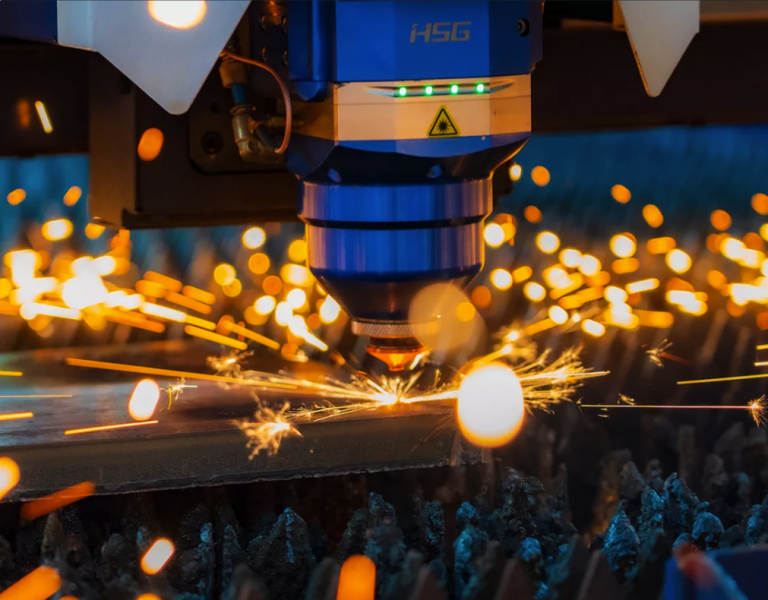
Plate laser cutting uses concentrated beams of light to slice through steel, aluminum, and other sheet metals with outstanding accuracy. Unlike traditional mechanical cutting processes that require force and tool changes, lasers deliver a clean, burr-free edge in a single pass. This means less post-processing, smoother workflow, and reduced hand-finishing requirements on the shop floor.
For the shop manager focused on production, the big shift is that high-efficiency plate lasers now come in affordable models suited for medium to high-volume work. Modern fiber lasers, for example, offer faster cutting speeds, lower electricity consumption, and greater reliability compared to older CO2-based systems. Brands like Bodor, Bystronic, and Mazak have introduced entry-level plate lasers such as the Bodor C3 or Bystronic BySmart Fiber, which are tailored for fast setup and operation in busy fab shops.
A key advantage of plate lasers is their ability to handle varied cutting jobs—multiple thicknesses and alloys—without extensive retooling. This versatility translates to fewer production stoppages and reduced overall machine downtime in your workflow.
Evaluating Key Features of High-Efficiency Plate Lasers
When assessing which plate laser to bring into your shop, focus on three core areas: cutting speed, power efficiency, and user interface. Plate lasers like the Han’s Laser G3015X or the Mazak Optiplex Nexus offer cutting turbo-modes and energy-saving drives, meaning you get more parts produced per hour while shaving dollars off energy bills.
Sales-based insights reveal that many shops overlook the importance of CNC control systems and nesting software that come standard with new plate lasers. User-friendly interfaces with touchscreen controls speed up training for operators, and integrated material libraries automatically adjust variables to match the metal type, reducing the risk of operator error.
For sheet metal shops with progressive assembly processes, look for lasers with auto-loading and unloading tables. The Prima Power Platino Fiber EVO, for instance, offers smart workpiece handling so your crew spends less time wrestling with heavy sheet stock and more time monitoring quality and output.
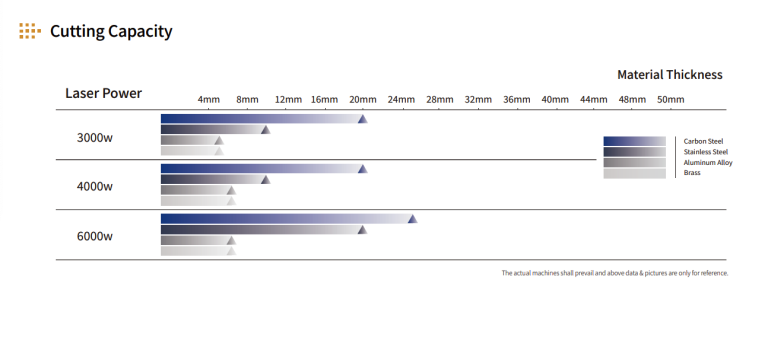
Technical recommendations include aiming for at least 2kW of laser power for mild steel up to 10mm and increasing wattage for thicker plate. For shops doing custom runs, quick-change nozzle systems and smart alignment controls reduce setups and handling, directly impacting overall productivity.
Maximizing Cost Savings with Affordable Laser Solutions
Cost-saving begins with looking past just the purchase price. With plate lasers, true ROI comes from reduced material waste, lower labor per part, and improved uptime. Entry-tier machines from reputable brands deliver quality at a price that fits most operational budgets, such as the Durma HD-FL series or the Salvagnini L3.
Many shops report 20–40% savings in consumables and spare parts when switching from plasma or oxy-fuel to high-efficiency fiber lasers. The clean edges produced by lasers also allow for tighter part nesting—squeezing more shapes from a single plate—which shrinks material costs and boosts inventory turnover.
From a logistical perspective, consider plate lasers with compact footprints and integrated dust collection, like the Amada ENSIS-AJ. Shops with constrained space or multi-stage lines benefit from less material handling and safe, tidy work environments.
For sales-based decision-making, consider manufacturer financing or certified pre-owned programs that make laser adoption even more affordable. Always factor in manufacturer support and parts availability, ensuring your investment pays back consistently, not just upfront.
Enhancing Production Quality and Throughput in Fabrication Shops
Switching to a plate laser is more than a process upgrade—it’s a shift towards higher standards. Laser cutting delivers repeatable precision and minimal heat-affected zones, which means finished components fit tightly and assemble faster, reducing bottlenecks at downstream stations. For shops with progressive assembly lines, this predictability increases total throughput and allows finer control over project timelines.
Recommended machines like the Trumpf TruLaser 2030 fiber are designed for rapid acceleration and deceleration, supporting very high part flow rates for demanding projects. Combining such machines with offline programming and simulation software (i.e., Lantek or SigmaNEST) optimizes cut paths and sheet layouts, reducing scrap and production lags.
Sales-based guidance emphasizes partnering with manufacturers that offer ongoing training and local tech support. Having operators up-to-speed on plate laser systems right out of the box means more cuts, less downtime, and higher staff confidence—all contributing to throughput and shop morale.
Strategies for Selecting and Integrating Plate Lasers into Existing Operations
Selecting the right plate laser involves balancing the specific needs of your shop, from material types and thicknesses to production volumes and space constraints. Start by doing a thorough workflow audit to identify bottlenecks and trouble spots where a laser can have the largest impact.
Pilot smaller jobs on demo machines if available, and utilize manufacturer-provided efficiency calculators to project savings and performance. When bringing a new plate laser into the production mix, prioritize models with open-architecture software so integration with current ERP or inventory tracking systems is seamless.
Plan for progressive assembly by placing the plate laser as close to downstream press brakes or weld cells as possible, reducing material shuttling. Features like automatic shuttle tables and finished-part sorting systems reduce manual lifts, streamline flow, and minimize handling risks.
Sales reps can often assist with layout optimization, delivery logistics, and installation planning. Rely on their expertise in turnkey solutions to bring your shop up to speed quickly with minimal disruption.
Frequently Asked Questions
What advantages does a plate laser have over plasma or waterjet for sheet metal cutting?
Plate lasers produce cleaner edges, faster speeds, and more precise parts, greatly reducing the need for secondary finishing and increasing overall part accuracy.
How much can I expect to save on consumables with a high-efficiency plate laser?
On average, shops see 20–40% lower consumable costs compared to older cutting technologies, mainly due to reduced tip and lens wear.
Are plate lasers suitable for both thick and thin sheet metals?
Yes, fiber plate lasers can handle a wide range of thicknesses (often 1 to 25mm) with high edge quality by adjusting settings or using appropriate optics.
How long does it take to train an operator on a modern plate laser?
With user-friendly controls, most operators are production-ready within a week, especially if the manufacturer provides on-site training.
Is it easy to integrate a plate laser into my current production line?
Most new machines offer versatile software and compact setups, making integration straightforward—especially with support from the vendor.
Can plate lasers improve our shop’s overall workflow?
Absolutely. By cutting faster with less handling and fewer secondary processes, plate lasers streamline production and improve output.
The decision to invest in affordable, high-efficiency plate lasers for your sheet metal operation is a commitment to long-term productivity, quality, and cost control. Today’s machines are more accessible and shop-friendly than ever, offering features and support designed around real-world needs. With careful selection, smart integration, and a focus on total process efficiency, you’ll not only boost output but also build a foundation for continued success as demand grows and competition intensifies. If you have questions or want to see how plate lasers can fit your workflow, reach out to trusted vendors or connect with current users before making your move. Your shop’s next leap in efficiency could be just one upgrade away.
Affordable high-efficiency plate lasers have become central to modern sheet metal fabrication, offering fast cutting speeds, high precision, and lower operating costs per part when properly matched to material thickness, production volume, and automation needs.
Overview
- High-efficiency plate lasers are typically fiber or advanced CO₂ laser cutting systems designed for sheet and plate, often integrated with automated loading, unloading, and nesting software.
- They are used for cutting mild steel, stainless, and aluminum sheet/plate, with power levels commonly sized to balance speed, edge quality, and energy consumption.
- Automation options (pallet changers, towers, sorters) can significantly improve throughput and labor efficiency in multi-shift operations.
- Energy-efficient sources and optimized cutting parameters help reduce cost per part, especially in high-volume or lights-out production environments.
- System footprint, floor loading, and integration with existing material flow are critical in retrofit projects or space-constrained shops.
- Software capabilities (CAD/CAM, nesting, job scheduling, and integration with ERP/MES) strongly influence real-world productivity and scrap rates.
Typical Cost Ranges
Pricing estimate (USD): $1,050,000 – $2,500,000 USD
- Lower end of the range typically corresponds to moderate power levels, simpler automation (e.g., basic pallet changer), and standard bed sizes.
- Upper end often reflects higher power lasers, larger cutting beds, advanced automation (towers, storage, sorting), and more sophisticated software packages.
- Total cost of ownership includes not only purchase price but also power consumption, assist gas usage, consumables, and maintenance over the service life.
- Financing and leasing structures can spread capital cost but should be evaluated against expected utilization and payback period.
- Retrofitting existing automation or reuse of material handling equipment can influence the effective investment level.
Key Selection Factors
- Power and Thickness Capability – Match laser wattage to your typical and maximum material thickness; higher power increases speed on thick plate but adds capital and operating cost.
- Table Size and Format – Ensure the cutting bed accommodates your common sheet/plate sizes and part nesting patterns to minimize handling and offcuts.
- Cut Quality and Tolerance – Specify required edge quality, kerf width, and dimensional accuracy based on downstream processes such as bending, welding, or finishing.
- Automation Level – Evaluate whether you need simple shuttle tables or full material towers and part sorting to support multi-shift or lights-out production.
- Energy and Gas Efficiency – Consider electrical demand, assist gas consumption, and available utilities when calculating operating cost per part.
- Software and Integration – Confirm compatibility with your CAD/CAM workflow, nesting requirements, and any ERP/MES integration for scheduling and traceability.
- Serviceability and Uptime – Assess access to technical support, spare parts availability, and preventive maintenance requirements to maintain high utilization.
What to Inspect Before You Buy
- Verify the machine’s specified cutting capacity (material type and thickness) against your current and projected job mix.
- Inspect the cutting bed, drive system, and motion components for build quality, rigidity, and accessibility for maintenance.
- Review sample parts cut from your own materials, checking edge quality, taper, dross, and dimensional accuracy.
- Evaluate the automation hardware (pallet changers, loaders, towers) for cycle times, safety features, and ease of setup.
- Confirm the electrical and gas supply requirements and compare them to your facility’s existing infrastructure.
- Assess the user interface, programming workflow, and nesting software using real jobs from your operation.
- Request documented maintenance schedules, consumable life expectations, and typical downtime requirements.
- Check noise, dust, and fume extraction provisions against your plant’s environmental and safety standards.
- Review training provisions for operators, programmers, and maintenance staff, including any follow-up support.
- Clarify warranty terms, response times for service calls, and availability of remote diagnostics or support.
Buyer Questions
How do I size laser power for my shop? Align power with your dominant material thickness and desired throughput; higher power favors thick plate speed, while moderate power can be sufficient and more economical for mainly thin-to-medium sheet.
What table size should I choose? Select a cutting bed that matches your standard sheet/plate formats and allows efficient nesting of your typical part geometries.
Is full automation always necessary? No, basic pallet changers may be adequate for lower volumes, while towers and sorting systems are more justified in high-volume or multi-shift operations.
How do high-efficiency plate lasers reduce cost per part? They combine faster cutting speeds, better nesting, and lower energy and labor per part when properly matched to the workload and supported by suitable automation.
Can I use the same machine for thin sheet and thick plate? Many systems are capable across a range, but the optimal configuration depends on your most frequent thicknesses and quality requirements.
What impacts cut quality the most? Laser power, beam quality, focus control, assist gas selection, and machine rigidity all influence edge finish and dimensional accuracy.
How important is software integration? Strong integration with CAD/CAM and scheduling systems can significantly reduce programming time, errors, and material waste.
What should I expect for installation requirements? Plan for adequate floor space, power, gas supply, ventilation, and access for material handling and routine service.
How do I evaluate different vendors? Compare demonstrated performance on your parts, service support structure, training programs, and total cost of ownership, not just purchase price.
When does upgrading become cost-effective? Upgrading is typically justified when productivity gains, labor savings, and reduced operating costs provide a clear payback within your acceptable investment horizon.
Source: Affordable High-Efficiency Plate Lasers for Sheet Metal Fabrication Operations
Affordable High-Efficiency Plate Lasers for Sheet Metal Fabrication Operations