Precision Cutting Techniques for Thin Stainless Steel, Aluminum, and Alloy Sheets in Metal Fabrication
A successful shop thrives on a blend of hard-earned skill, technical accuracy, and the ability to respond to everyday production challenges with smart, efficient solutions. When it comes to fabricating thin metal sheets—especially stainless steel, aluminum, and various alloys—the stakes are high. Clean cuts, tight tolerances, and minimal waste are expected, even on complicated jobs. Embracing proven precision cutting techniques isn’t just about reducing scrap materials or saving time; it’s about exceeding client expectations, running leaner operations, and building a reputation for quality.
Selecting the Right Cutting Method for Thin Metal Sheets
Success in thin metal fabrication starts with method selection. The most common cutting techniques for stainless steel, aluminum, and alloy sheets include shearing, laser cutting, waterjet cutting, plasma cutting, and mechanical punching. Each offers specific strengths depending on thickness, finish, and volume.
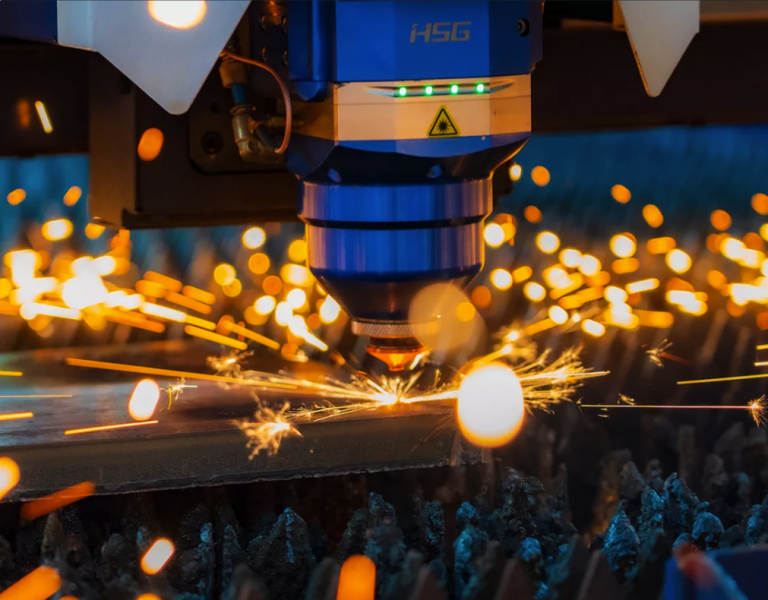
For high precision and minimal edge distortion, fiber laser cutting stands out, especially for thin (under 3mm) stainless and aluminum sheets. Laser systems like the Amada ENSIS Fiber or Trumpf TruLaser series can automate complex shapes with repeatable accuracy. Waterjet cutting is ideal for metals sensitive to heat, such as certain aluminum and alloy grades, and for projects demanding extremely clean cuts. Shearing and punching are fast for straight lines or repetitive shapes but may need secondary finishing for critical edges.
From a sales perspective, offering clients several cutting options based on metal type, thickness, and edge quality helps them choose workflows that balance cost and performance. Machine manufacturers often host demo days—visit those events to try the equipment before purchasing. For production managers, investing in multipurpose systems can allow your shop to handle more diverse contracts, upgrade services, and reduce downtime.
Key Equipment and Tools for Precision Cutting
Having the right machinery and tooling is critical. Modern fabrication shops benefit from versatile CNC laser cutters, waterjet tables, and high-precision guillotine shears tailored for thin materials. Laser and waterjet machines with automatic material loading and part sorting reduce operator handling and speed up throughput. Look for systems with robust nesting software to optimize material use.
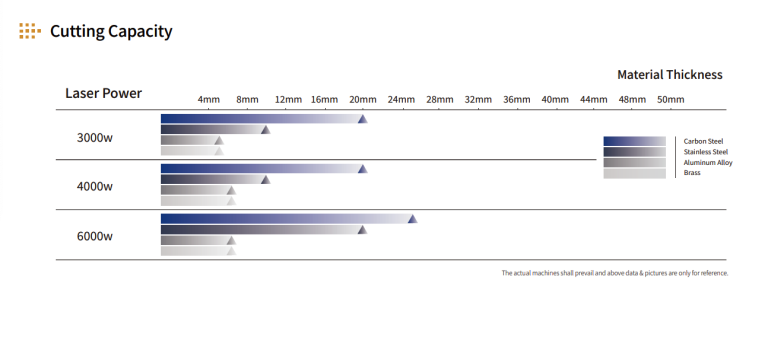
For stainless and aluminum, choose equipment with fine-tuned power settings. For example, a 2kW fiber laser is usually ample for most thin gauges up to 3mm, while waterjets with abrasive capability allow tight-edge definition on alloys. When shearing, invest in blades designed for non-ferrous and thin metals to reduce micro-cracking and extend blade life.
Efficiencies improve when tools are well maintained and calibrated to handle thin gauges, minimizing material handling between steps. Tooling should be easily swapped or automatically monitored—quick-change tables and servo-driven axes can help here.
Optimizing Process Parameters for Different Metals
Each metal type responds uniquely to cutting. Stainless steel’s toughness demands slower cutting speeds and higher focus on cooling; aluminum requires careful attention to prevent burrs due to its softness; alloy sheets vary by composition and call for specific adjustments.
Sales reps often recommend that shops make use of technical support and machine manuals to dial in settings specific to each material. Use manufacturer-recommended feed rates, power settings, and assist gases (like nitrogen for stainless, high-pressure air for aluminum) to prevent oxidation and maintain cut quality.
Knowing when to adjust nozzle height and focal points can mean the difference between a clean, slag-free cut and a sheet riddled with burrs and inaccuracies. Consistent parameter optimization means faster assembly later, with less need for rework or cleanup, which speeds up jobs and boosts margins.
Minimizing Burrs and Distortion During Cutting
Thin sheets are prone to warping and burring due to heat or poor tool condition. Precision cutting eliminates most of these problems, but some proactive steps make all the difference. For thermal cutting (laser, plasma), use lower power and faster travel where possible to limit heat impact. Waterjet and punch cutting generate less heat, reducing risk of distortion by design.
For all methods, keep cutting supports (like honeycomb tables) clean and level to maintain sheet flatness. Use soft clamping or vacuum hold-downs to avoid marring delicate alloys and aluminum sheets. Quality assurance is boosted through machine vision or edge monitoring systems available on advanced CNC cutters.
Minimizing burrs right at the source reduces time spent on de-burring. Automating post-cut cleanup by integrating edge-finishing attachments or conveyor systems streamlines the progressive assembly process, ensuring less manual handling and lower labor costs.
Ensuring Clean Edges and High-Quality Finishes
Final edge condition is a mark of craftsmanship. Fiber lasers and waterjets often leave near-perfect edges on most thin stainless and aluminum sheets, but the right finishing approach elevates quality further. Consider automatic brushing or tumbling for high-volume runs, and personalized hand-deburring for custom pieces.
Surface condition of the parent sheet matters; using protective films on stainless and aluminum can prevent scratches during cutting and handling. Invest in machines with automatic edge rounding or micro-joint breaking for extra-polished results, especially when visible parts are supplied to clients.
High-quality finishes not only keep your projects looking professional but also reduce fit-up time during downstream assembly or welding. This pays off through faster assembly, less rework, and the ability to tackle more jobs with existing staff.
Frequently Asked Questions
What are the advantages of fiber laser cutting for thin metals?
Fiber lasers offer high speed, minimal heat distortion, and very clean edges, making them ideal for thin stainless and aluminum sheets.
How can I reduce scrap rates when cutting thin alloys?
Use advanced nesting software and precision clamps or vacuum tables to maximize sheet use and minimize offcuts.
Are waterjets better than lasers for all thin metal work?
Not always—waterjets excel with sensitive alloys and where heat is a concern, but lasers are faster for most profiles.
What are the cost implications of switching to high-end CNC cutters?
While up-front investment is higher, the reduced rework, faster turnaround, and quality improvements often offset costs over time.
How do I ensure consistent results across different shifts or operators?
Use programmable settings, operator training, and strict maintenance schedules to achieve uniform cuts regardless of personnel.
Will investing in automation improve our shop efficiency?
Yes, automation reduces handling, increases throughput, and lets staff focus on higher-value tasks or complex assemblies.
With the right equipment, proven methods, and streamlined processes, your shop can tackle precision cutting of thin metals with confidence. Stay up to date with machine advancements and best practices, and the benefits will show not just in product quality but in your bottom line. Collaboration with trusted suppliers and ongoing staff training are the cornerstones of a well-run operation—empowering your team to deliver the quality and efficiency your clients expect.
In the realm of metal fabrication, executing precision cuts on thin sheets of stainless steel, aluminum, and various alloys is crucial for maintaining high-quality standards and minimizing waste. Shops that excel in this area combine technical accuracy with adaptive problem-solving skills, ensuring that even the most complex jobs are completed with clean cuts and tight tolerances. By adopting proven precision cutting techniques, fabricators can exceed client expectations, optimize operational efficiency, and enhance their reputations for quality work. Choosing the appropriate cutting method is foundational to success in thin metal fabrication, directly impacting the integrity of the final product and production timelines.
Maintenance Tips
- Regularly inspect cutting equipment for wear and tear to prevent degradation of cutting precision.
- Keep blades and cutting tools sharp to ensure clean cuts and prolong the life of the machinery.
- Lubricate moving parts frequently to avoid overheating and friction-related damage.
- Calibrate your equipment periodically to maintain accuracy in cuts and alignments.
Typical Cost Ranges
The cost of precision cutting equipment for thin metal sheets can vary widely based on the method and machinery complexity:
- Manual Shears: $500 – $2,000
- Laser Cutters: $10,000 – $500,000
- Waterjet Cutters: $50,000 – $350,000
- Plasma Cutters: $2,000 – $100,000
Performance Specs
- Cutting Speed: Varies from 20 inches per minute (IPM) to over 1,000 IPM depending on the machine and material.
- Material Thickness: Typically ranges from 0.5mm to 6mm for thin sheet applications.
- Tolerance Levels: Precision up to 0.1mm depending on the cutting method and equipment calibration.
Buying Advice
When purchasing precision cutting machinery for thin metal sheets, consider the following:
- Determine the most appropriate cutting technology based on your specific materials and production needs.
- Evaluate the machine’s compatibility with existing systems and its flexibility for future upgrades.
- Consider the total cost of ownership, including maintenance, operation, and potential downtime costs.
- Seek out reputable manufacturers with strong customer support and service networks.
FAQs
What is the best cutting method for thin stainless steel?
Laser cutting is often preferred for its precision, speed, and ability to handle complex shapes with minimal distortion.
How do I minimize waste when cutting thin metal sheets?
Optimize your nesting strategy, maintain sharp cutting tools, and ensure accurate calibration of your equipment.
Can aluminum be cut with the same equipment as stainless steel?
Yes, but you may need to adjust machine settings to accommodate the differences in material properties such as melting point and thickness.
What safety precautions should be taken during the cutting process?
Always wear appropriate PPE, ensure proper ventilation to avoid fumes, and follow lockout/tagout procedures during maintenance.
How often should cutting equipment be serviced?
Regular servicing should be scheduled based on usage frequency and manufacturer recommendations, typically every 6-12 months.
Is waterjet cutting suitable for all alloy types?
Waterjet cutting is versatile and can handle most alloys effectively, but it’s essential to verify compatibility with specific materials.
Precision Cutting Techniques for Thin Stainless Steel, Aluminum, and Alloy Sheets in Metal Fabrication