Impact Strength vs Tensile Strength Selecting Metals for Load-Bearing Fabrication Components
Every shop manager knows that choosing the right metal for load-bearing components is crucial. In our business, the margin for error is slim—work ethic and technical knowledge shape project success. To deliver reliable results on tight schedules, the smartest move is to blend technical facts with practical shop realities, always aiming to avoid preventable downtime and costly mistakes. Understanding the difference between key material properties isn’t just textbook talk; it’s central to fabricating strong, safe, and cost-effective parts every time.
Understanding Impact Strength in Metal Selection
Impact strength measures how well a metal can handle sudden forces or shocks without cracking. Think about loading docks, construction machinery, or parts subjected to vibration or dropping—these require metals that can absorb the hit and keep going. For site managers and welders, this means impact strength is a deciding factor when the component could face accidental knocks, impacts, or unpredictable loads.
Certain metals like alloyed steels and some bronzes offer higher impact toughness, while brittle metals, even if they’re strong under steady loads, can shatter under a sharp blow. In the shop, impact testing (like Charpy tests) gives real-world assurance that a material won’t fail under dynamic stresses. If products are destined for industries with the risk of impact—mining, transport, agricultural machinery—prioritize metals with proven high impact strength for critical points.
From a sales and process planning angle, specifying the right impact toughness can save on warranty claims and field repairs. Machines such as plasma cutters, multi-process welders, and CNC mills should be compatible with tougher, sometimes harder alloys; anticipate tool wear and stock appropriate inserts or abrasion-resistant tools to minimize production stoppages. Reducing manual handling, using cranes or indexed storage areas, further protects these partly finished components from accidental damage during transfer.
Evaluating Tensile Strength for Load-Bearing Applications
Tensile strength is the maximum force a metal can withstand before stretching or breaking when pulled. It’s the backbone measurement for beams, fasteners, and supports that must take a constant or pulsing load. In many load-bearing applications—bridges, frames, heavy racking—meeting the right tensile strength keeps customers safe, avoids legal headaches, and earns repeat business.
Materials such as high-tensile carbon steels and certain aluminum alloys regularly get picked for jobs that need outstanding load resistance without excessive weight. In real shop terms, this means verifying spec sheets and running spot tests to confirm batch consistency. Automated tensile testers, used in quality control labs or larger facilities, dial in these properties for certainty.
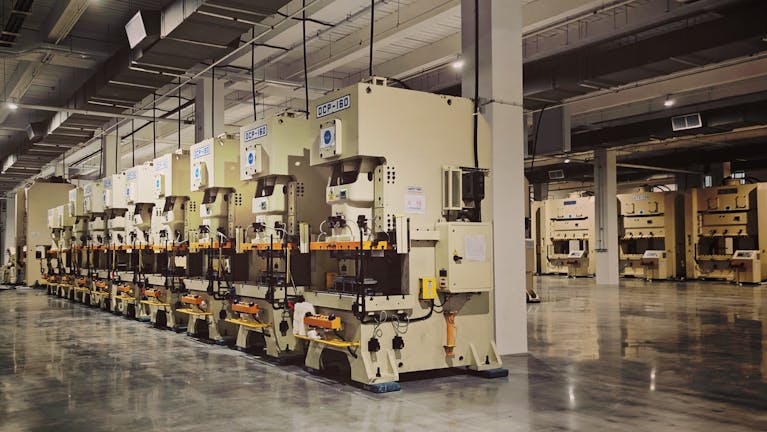
For optimal efficiency, always align the chosen metal with your bending, punching, or forming machines’ capacities. Tonnage calculations must account for higher forces needed with stronger metals. For long runs, CNC presses or hydraulic brakes with quick-change dies streamline work and cut downtime. Pre-staged material racks close to the CNC machines speed up throughput, making workflow more predictable and less labor-intensive.
Comparing Material Properties for Optimal Component Performance
Choosing metals isn’t about picking the highest spec in one category. Instead, it’s about reading the job and balancing impact and tensile strength according to real-world service conditions. For example, a steel shaft may need high tensile strength to avoid stretching under load, but at the bearing points or couplings, impact strength becomes just as essential to prevent failure from shock or vibration.
Material property data sheets list both these strengths, but experienced managers know it’s best to confirm with your suppliers and even test samples if your components have demanding duty cycles or regulatory oversight. Sales teams should use this dual-property knowledge to recommend alternative alloys or tempering techniques that improve both ratings, often resulting in better value and longer component life.
Machinery-wise, automated feed systems and pallet changers on CNC mills reduce the risk of operator error and repeated handling, which can introduce surface flaws or fatigue points. Integrate quality checkpoints during the production sequence to catch issues before final assembly, making the build more robust and the workflow more efficient.
Balancing Strength Metrics in Practical Fabrication Scenarios
Every job has its unique balance—rarely will maxing out both tensile and impact strength be practical or economical. For example, parts in a static structure may need high tensile but only moderate impact strength, while moving, percussive applications like hammers or gear teeth need materials that can flex and absorb blows without breaking.
In the fabrication shop, this means using a mix of stock—sometimes even in the same assembly. Using high-impact inserts at wear points and higher tensile bodies elsewhere can reduce material costs, speed up processes, and result in better performance.
From a sales perspective, presenting customers with the cost-benefit of this hybrid approach builds trust and positions your team as practical problem-solvers, not just order-takers. Machinery choices should support segmented workflows—modular jigs, automated positioning tables, or robotic welding stations enable quicker conversions between material types and minimize manual loadouts.
Logistically, plan jobs so that similar alloys are batched together to simplify changeovers and reduce offcut waste. Optimized layout for “next-station” assembly means less walking, less lifting, and faster throughput—important for shops keen on scaling up production or keeping labor costs predictable.
Recommendations for Choosing Metals in Structural Design
For structural and assembly-intensive jobs, always start with a clear understanding of how the part will be used. Will it face repeated shocks or heavy, steady force? Cross-reference real usage data with technical property sheets—this is where machine operators and floor managers’ insights matter as much as the engineer’s.
Favor metals that offer a good mix of tensile and impact strength for load-bearing roles, and consult suppliers about heat-treated or engineered alloys for challenging specs. When using automated machines like high-tonnage presses, plasma cutters, or robotic welders, ensure tooling matches the metal’s toughness to avoid costly tool breaks, remakes, or output delays.
In progressive production setups, organize a streamlined assembly process: minimal material touches from stockroom to machine to assembly pallet. Employ rollers, hoists, or AGV carts to shuttle heavy or finished parts fast, reducing manual labor and the risk of accidental drops.
A winning shop is the one that delivers safe, cost-effective, strong components on time. Good metal choice is the foundation; pairing it with efficient production and smart machine use keeps projects on schedule and customers coming back.
FAQ
What’s more important for load-bearing parts, impact or tensile strength?
It depends on the application. Steady loads need tensile strength; parts subject to shocks or impacts need impact strength.
Can I use the same machines for high-impact and high-tensile metals?
Yes, but you may need tougher tooling for harder metals and should monitor tool wear more closely.
Do stronger metals mean higher costs?
Often, yes, but smarter material selection and hybrid assemblies can control both material and production expenses.
How can I reduce material handling for heavy components?
Use AGV carts, cranes, or roller systems, and design workflow for next-station assembly to cut down manual moves.
How do I check material properties before fabrication?
Request mill test certificates from suppliers and run spot checks with in-house or external testing services.
What’s the best way to plan efficient production for varied material types?
Batch similar metals, use modular tooling, and set up progressive assemblies to streamline each operation.
When you select the right metal for the right job and equip your shop with efficient workflow and machines to match, you avoid costly mistakes, keep people safe, and consistently deliver reliable products your customers trust. Remember: strong shop work begins with smart materials and ends with happy, repeat customers.
Need more specific advice on material selection or machine compatibility for your next project? Contact us for expert guidance and real-world solutions.
Choosing the right metal for load-bearing fabrication components is critical for ensuring safety, reliability, and cost-effectiveness in metal fabrication. The decision between impact strength and tensile strength can make the difference between project success and costly failures. Impact strength refers to a metal’s ability to withstand sudden forces or shocks without breaking, while tensile strength measures the maximum stress a metal can endure while being stretched before fracturing. For shop managers and fabricators, blending technical insights with practical experience is key to delivering robust components on tight schedules, minimizing downtime, and avoiding preventable errors.
Understanding Metal Strengths
Impact Strength: Ideal for components exposed to sudden or dynamic forces. Examples include parts in automotive crash structures or protection gear.
Tensile Strength: Crucial for components subjected to constant tension. Ideal for cables, beams, and structural supports.
Maintenance Tips
- Regularly inspect for signs of fatigue and wear, especially in high-stress applications.
- Ensure proper lubrication and maintenance to extend the lifespan of metal components.
- Use protective coatings to prevent corrosion and environmental damage.
Typical Cost Ranges
The cost of metals varies widely based on composition, quality, and processing. Basic low-carbon steel can start as low as $0.30 per pound, while specialized alloys can exceed $10 per pound.
Buying Advice
- Define the specific load and environmental conditions your component will face.
- Consult material data sheets and compare properties such as hardness, ductility, and toughness.
- Consider long-term availability and supplier reliability for consistent quality.
FAQs
What is the difference between impact strength and tensile strength?
Impact strength measures resistance to sudden forces, while tensile strength measures resistance to being pulled apart.
Which is more important: impact strength or tensile strength?
It depends on the application. Impact strength is crucial for dynamic forces, while tensile strength is vital for static loads.
Can a metal have both high impact and tensile strength?
Yes, but such metals are often more expensive and may require specialized processing.
How do I test for impact strength?
Impact strength is typically tested using a Charpy or Izod impact test.
What factors can reduce a metal’s tensile strength?
Factors include temperature changes, corrosion, and excessive loading beyond design limits.
Impact Strength vs Tensile Strength Selecting Metals for Load-Bearing Fabrication Components