Enhancing Structural Fabrication with High-Strength Alloy Steel: Practical Tips for Managing Rigidity
Producing top-quality structures on schedule and within budget is a badge of pride for any fabrication shop. The drive to do the job right demands skilled teams, unwavering attention to safety, and wise use of your production resources. As new materials emerge that can push boundaries—like high-strength alloy steel—the smart production manager approaches them with both curiosity and a commitment to real-world outcomes. Understanding how to get the most from these advanced alloys, particularly when it comes to managing their inherent rigidity, sets your shop apart as a leader in both performance and efficiency.
Understanding the Properties of High-Strength Alloy Steel
High-strength alloy steels are engineered to offer exceptional yield and tensile strength compared to traditional steels. Their improved mechanical properties mean you can often achieve the same load-bearing capabilities at a reduced weight, translating into lighter, more efficient structural frames.
Sales-driven insight: By specifying high-strength alloy steels, you open up the potential for longer spans, reduced material requirements, and competitive project bids due to weight savings. However, these materials are notably more rigid and less forgiving during fabrication and assembly.
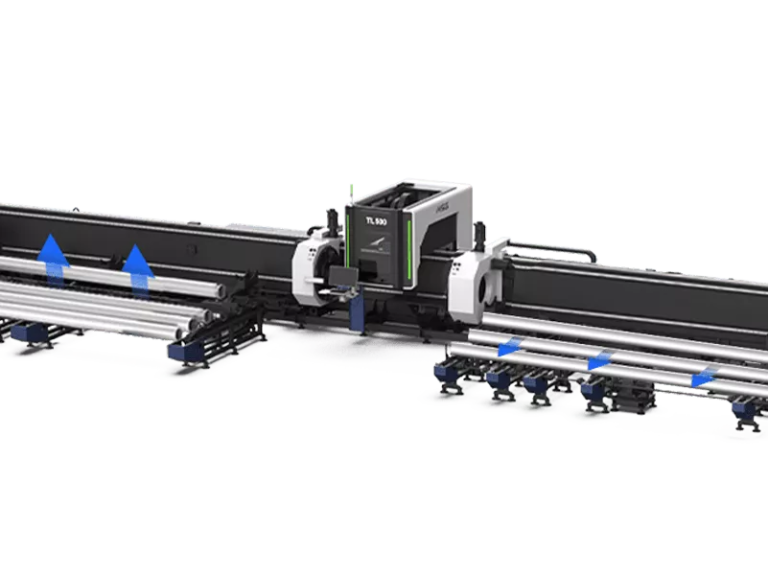
From a machine and logistics perspective, high-strength alloys put extra demands on production tools. Shears, saws, and other cutters must be rated for higher hardness; you might need blades tipped with carbide or even high-speed steel. Invest in modular, adjustable handling systems to move heavier and less flexible parts safely and efficiently. Upgrading to hydraulic or CNC-driven machines can also ensure repeatable accuracy while reducing manual labor.
Selecting Suitable Alloy Grades for Structural Applications
Not all high-strength alloy steels are created equal. Grades such as ASTM A514, A572, or EN 10025-6 S690QL cater to different load, weldability, and toughness needs. Working with your supplier or steel service center to choose the right alloy grade for the application is vital for balancing rigidity, fabricability, and long-term service.
Sales and solution insight: Build relationships with material suppliers who offer technical support and flexible stock options. Negotiate JIT (Just-In-Time) deliveries of cut-to-length or pre-machined stock, which streamlines flow and reduces your own inventory holding costs.
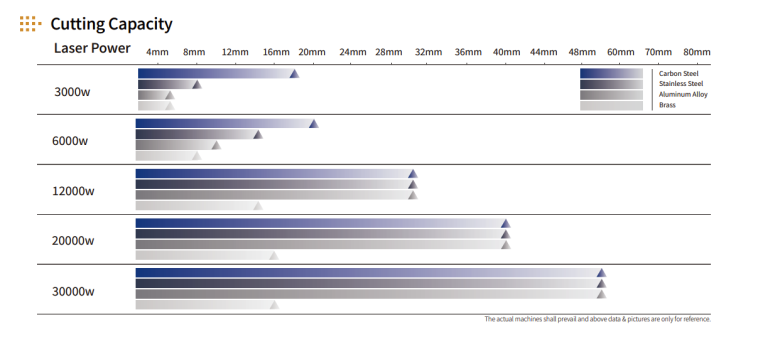
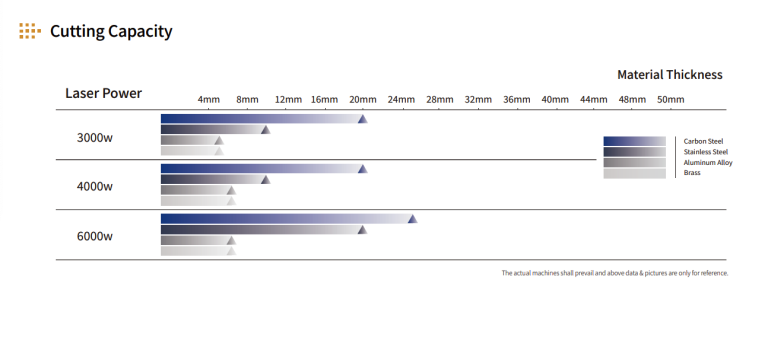
For machine selection, dual-head band saws, press brakes with multi-radius tooling, and precision plasma or laser cutters work well for most high-strength alloys. Keeping your assembly line flexible lets you adjust to different material types with minimal downtime, which improves throughput and reduces handling.
Optimizing Cutting and Forming Processes to Balance Rigidity
Because high-strength alloys are less ductile, they resist forming, punching, and cutting more staunchly than mild steel. This means tool wear is greater and forming tolerances may need to be tighter, but the payoff is a part that performs better under load and lasts longer.
Sales insight: Sell the idea internally and externally that making an upfront investment in robust tooling pays major dividends in reduced scrap and higher-quality assemblies.
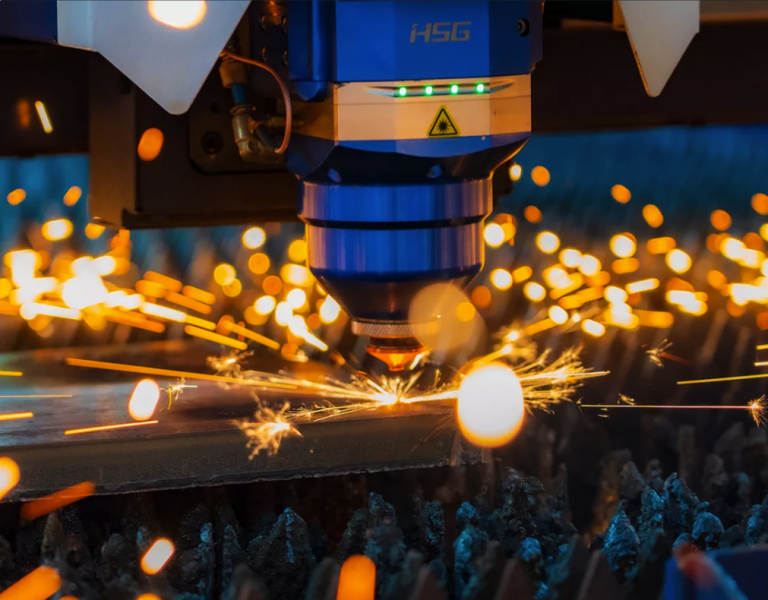
Technical knowledge: Employ machines equipped with precise power controls. CNC laser cutters, for example, minimize heat-affected zones and reduce edge hardness, which makes downstream processes like welding more reliable. For forming, use press brakes with adaptive bending technology, such as CNC-crowning or automatic angle measurement, which compensates for spring-back and ensures uniform bends.
In the assembly workflow, employ carts or conveyors with anti-marring surfaces to protect the alloy steel while minimizing the need for manual lifts. This keeps your process progressive, speeds up changeovers, and addresses the material handling challenges posed by rigid materials.
Implementing Effective Welding and Joining Techniques
Welding high-strength alloy steels requires careful attention to both preheat and interpass temperatures, as well as the selection of low-hydrogen electrodes to reduce the risk of cracking. The enhanced rigidity of these steels means that distortion can become a problem if assembly fixtures are not robust enough or if joint sequencing isn’t optimized.
Sales-driven perspective: Offering advanced welding procedures as a value-added service can differentiate your shop and help win more demanding contracts.
Choose machines with sophisticated heat input controls, such as inverter-based MIG/MAG welders or pulsed TIG welders. Automated welding systems, like robotic arms or track-mounted welding carriages, reduce variability and allow you to meet higher inspection standards.
For logistics, dedicate separate layouts for pre-welding prep, main assembly, and post-weld inspection. This staged approach creates efficiencies in workflow and reduces material handling time, especially when dealing with heavier, more rigid sections.
Addressing Common Challenges in Rigidity Management
The very rigidity that makes high-strength alloy steel attractive structurally can create shop-floor headaches: increased tool wear, higher risk of cracking, and greater difficulty achieving tight tolerances.
Sales insight: Show clients your capabilities with high-rigidity materials through case studies and test assemblies, illuminating challenges and your methods to overcome them.
Technically, rely on vibration-dampening machine mounts and precision fixturing to eliminate chatter and misalignment during machining. For progressive assembly, modular jigs that can be adjusted for different job sizes help keep material movement to a minimum. Consider investment in power-assisted material handling carts to maneuver heavier, less-flexible pieces safely.
Maximizing Longevity and Performance Through Targeted Maintenance
Any potential cost savings from high-strength alloy steel will disappear without rigorous attention to both equipment and structural maintenance. Regular inspection of tooling for heat checking, wear, and deformation is critical.
Sales and management solution: Setting up a documented maintenance program for both your shop machines and the finished structural assemblies you produce can be a key talking point with quality-focused clients. It also minimizes emergency downtime and helps predict when proactive part replacement is needed.
For your shop, use tool life monitoring systems, implement scheduled regrinding cycles, and track machine calibration dates. For the structures you build, recommend coating systems or corrosion-control programs tailored to alloy steel—think shop-applied primers, post-weld shot blasting, or field-applied sealants.
FAQ
What are the main benefits of using high-strength alloy steel in structural fabrication?
You achieve higher load capacity with less weight, gain design flexibility, and can often reduce material costs over the project lifecycle.
Is it more expensive to fabricate with these alloys?
Material and tooling costs are higher up front, but efficiencies in weight, strength, and reduced secondary operations often balance these out over time.
Does my existing cutting or welding equipment need to be upgraded?
Yes, most machines cutting or welding mild steel may not handle the hardness and toughness of high-strength alloys; upgrading to more robust or CNC-guided systems is often necessary.
How do I handle increased tool wear?
Invest in high-quality, wear-resistant tooling and implement regular maintenance programs to extend tool life.
How can I reduce the risk of cracks during welding?
Use low-hydrogen electrodes, control heat input closely, and follow precise preheat/interpass temperature protocols.
Are these steels more difficult to move and assemble in the shop?
Their rigidity and higher weight can make them harder to handle, so using automated or power-assisted handling systems is advised.
Can alloy steel structures be easily maintained in the field?
Yes, but specify compatible coatings and inspect regularly to prevent corrosion or fatigue over time.
Helpful Info
Integrating high-strength alloy steel into your structural projects is a smart move that positions your operation at the front of modern fabrication. The upfront investment in tooling, workflow adaptability, and targeted maintenance creates a shop that is not only competitive but also trusted for quality and innovation. Stay connected with suppliers, keep your people trained on new processes, and always look for ways to tweak machine and material handling for less downtime and maximum output. For more technical references or tailored recommendations, consult your machine suppliers, steel reps, or professional fabrication associations—a little research now sets you up for years of success.
High-strength alloy steel is a game-changer in structural fabrication, offering superior strength and durability while presenting unique challenges in terms of rigidity. Successfully integrating this advanced material into your production processes requires skilled teams, a focus on safety, and strategic management of resources. By mastering the properties and handling techniques of high-strength alloys, fabrication shops can enhance their performance, deliver top-quality structures on time, and maintain budgetary constraints. This guide provides practical tips to effectively manage the rigidity of these materials, ensuring that your shop remains a leader in both innovation and efficiency.
Maintenance Tips
- Regularly inspect welding equipment and tools for wear and tear to ensure precision when working with high-strength alloy steel.
- Maintain a clean work environment to prevent contamination that can affect the quality of the alloy steel.
- Ensure that cutting and shaping tools are properly sharpened to handle the increased hardness of these materials.
Typical Cost Ranges
The cost of high-strength alloy steel can vary widely depending on its specific composition and the volume purchased. Generally, you can expect to pay anywhere from $1.50 to $5.00 per pound, with prices fluctuating based on market demand and alloy properties.
Performance Specs
- Yield Strength: Typically ranges from 50,000 to 100,000 psi
- Tensile Strength: Often between 70,000 and 120,000 psi
- Elongation: Approximately 10% to 20% depending on the alloy type
Buying Advice
When purchasing high-strength alloy steel, it’s important to consider the specific requirements of your project. Evaluate the necessary yield and tensile strengths, as well as the desired level of ductility. Work closely with suppliers to ensure you receive material certifications and that the alloy meets industry standards. Additionally, factor in lead times for delivery to ensure your project stays on schedule.
FAQs
What makes high-strength alloy steel different from regular steel?
High-strength alloy steel contains various alloying elements, such as chromium, nickel, and molybdenum, which enhance its mechanical properties, providing greater strength and resistance to wear and corrosion compared to regular carbon steel.
How can I manage the rigidity of high-strength alloy steel during fabrication?
Utilize preheating and controlled cooling processes to reduce stress and brittleness. Employ precision machining techniques to achieve desired shapes without compromising structural integrity.
Are there specific welding techniques recommended for high-strength alloy steel?
Yes, low-heat input techniques such as MIG or TIG welding are recommended to prevent cracking. It’s also important to use matching filler materials to maintain strength and ductility.
Can high-strength alloy steel be used in corrosive environments?
Yes, many high-strength alloys are designed to withstand corrosive environments, but it’s crucial to select alloys with the appropriate corrosion resistance for your specific application.
What industries commonly use high-strength alloy steel?
Industries such as aerospace, automotive, construction, and shipbuilding frequently utilize high-strength alloy steel for its superior performance and durability.
How does high-strength alloy steel impact production costs?
While the initial material cost may be higher, the enhanced performance and longevity of high-strength alloy steel can lead to reduced maintenance and replacement costs over time.
Enhancing Structural Fabrication with High-Strength Alloy Steel: Practical Tips for Managing Rigidity