Selecting Metals for Fabrication Projects: Evaluating Strength, Corrosion Resistance, and Weight
In the world of metal fabrication, choosing the right material is more than ticking boxes. It’s about work ethic—knowing your job, respecting the craft, and delivering results that last. Every project brings unique challenges, whether it’s a tight timeline, budget constraints, or demanding performance specs. As a shop or production manager, your role bridges technical know-how with day-to-day realities on the floor. Let’s dig into practical ways to select the best metal for fabrication projects, focusing on strength, corrosion resistance, and weight, while leveraging sales solutions and streamlining production.
Assessing Project Requirements and Performance Demands
Every fabrication project starts with a critical look at what’s actually needed. Are you constructing structural supports for a building, crafting outdoor fixtures, or fabricating enclosures for electrical systems? The specifics—load requirements, exposure to elements, duty cycles—define your metal choices.
Saleswise, it’s important to ask the right questions early. Don’t just spec out materials based on previous jobs; review drawings, talk to the customer about end-use, and consider whether premium materials offer a lower long-term cost. For example, stainless steel’s higher upfront price can be offset by zero maintenance in corrosive environments.
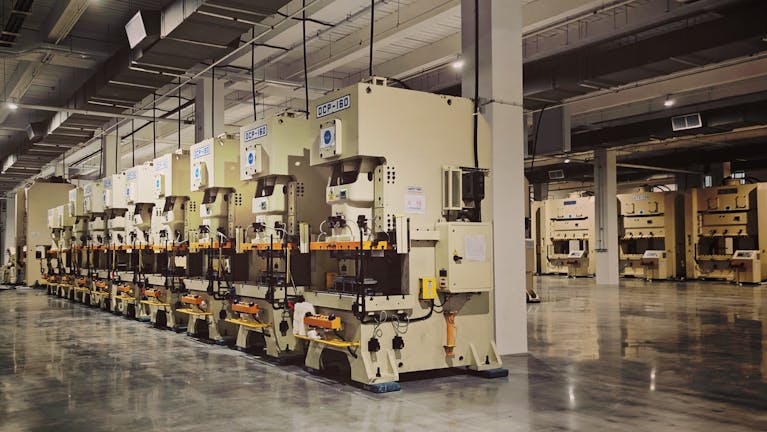
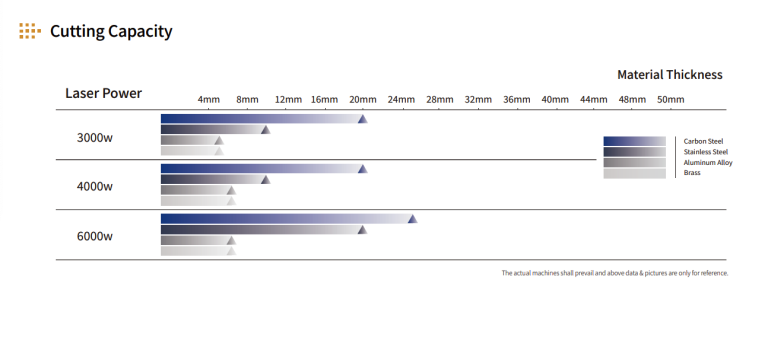
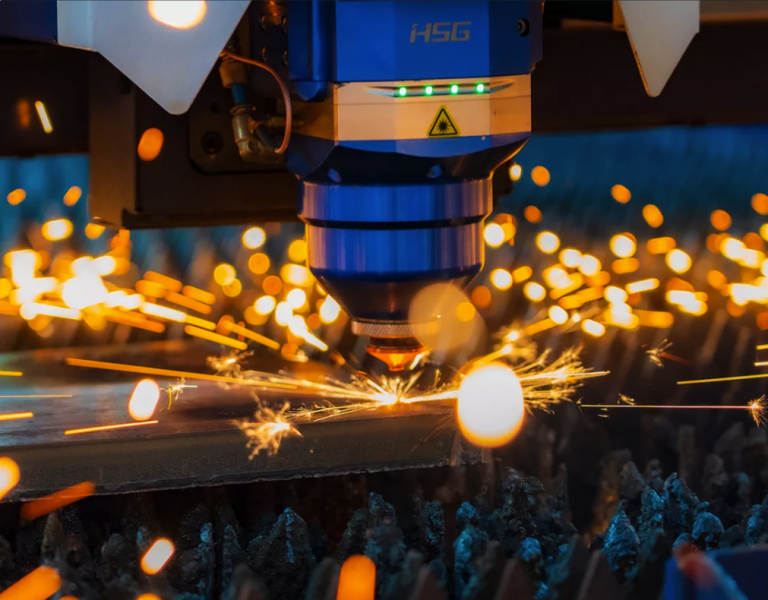
From a machine perspective, know what your shop is set up for. Do you need to cut a lot of thick plate (choose a plasma or waterjet for flexibility), or will you be doing intricate work better suited to a laser cutter? Pay attention to shop layout and keep machines close to the next stage in the process—welders near the brake press or CNC, for instance—to cut material handling time.
Logistically, match delivery schedules to your most time-sensitive processes. Efficient assembly planning ensures that as soon as metal comes off the brake or is cut, it flows seamlessly to the next step, minimizing bottlenecks.
Comparing Mechanical Strength Across Common Fabrication Metals
Metals perform differently under stress. Steel, especially mild steel, is a workhorse for its cost and strength; structural sections are everywhere from frames to brackets. For projects needing something lighter without giving up too much strength, aluminum alloys are often preferred. Stainless steel stands apart for both strength and corrosion resistance, but comes with more challenging fabrication requirements.
When selling a project, explain the real-world benefits: “Our use of high-strength steel reduces thickness and weight, saving costs on transportation and installation.” On the machine side, high-strength steels may require upgraded tooling or slower feeds, so budget for tool changes or maintenance.
Upgrading to newer presses and CNC machines with higher tonnage or better precision pays off when working with tougher alloys. Automatic feed systems can keep production moving, and investing in modern cutting tools reduces downtime and maintains tolerances.
Organize your workflow so the strongest but hardest-to-fabricate parts are prepped first, allowing welding and assembly teams time to work special fits without slowing the rest of production.
Evaluating Corrosion Resistance for Environmental Longevity
Metal exposed to moisture, chemicals, or salt needs to resist corrosion. Stainless steel and aluminum excel outdoors or in food processing, while galvanized or powder-coated steels work for budget-friendly indoor use. Focus sales conversations on lifetime value: “Rustproof materials may mean no repainting or touch-ups for 10 years or more.”
Machine-wise, nonferrous metals like aluminum cut faster but demand chip management and special blades. Stainless requires lower feeds, coolant, and more powerful presses. Schedule cleaning and de-slagging regularly to get consistent welds, especially when switching between metals.
Efficient handling of corrosion-resistant metals includes batch processing—grouping similar materials and operations to minimize cross-contamination and cleaning time. Use roller conveyors and carts near laser tables and weld stations so freshly cut parts move directly to assembly.
For outdoor assemblies, pre-assemble as many components in-shop as possible, minimizing field joints where corrosion can start. Consider modular designs for easier transport and finishing.
Balancing Weight and Structural Integrity in Material Selection
Reducing weight can be a value proposition: less handling on the floor, decreased shipping charges, and easier field installation. Aluminum’s low density makes it ideal for transport frames, ladders, or any portable structure. Using high-strength, thinner-gauge steel achieves similar savings for less cost.
In sales, communicate how lighter assemblies lower lifecycle costs—“Our aluminum design can be installed manually with one crew instead of two, saving time and money on your project.”
Machinery for lighter metals may require less tonnage but more precision. Automated CNC punch and brake presses excel here, and vacuum lifters or magnetic lifts reduce strain and speed up material movement. Consider continuous flow lines for subassemblies so lightweight parts progress quickly from cutting to welding to final inspection.
Optimized storage and layout ensure light-gauge materials are near their respective workstations; this reduces unnecessary movement and keeps the shop floor clear for larger projects.
Matching Metal Properties to Application-specific Needs
Every application demands a careful match—form, function, and future maintenance. Evaluate the environment, expected loads, joining techniques, budget, and finish requirements. If sanitation is crucial, stainless with a polished finish is necessary. For lightweight machine guards, anodized aluminum can replace painted steel. High-strength low-alloy steels might be best for load-bearing, cost-conscious frames.
From a sales perspective, highlight unique solutions that add value and minimize rework: “Our knowledge of alloy selection allows us to deliver more durable, safer, and low-maintenance installations.”
Choose machines that enhance flexibility. A programmable CNC press can switch between jobs rapidly. Multi-function welding robots reduce operator fatigue and improve consistency, while in-line deburring or finishing machines cut post-processing time. Keep lean assembly practices front-and-center—assemble subcomponents close to their machines, use color-coded carts, and label work-in-progress for less confusion at shift handover.
Work with your material suppliers for just-in-time delivery so you’re never overstocked or forced to substitute, and always update your inventory based on real consumption, not just estimates.
Frequently Asked Questions
What’s the main advantage of choosing more corrosion-resistant metals?
Longer lifespan and lower maintenance costs, especially in harsh environments or outdoor projects.
How can the right material choice reduce fabrication costs?
Better-matched metals minimize machining and finishing steps, lower labor, and reduce material waste.
Do lightweight metals always save money?
Not always. Lighter metals like aluminum cost more per pound but may save on handling, shipping, and installation.
What machines are essential for working with stainless or high-strength steel?
Upgraded CNC press brakes, sharp tooling, powerful welding equipment, and coolant systems are critical for tough metals.
How can I streamline shop layout for efficient material handling?
Place machines in order of operation, keep storage nearby, use carts or roller systems, and plan assembly to reduce double-handling.
Should I always pick the ‘strongest’ metal available?
Not necessarily. The right metal balances strength, corrosion, weight, and cost for your specific application.
Staying competitive in today’s fabrication market depends on smart, informed metal selection and efficient production practices. By aligning material choice with machine capabilities, thoughtful shop layout, and sales-savvy solutions, your projects will deliver not just on specs but on long-term performance and customer satisfaction. For every unique job, there’s a best fit—matching both the metal and the process to your goals brings out the best in your team and your results. If you want to sharpen your selection process or upgrade your machines, talk to your suppliers and keep learning about new materials and equipment—continuous improvement sets top shops apart.
Selecting Metals for Fabrication Projects: Evaluating Strength, Corrosion Resistance, and Weight